


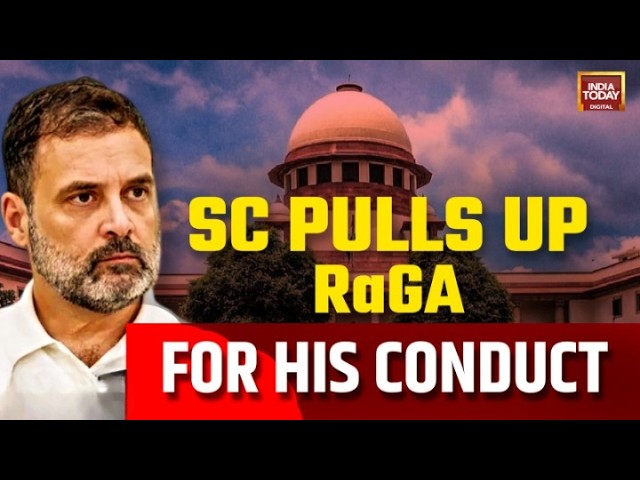
The Supreme Court of India has commenced hearing a batch of 46 petitions concerning detentions, police action, and curbs on metro and road transport in the national capital following recent demonstrations. During the proceedings, the Solicitor General defended government decisions by submitting affidavits to show that all actions taken were necessary to maintain law and order. Affidavits were also filed by the Union Home Secretary, the Delhi Police Commissioner, and the chairpersons of Railways and the Delhi Metro Rail Corporation to address contempt notices and clarify positions regarding transport restrictions and past protest violations at Jantar Mantar. The bench noted that previous explanations offered amounted to qualified apologies rather than unqualified ones. Furthermore, the court sought clarification regarding opposition conduct and demonstrations near the apex court grounds. The bench indicated that petitions dealing with detentions and transport shutdowns are being handled separately from matters concerning the Election Commission and special intensive revision processes.
The Supreme Court raised significant concerns regarding Rahul Gandhi and the INDIA bloc's protest march on October 12. The bench questioned the behavior of participants and the disruption caused when demonstrators moved toward the court premises, emphasizing that crowds entered the complex even though the Chief Justice of India had earlier declined a requested meeting. Delhi Police registered an FIR at the Tilak Marg police station regarding the incident, and the top court stressed that the actions surrounding the protest require a formal explanation. Alongside these observations, the court decided to separate electoral roll revision matters from the broader protest challenges, issuing notices on the electoral petitions to be heard first while deferring immediate consideration of the protest pleas.
Several petitions focusing on the special intensive revision exercise and the Election Commission of India have come before the Supreme Court. Political parties are pressing for transparency, asking for the official release of meeting minutes that detail objections raised by election commissioners during discussions on the exercise. Additional petitions request the removal of the chief election commissioner and an audit of digital portals under the supervision of a retired supreme court judge. Other issues brought before the bench included allegations of excessive police force, the detention of journalists by Delhi Police, and the removal of Jantar Mantar as a designated protest site.
In a separate development connected to the unrest, actor Imran Khan received a notice directing him to depart from India by October 28 following his involvement in Mumbai demonstrations against Chief Election Commissioner Gyanesh Kumar and the special summary revision exercise. The notice stemmed from a complaint filed by a political leader alleging conspiracy and foreign funding. Although Khan holds an Overseas Citizen of India card and is an American citizen by birth, authorities pointed out that foreign nationals are prohibited from taking part in unauthorized local protests. The Foreigners Regional Registration Office issued the directive under immigration regulations, leaving the actor the option to pursue legal recourse before the departure deadline.