


The government questioned how journalists could be distinguished from social media content creators covering protests, with Solicitor General Tushar Mehta telling the Supreme Court that in the modern technological era, anyone with a mobile device can act as a journalist.
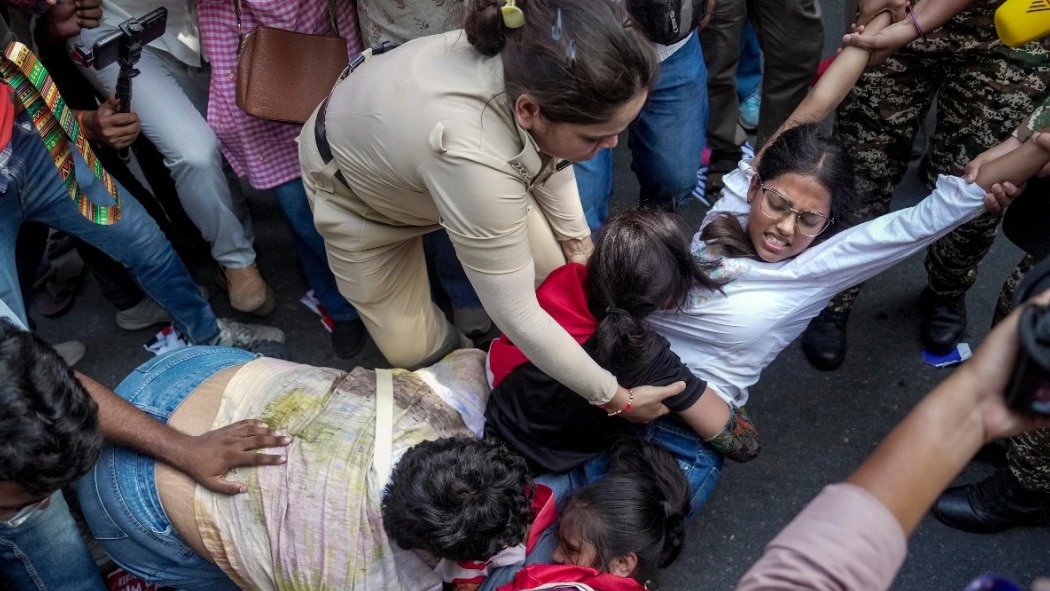
Mehta's remarks came during a hearing regarding a petition filed by senior advocate Indira Jaising, which requested safeguards for women journalists who reportedly faced assault and sexual harassment by Delhi Police personnel while covering demonstrations against Chief Election Commissioner Gyanesh Kumar and the Election Commission's Special Intensive Revision of electoral rolls in Delhi.
Mehta stated that multiple individuals carry microphones, record footage, and upload it as online reels, making it difficult to differentiate between reel-makers and independent journalists. However, he emphasized that there should be complete agreement on the principle that no woman, including female law enforcement officers, should experience mistreatment or indecency.
The Supreme Court indicated it would contemplate establishing a committee to look into the claims of assault and harassment involving women journalists during the protests. Chief Justice of India Surya Kant noted the gravity of the accusations and proposed that the panel consist primarily of former female judges and retired Indian Police Service officers.
The bench also evaluated whether an independent agency should handle investigations into specific claims against law enforcement personnel. Jaising offered to present two confidential reports, one listing the names of the affected women journalists and another suggesting retired women judges and police officials for the committee, stressing the need for sensitivity and protections for women working in protest zones.
The bench addressed the complexities of distinguishing between accredited journalists, independent reporters, and social media influencers, with the Chief Justice observing that exercising freedom of expression complicates the identification and protection of various media roles.
The claims stem from demonstrations on October 3, October 10, and October 11 related to opposition against the election body's electoral roll revision process in Delhi.
Regarding a separate legal development, Jaising requested protection for a female journalist who faced an FIR filed by Assistant Commissioner of Police Vivek Bhagat under the Scheduled Castes and Scheduled Tribes (Prevention of Atrocities) Act. The reporter had previously accused Bhagat of sexual harassment and improper physical contact during an October 3 demonstration, while Bhagat responded with a counter-complaint alleging caste-based slurs and humiliation.
Chief Justice Kant instructed Delhi Police to refrain from arresting the woman journalist, and Solicitor General Mehta assured the court that she would not face arrest provided she cooperates with the ongoing investigation.