


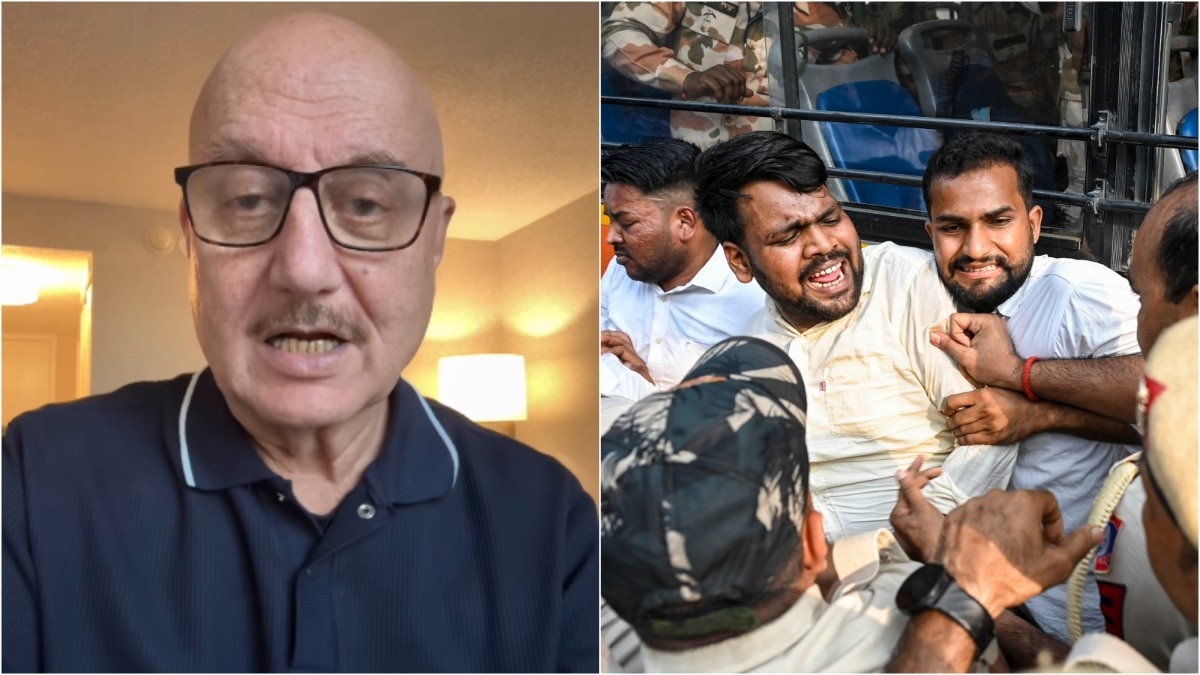
Veteran actor Anupam Kher has defended the right to dissent while speaking out against abusive language, violence, and vandalism during recent protests in India. In a video shared from abroad where he was concluding a theatrical tour across the United States and Canada, the 71-year-old actor stated that people were entirely free to question the government and criticise Prime Minister Narendra Modi, but insisted that political disagreement must remain peaceful and civil.
Kher said that while questioning authority and expressing opposition to government decisions are essential components of a healthy democracy, recent demonstrations had left him both saddened and angry. He questioned the necessity of resorting to personal abuse against the Prime Minister, derogatory remarks regarding his mother, or insults directed at police personnel, particularly female officers. The actor also took specific issue with critics mocking Modi's humble background by using the term chaiwala, emphasizing that earning an honest living through hard work is a matter of honor and that individuals from modest origins have every right to dream big.
Addressing allegations surrounding the elections and criticisms directed at Chief Election Commissioner Gyanesh Kumar and the Election Commission, Kher advised that those raising concerns should present concrete evidence, demand answers, and pursue proper legal and constitutional remedies. He added that political opponents aiming to change the government should focus on contesting elections, winning public trust, and offering viable policy alternatives rather than engaging in disruptive behavior.
Anticipating potential criticism and labels from detractors for speaking out, Kher recalled advice from his grandfather about facing hardship and stated that he could not hide his opinions simply to please everyone. He urged fellow supporters of the Prime Minister, along with businesspeople, artists, and the Indian diaspora, to express their viewpoints confidently and peacefully, stressing that India's unity and integrity must be protected through democratic means.