


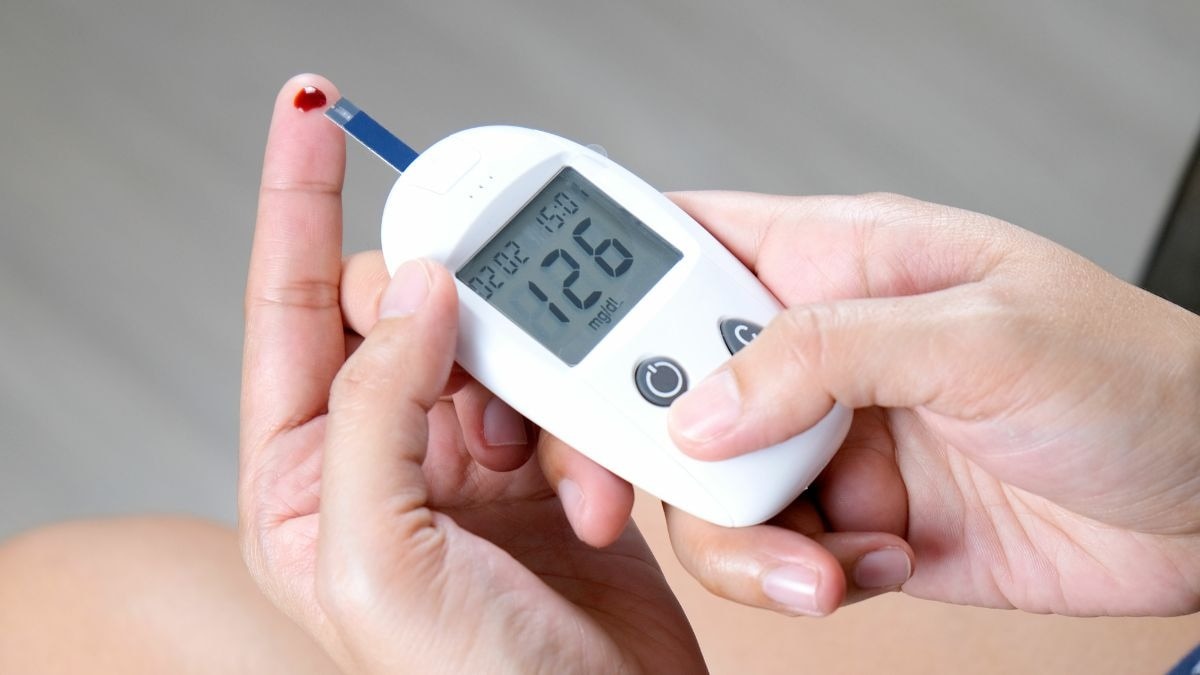
Medical professionals are shedding light on a complex clinical scenario known as double diabetes, which occurs when a person diagnosed with type 1 diabetes also develops insulin resistance, a trait more commonly associated with type 2 diabetes. While diabetes is traditionally categorized into distinct types based on insulin production and usage, the reality for some patients is more nuanced. Type 1 diabetes is an autoimmune condition where the immune system destroys insulin-producing cells in the pancreas, necessitating lifelong insulin therapy. Insulin resistance, on the other hand, happens when the body's cells fail to respond effectively to the available hormone. When both issues manifest together, glucose regulation becomes considerably more difficult, and patients often require higher doses of insulin to maintain stable blood sugar levels.
Endocrinology experts emphasize that double diabetes is not an entirely new or separate classification of the disease, but rather a descriptive clinical term. Recognizing this coexistence allows healthcare providers to personalize treatment plans and improve long-term outcomes for patients. The condition forces the body to cope with both a lack of endogenous insulin and reduced cellular responsiveness to the insulin that is administered or produced.
Several risk factors can heighten the likelihood of developing insulin resistance alongside type 1 diabetes. Chief among these is excess body fat, particularly central obesity concentrated around the abdomen, which triggers metabolic changes that reduce insulin sensitivity. A sedentary lifestyle lacking adequate physical activity also contributes to the problem, as regular movement is crucial for helping muscles utilize glucose efficiently. Additionally, genetic predispositions and underlying metabolic disorders can influence a person's susceptibility, though not every type 1 diabetes patient will experience double diabetes.
Patients managing type 1 diabetes are advised to monitor for specific warning signs that might indicate the onset of insulin resistance or other complications. Common indicators include persistently elevated blood sugar levels despite strict adherence to a prescribed insulin regimen, a steady increase in daily insulin requirements, unexplained weakness, chronic fatigue, excessive thirst, frequent urination, and struggles with weight management. Because these symptoms can overlap with other health issues, stress, or dietary shifts, individuals should consult a physician for a proper clinical assessment rather than self-diagnosing.
Management of double diabetes centers on controlling blood glucose while actively addressing insulin resistance and mitigating other metabolic risks. Because every patient profile is unique, medical teams craft personalized care plans. Insulin therapy remains the cornerstone of treatment, with doctors frequently adjusting doses or administration timing based on monitored glucose patterns. Nutrition also plays a vital role, requiring balanced dietary plans that manage carbohydrate intake and match individual energy needs.
Incorporating regular physical activity helps improve overall insulin sensitivity, provided patients coordinate their exercise routines with their healthcare providers to manage safety and dosage adjustments. Furthermore, physicians routinely monitor blood pressure, cholesterol, lipid profiles, and kidney function to catch potential long-term complications early.
Health specialists issue a firm warning that patients must never stop or independently reduce their insulin intake, even if they suspect insulin resistance or notice rising insulin demands. Because type 1 diabetes relies entirely on external insulin, discontinuing treatment can cause dangerously high blood sugar levels and trigger diabetic ketoacidosis, a severe and life-threatening medical emergency.