


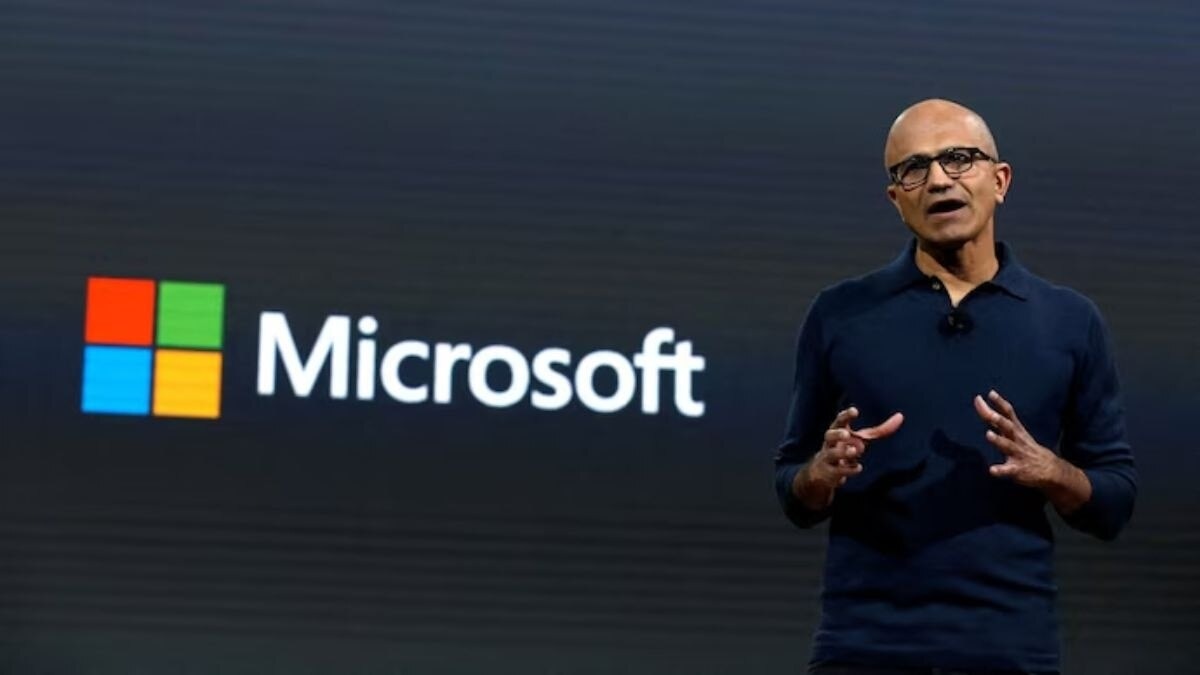
Microsoft CEO Satya Nadella is widely recognized as one of the most successful technology leaders in the world today. However, back in 1992 during his final job interview at the company, he believed he had entirely ruined his chances of being hired due to a simple question about a falling child.
Nadella recently reflected on the memorable story of his final evaluation with Richard Tait, a former Microsoft manager who passed away in 2022. Tait conducted what was known at the company as the as-appropriate interview. Following an exhausting day filled with whiteboard coding, algorithmic exams, and memory management tests, an exhausted Nadella faced one final, unexpected question.
Tait asked him a scenario-based question completely unrelated to software engineering: if he were crossing the street and saw a child fall down, what would he do? Thinking strictly like an engineer under pressure, Nadella worried it might be a trick question or a complex computer science puzzle, searching for a technical angle.
After overthinking the scenario, Nadella ultimately replied that he would call 911. Tait immediately stood up, explained the correct response, and escorted him out of the room. Tait told him that when a child falls, a person should pick them up and hug them, adding that Nadella needed more empathy.
Nadella left the building convinced that his employment prospects at Microsoft had ended. He recalled thinking he had definitely blown the interview and would not receive an offer. Despite failing the impromptu empathy test, Microsoft still hired him.
Tait eventually departed Microsoft to become a venture capitalist and founded the popular board game Cranium, while Nadella steadily advanced through the corporate ranks before becoming CEO in 2014.
Today, empathy stands as a core pillar of Nadella's leadership philosophy. He frequently speaks and writes about how that initial interview question, alongside raising his late son Zain who lived with severe cerebral palsy, taught him that effective leadership demands far more than technical expertise and requires genuine human understanding.