


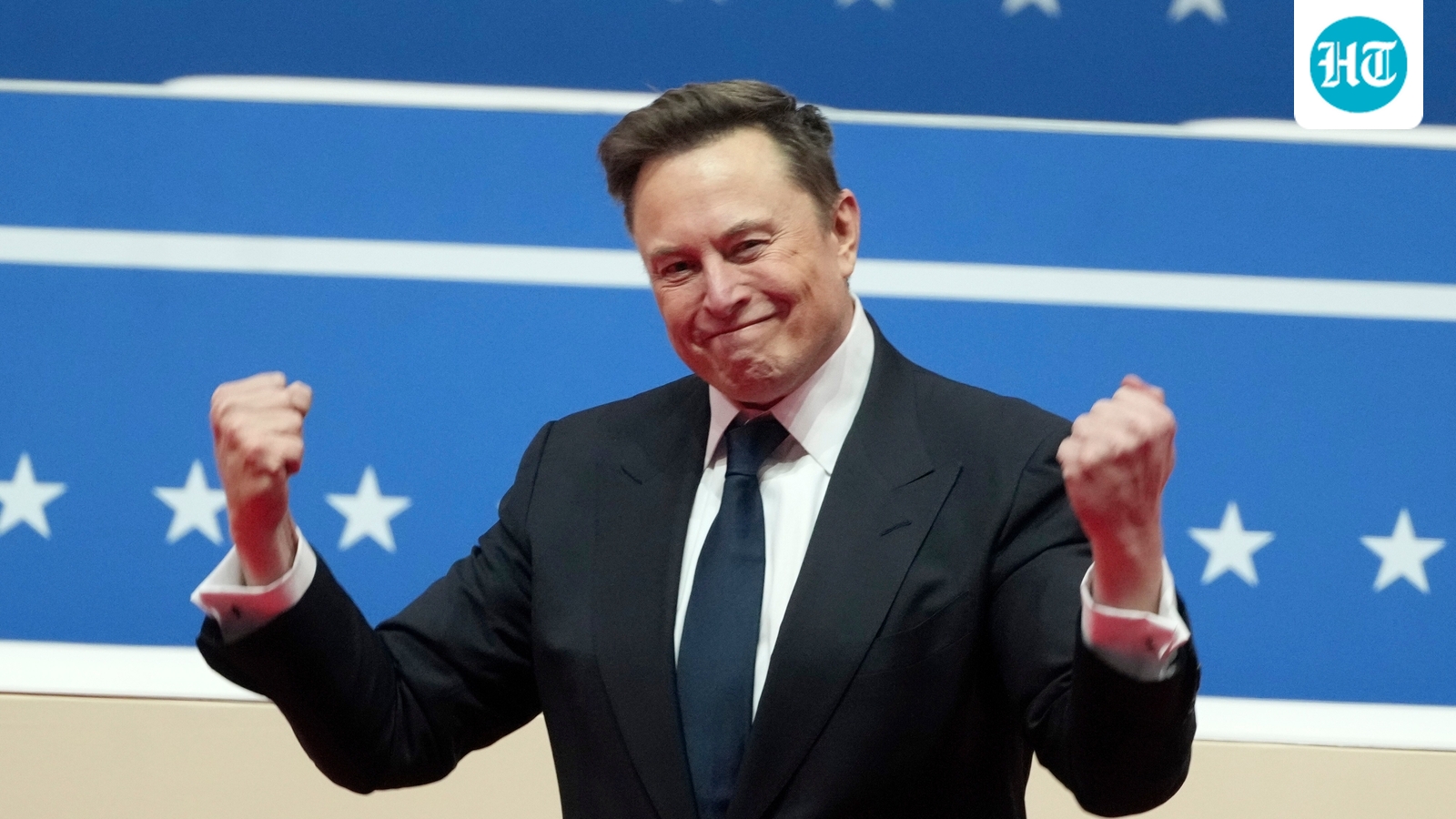
Elon Musk, the world’s richest individual, has frequently expressed skepticism toward traditional philanthropy, aligning himself with critics who dismiss many charitable organizations as counterproductive. In his view, his primary contributions to humanity come through his for-profit endeavors, including electric vehicles at Tesla, space exploration at SpaceX, and public discourse on his social media platform, X.
Yet, despite his stated distaste for conventional do-goodery, Mr. Musk oversees the Musk Foundation, which ranks as America's fifth-largest charitable private foundation. Holding $14.7 billion in assets at last count, the organization is comparable in scale to longstanding philanthropic pillars like the Ford and Rockefeller foundations. Unlike those entities, however, the Musk Foundation maintains a sparse public profile, with a 33-word website and a lean three-person management team consisting of Mr. Musk, family-office head Jared Birchall, and staff member Matilda Simon.
Tax filings covering the period from July 2020 through the end of 2024 offer a rare glimpse into the foundation's financial mechanisms. Experts note that Mr. Musk's giving patterns align with common strategies used to minimize tax liabilities. His largest contributions—totaling roughly $8 billion in Tesla stock—were made in 2021 and 2022, coinciding with years when he realized massive share-related income and significant tax obligations. According to accounting specialists, transferring stock allows founders to bypass capital-gains taxes on low-cost-basis shares while claiming sizeable charitable deductions based on much higher market valuations.
In exchange for these tax advantages, American law mandates that grant-making foundations distribute approximately 5% of their investment assets annually, though organizations are granted a one-year grace period to correct shortfalls. The Musk Foundation has utilized this grace period across each of the four years evaluated in available filings, accumulating a substantial shortfall liability by the end of 2024.
Furthermore, analysis of the foundation's disbursements indicates that a notable share of its allocated funds has been moved into holding accounts. Nearly one-tenth of the $1ributed between 2020 and 2024 went to Fidelity Charitable to fund donor-advised funds, which allow assets to be held indefinitely without stringent public reporting requirements. Observers suggest such transfers function primarily as internal fund shifts rather than immediate community investments.
Of the capital distributed to external causes, the majority has flowed to other entities connected to the entrepreneur. More than 58% was funneled to The Foundation, a separate charity led by Mr. Birchall that shares an address with the Musk Foundation and focuses on STEM education initiatives. Additional distributions appear closely tied to Mr. Musk's business interests, including a substantial donation that helped a fellow billionaire meet fundraising goals for a SpaceX-linked charitable mission, as well as localized grants following rocket debris incidents in southern Texas.
Beyond these connected expenditures, the remaining grants lack a unified philanthropic strategy, spanning a disjointed array of causes from marine conservation to medical research. Analysts note that while Mr. Musk often champions visionary and large-scale concepts in his commercial ventures, his foundation's grant-making lacks a similar grand design, operating instead through a minimal, hands-off approach with negligible staff overhead.