


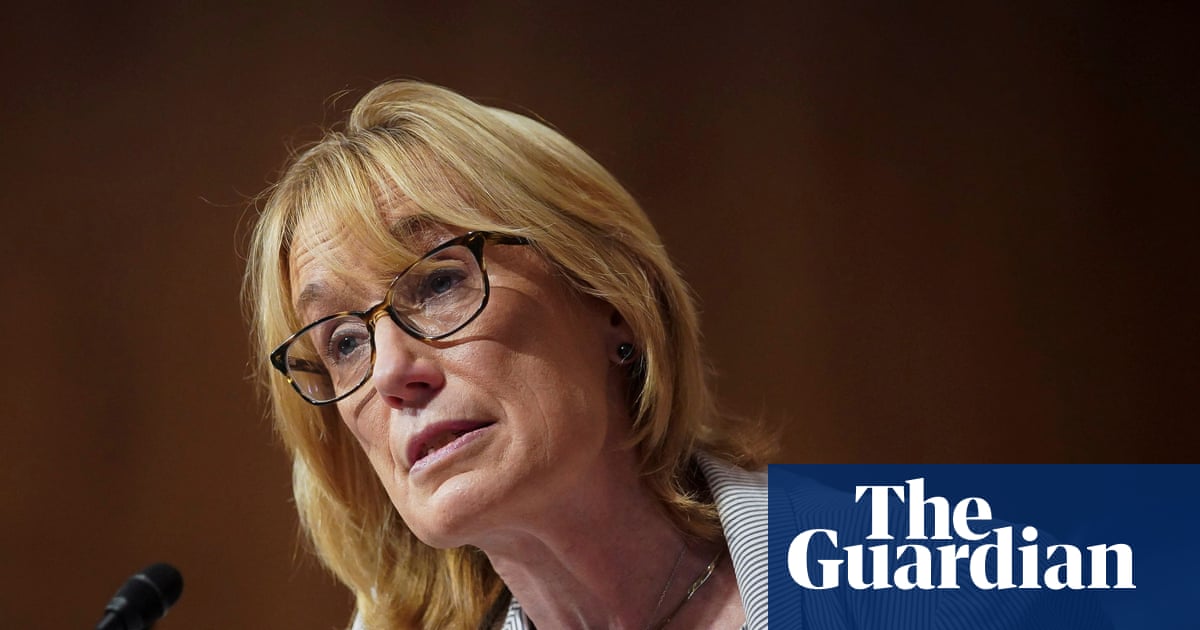
A newly released congressional report has detailed the severe extent of romance scams operating across dating platforms owned by Match Group, highlighting the financial and emotional devastation experienced by victims such as a user who lost nearly $100,000. The investigation, led by Democratic Senator Maggie Hassan of New Hampshire and Republican Senator Marsha Blackburn of Tennessee through a joint economic committee, focuses on major applications including Tinder, Hinge, and Plenty of Fish.
Romance scams have evolved into a leading form of financial fraud in the United States, draining at least $1.3 billion from Americans annually. The bipartisan inquiry involved speaking directly with victims, including a woman identified as Mary who met a man on Plenty of Fish in 2024 while looking for a personal connection. She described a rapid escalation involving constant contact, pressure, and frequent requests for money for work and medical emergencies, ultimately leading her to send roughly $100,000 in cryptocurrency.
Internal documents furnished by Match Group during the investigation indicated that Tinder had failed to update most of its machine learning models for years leading up to the second half of 2025. Consequently, the application struggled to reliably detect bad actors and keep pace with evolving threats. Data revealed that nearly 1.5 million scammers or malicious accounts on Tinder and Hinge had successfully matched with at least one other user through the third quarter of 2025, with nearly 500,000 of those accounts exchanging contact information.
Victims like Mary described the experience as being trapped in a psychological vortex where incremental financial losses accumulated before the full scale of the deception became clear. Even after blocking the initial contact number, she found the fraudster continued to reach out using alternative numbers. Match Group profiles utilizing the same photographs were subsequently discovered by the victim on the platform and reported.
The congressional findings acknowledge that Match Group has introduced and expanded safety measures since the investigation began, such as mandatory video selfie facial verification for new Tinder users across the US and the deployment of new artificial intelligence models to spot fraudulent profiles. However, lawmakers argued that these updates followed an extended period during which scams were allowed to proliferate unchecked.
Responding to the report, Yoel Roth, Match Group’s senior vice-president of trust and safety, expressed appreciation for the committee acknowledging the company's advancements in user protection while maintaining that the report mischaracterised historical investments and the timing of completed work. The company emphasized that safety initiatives like facial verification were already in progress prior to the congressional inquiry.
In tandem with the report's release, Senator Hassan emphasized the destructive nature of these crimes, which exploit individuals seeking genuine connections. Lawmakers continue to press technology companies to maintain updated, proactive defenses against increasingly sophisticated criminal networks utilizing modern technology to supercharge online fraud.