


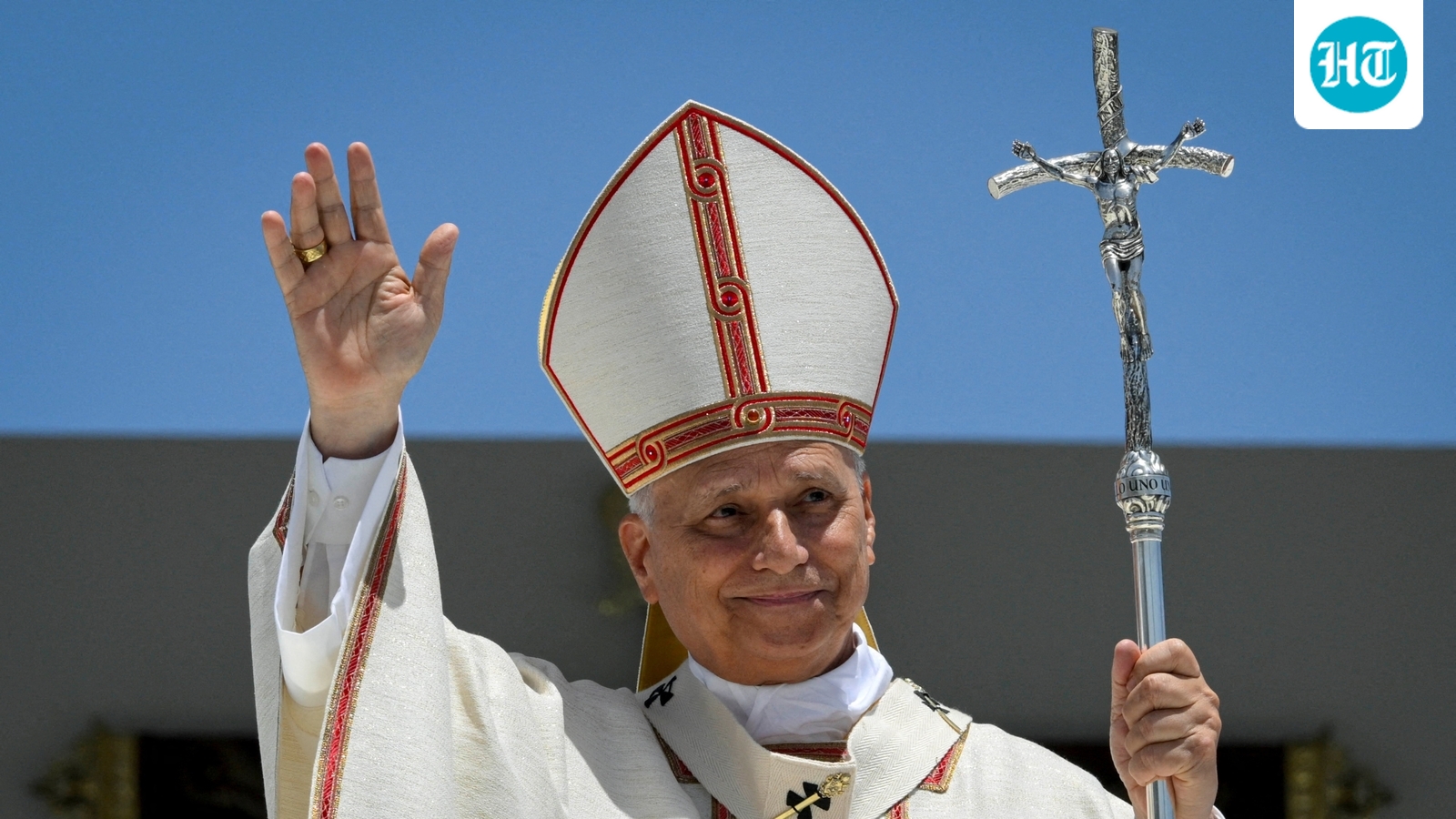
The Vatican has not revealed whether Pope Leo XIV needs further treatment or if the cancer has spread, leaving his individual prognosis currently unclear. The 71-year-old pontiff was diagnosed with lung adenocarcinoma, a prevalent form of lung cancer, and underwent a surgical procedure on Tuesday to remove the lower lobe of his right lung. This operation, known as a lobectomy, involves taking out an entire lung lobe to eliminate cancerous tissue while preserving surrounding healthy function.
Adenocarcinoma is categorized as a non-small cell lung cancer that originates in glandular cells responsible for producing substances like mucus. In the pulmonary system, it typically forms in the cells that line the smaller airways and air sacs. While smoking remains a major risk factor, adenocarcinoma is also the most frequently diagnosed variety of lung cancer among individuals who have never smoked. Pope Leo is not known to have a history of smoking.
In its early stages, lung cancer frequently presents no noticeable symptoms and is often discovered incidentally during medical scans for entirely unrelated conditions. As the disease advances, warning signs can include a persistent cough, breathlessness, wheezing, coughing up blood, discomfort in the chest, shoulders, or back, unexplained weight loss, and persistent fatigue. The Vatican reported that the tumor was detected during a routine health evaluation, and the Pope mentioned that the growth was spotted early and appeared well-contained.
For patients whose disease remains confined entirely to the lung, surgical intervention offers the strongest potential for a cure. Depending on the specific stage of the illness, other potential treatments can involve chemotherapy, radiotherapy, targeted therapy, or immunotherapy. Medical experts emphasize that patient prognosis relies heavily on the cancer stage and whether it has migrated beyond the initial site, though the Vatican has not yet specified the tumor's size or lymph node involvement.