


New Delhi: Ongoing protests in central Delhi regarding the removal of the Chief Election Commissioner have escalated following aggressive police interventions and thousands of detentions since October 10. The first day of demonstrations alone saw nearly 7,000 people taken into custody, touching off a fierce political debate concerning the proportionality of the police response and the conduct of security personnel. Opposition figures and members of the National Students' Union of India have detailed numerous accounts of physical assaults and manhandling during the rallies and subsequent custody, though Delhi Police have denied these allegations.
Leadership within the Congress party has drawn attention to injuries sustained by student cadres, noting that while opposition parties are consolidating their stance on the issue, mass street agitations are being temporarily paused for the festive season. At the same time, political resistance is shifting to alternative arenas, including legal challenges in court, efforts to regain access to designated protest zones like Jantar Mantar, and the circulation of a draft impeachment motion intended for introduction in the upcoming parliamentary session.
Young demonstrators who were taken into custody during the central Delhi protests have come forward with severe accusations of arbitrary detention, harassment, and police violence inside makeshift holding areas. Speaking about his experience, a protester named Arjun stated he was picked up near Connaught Place alongside journalists, lawyers, and minors, adding that mobile phones were confiscated and detainees were physically assaulted inside law enforcement vehicles before being transferred to Pandwala Khurd. Another student in custody alleged brutal beatings and the filing of fabricated FIRs following detention at the Parliament Street police station. Protesters underscored that minors and injured youths were subjected to harsh handling without immediate access to medical attention.
During a press conference hosted by the National Youth Congress, activists highlighted instances of alleged police brutality stemming from a peaceful demonstration at Connaught Place. A content creator identified as Amit claimed that peaceful participants were detained while authorities seized or wiped their mobile devices. Female activists affiliated with the National Students' Union of India described severe physical abuse during detention, accusing law enforcement personnel of dragging, scratching, kicking, and striking them inside transport buses and the Connaught Place station. One Delhi University activist from Kerala, Adira, stated she suffered significant injuries after being beaten in an unmonitored basement area, alleging direct assaults to her face, ears, and body.
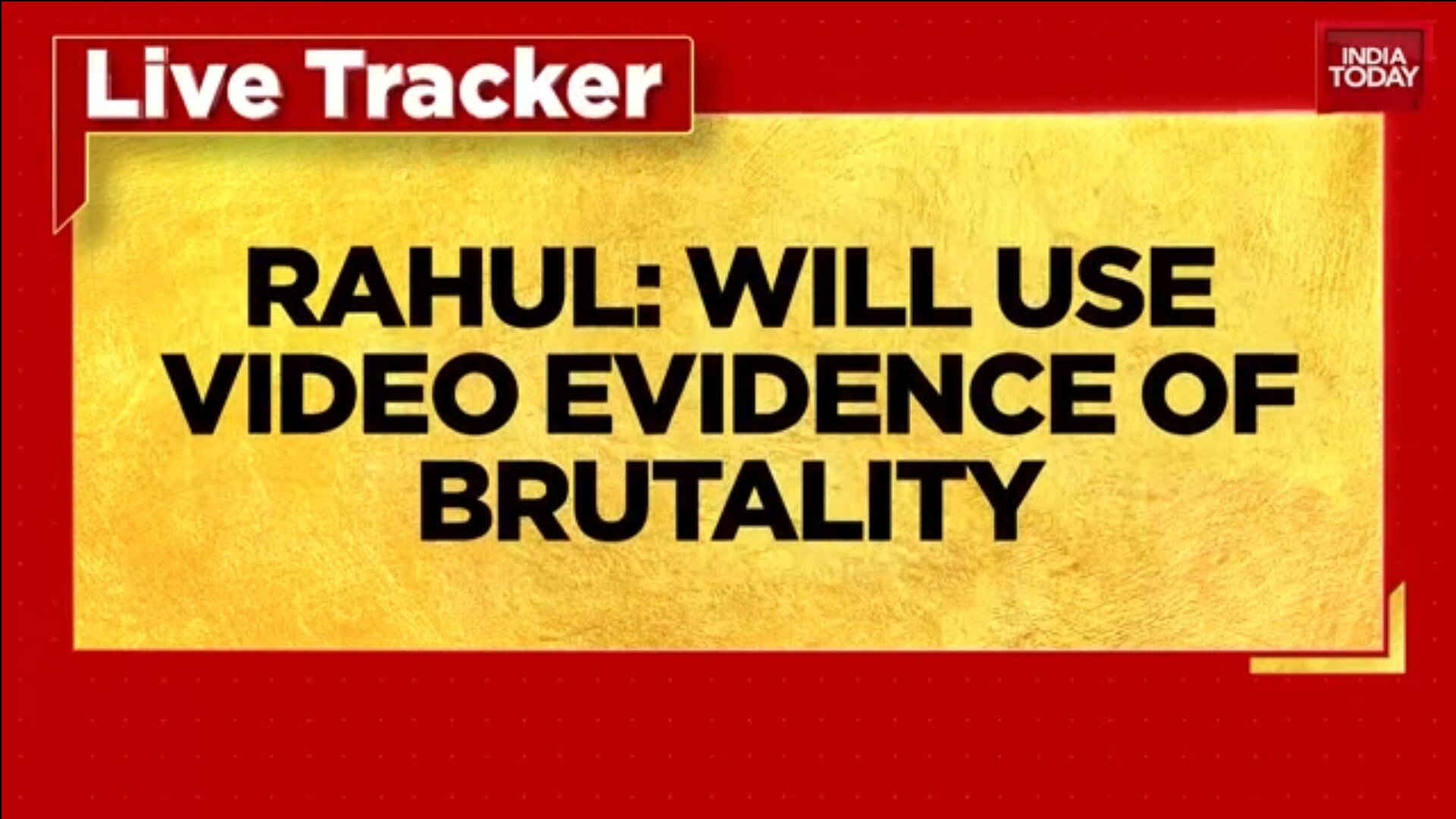
Addressing the assembled crowds, Congress leader Rahul Gandhi voiced his support for the young demonstrators, describing the movement as a reflection of India's collective voice cutting across various communities. He urged students to safely record and store video footage of law enforcement actions, vowing that accountability will be pursued for officials involved in suppressing democratic protests.