


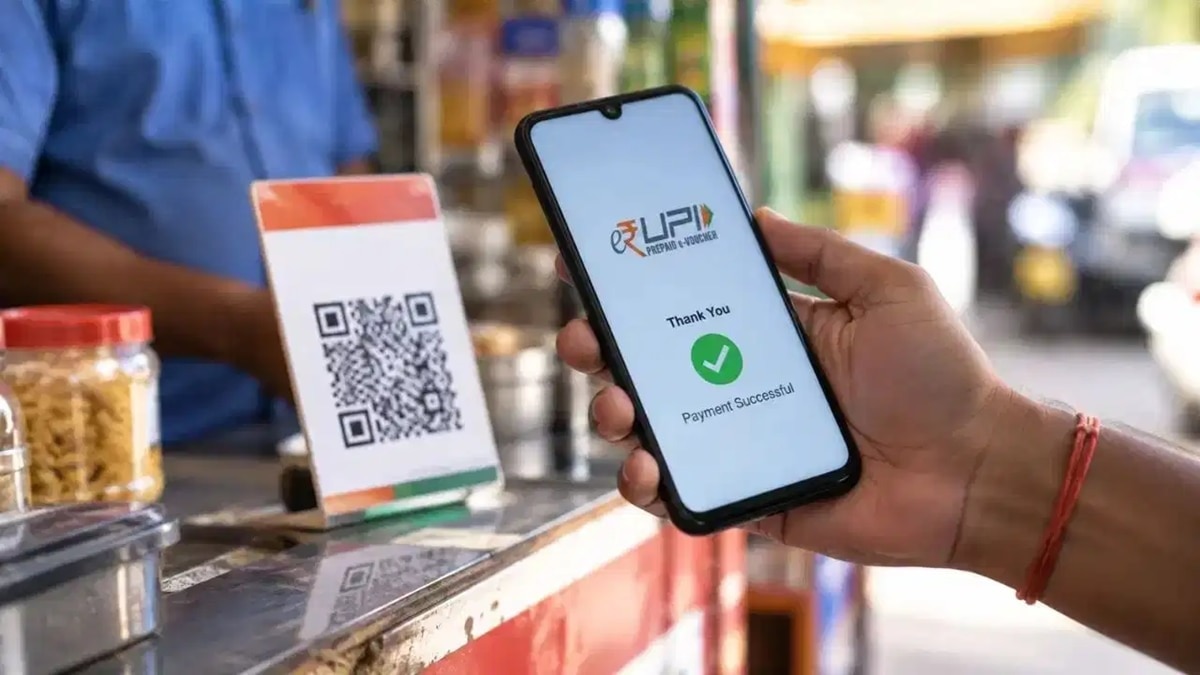
The rollout of Merchant Discount Rate charges on select Unified Payments Interface transactions has been postponed until after the Diwali festival following appeals from commercial traders. Initially slated to begin on October 15, the new fees are now anticipated to take effect during the second week of November, although the National Payments Corporation of India has yet to specify an exact calendar date. The upcoming regulations will apply fees to specific high-value merchant payments, while ordinary daily transactions will remain free for the general public.
The rescheduling decision was finalized on October 13 by the UPI and Services Steering Committee because the original implementation timeline coincided with peak festive shopping activity. This postponement grants banks, fintech firms, payment aggregators, and merchants additional time to adapt their systems and absorb upcoming costs without disrupting festive commerce.
Under the regulatory framework approved in September, an MDR rate of 0.4 percent will be levied on eligible person-to-merchant payments exceeding Rs 2,000. For instance, a qualifying transaction of Rs 3,000 will incur a Rs 12 charge, a Rs 10,000 payment will cost Rs 40, and a Rs 50,000 transaction will attract a fee of Rs 200, with an overall cap of Rs 300 for amounts reaching Rs 75,000 or higher.
Certain specific sectors will operate under distinct fee schedules. Transactions involving railways, telecom, insurance, fuel, and select other categories will carry a flat Rs 5 fee for eligible payments above Rs 2,000, whereas capital market transactions will face an MDR of 0.02 percent, capped at Rs 300.
Consumers utilizing UPI will not bear any of these MDR charges, as the fees are designed exclusively for merchants, who are prohibited from shifting the cost onto buyers. Furthermore, peer-to-peer transfers, self-transfers, and automated recurring UPI payments will continue to incur no charges.
Transactions of Rs 2,000 or less will maintain a zero-MDR status, representing over 95 percent of all person-to-merchant UPI exchanges. Small-scale merchants whose monthly receipts under the specific merchant category remain under Rs 1 lakh will also be exempt from MDR fees and will not be required to swap their current QR code displays.
Authorities note that while UPI has evolved into a premier digital payment ecosystem, maintaining its underlying framework involves substantial operational expenses. Finance Ministry projections estimate the yearly operating cost of UPI at roughly Rs 20,000 crore, indicating that initial government subsidies were designed as temporary support rather than indefinite funding. The incoming MDR structure aims to help sustain payment infrastructure, cybersecurity measures, fraud mitigation, customer service, and innovation, alongside establishing a dedicated fund to expand digital payment networks into smaller towns, rural regions, and specific northern territories.