


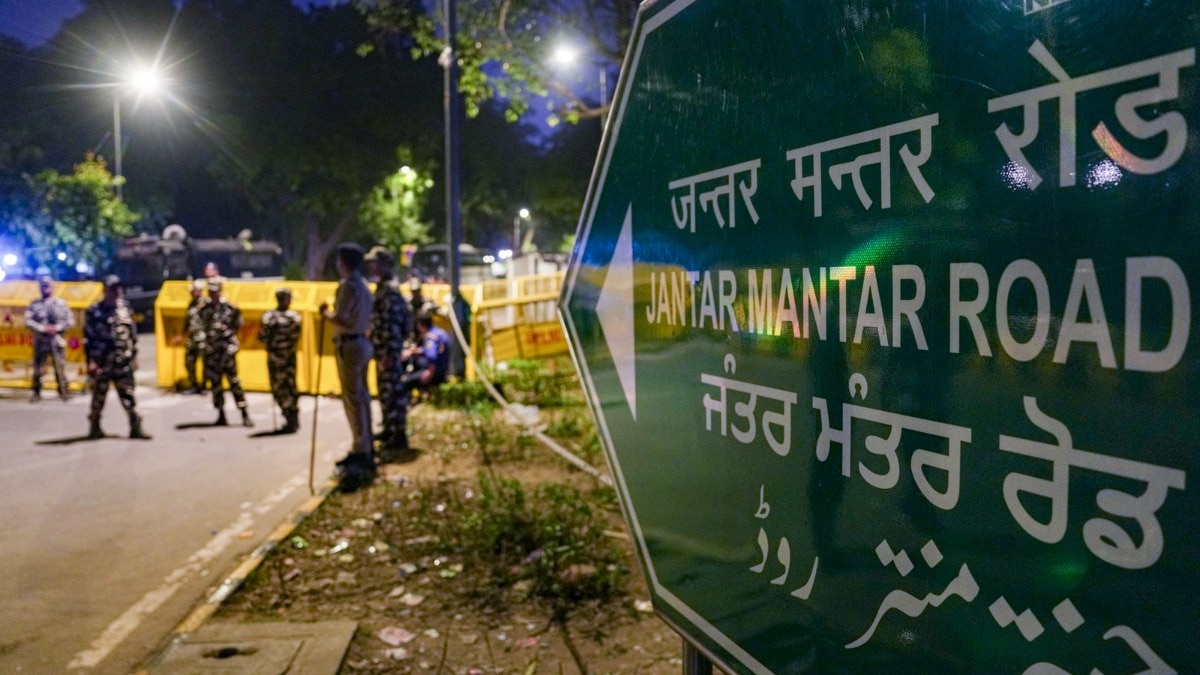
Cockroach Janta Party leaders Saurav Das and Ashutosh Ranka were recently sent to five days of judicial custody and lodged in Tihar Jail for allegedly violating their peace bonds and trespassing at Jantar Mantar, which has been denotified as a designated protest site. The action drew sharp criticism from opposition leaders, with AAP national convener Arvind Kejriwal calling the move ridiculous and Congress MP Rahul Gandhi asserting that Jantar Mantar belongs to the people and vowing to reclaim it.
Anyone returning to Jantar Mantar to stage demonstrations, gather crowds, deliver speeches, or incite public unrest now faces severe legal repercussions and heightened difficulty in securing bail. Protests conducted in restricted areas across Delhi without necessary authorization violate established protocols. Previously, demonstrations at Jantar Mantar required a written no-objection certificate from the deputy commissioner of police for the New Delhi district, detailing participant counts and expected durations. Unauthorized gatherings carry risks of detention, financial penalties, and imprisonment ranging from six months to five years depending on the severity of the offense.
Authorities enforce prohibitory orders under Section 163 of the Bharatiya Nagarik Suraksha Sanhita, which succeeded Section 144 of the Code of Criminal Procedure, restricting assemblies of five or more people in sensitive zones. Law enforcement can order crowds to disperse, removing or detaining those who refuse to comply. Defying lawful public servant orders falls under Section 223 of the Bharatiya Nyaya Sanhita, replacing Section 188 of the Indian Penal Code, carrying potential fines, imprisonment, or both depending on the consequences of the violation.
When demonstrations turn violent or obstruct official duties, gatherings can be classified as unlawful assemblies under Section 189 of the Bharatiya Nyaya Sanhita, attracting up to six months in prison or fines, with penalties extending to two years if participants carry deadly weapons. Protesters who confront law enforcement, breach barricades, or impede official functions face charges under Section 221, which carries up to three months of imprisonment. Furthermore, assaulting police personnel or damaging public assets like buses and barricades can trigger non-bailable offenses, prison terms of up to five years under the Prevention of Damage to Public Property Act, and mandatory compensation orders.
When interventions occur, police routinely detain demonstrators and transport them to holding facilities before potential release, though serious incidents result in formal FIRs against organizers and key participants. Organizations whose members breach restrictions may subsequently encounter increased administrative scrutiny when applying for future protest permissions in the capital.