


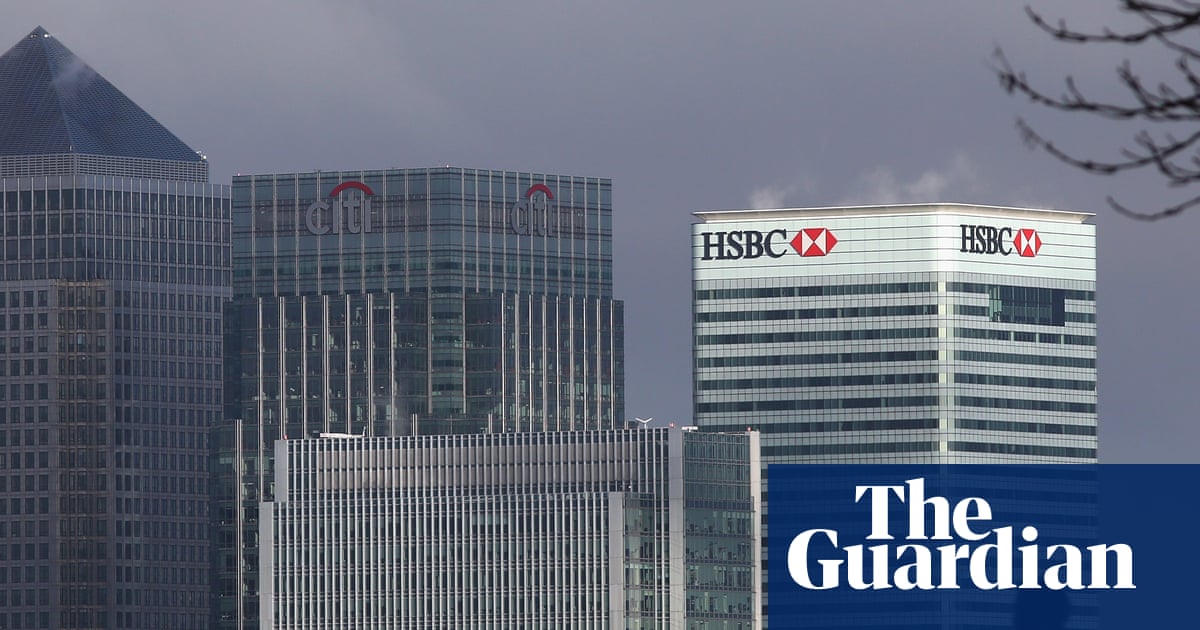
Tax reductions granted to major banks have deprived the UK government of £6 billion in revenue, according to new figures from campaigners who are urging the chancellor to increase levies and compel lenders to contribute their fair share in the upcoming budget. Calculations by the Trades Union Congress indicate that the public finances are billions of pounds worse off following tax cuts introduced by then-chancellor Rishi Sunak in 2023.
The previous administration agreed to reduce the bank surcharge—an additional levy applied to lender profits—from 8% to 3% that year. This adjustment was intended to balance a concurrent increase in corporation tax from 19% to 25%, after the financial sector argued that higher overall taxes would place them at a competitive disadvantage against rival global financial hubs such as New York.
However, these tax reductions coincided with a period of massive earnings growth for lenders driven by rising interest rates. The four largest UK financial institutions have collectively generated £200 billion in pre-tax profits over the past five years.
TUC analysis of corporate tax receipts from Her Majesty's Revenue and Customs shows that the public lost £2.3 billion in the 2023-24 period, another £1.7 billion in 2024-25, and an estimated £2 billion in 2025-26, bringing the three-year total to £6 billion. Given these massive earnings, the union body argues that the surcharge should be increased beyond its pre-2023 levels during the upcoming budget on October 28 to help families manage rising household expenses.
TUC general secretary Paul Nowak criticized the previous policy as a costly handout to financial institutions while ordinary households struggle with high energy costs, pointing out that the sector distributed a record £25 billion bonus pool last year.
Banking executives have strongly lobbied against potential tax increases, with industry leaders warning that higher levies could jeopardize investment, employment, and the UK's global competitiveness. UK Finance chief executive David Postings defended the sector's economic footprint, noting that banks already face a significantly higher total tax burden domestically than in other major financial centers and that additional burdens would hinder growth.
Campaign groups like Positive Money have echoed the calls for reversal, arguing that lenders have profited enormously from higher interest rates without substantial effort. Meanwhile, the TUC estimates that doubling the surcharge to 16% could generate £24 billion over four years, while implementing a 35% rate comparable to past energy windfall taxes could yield up to £60 billion.