


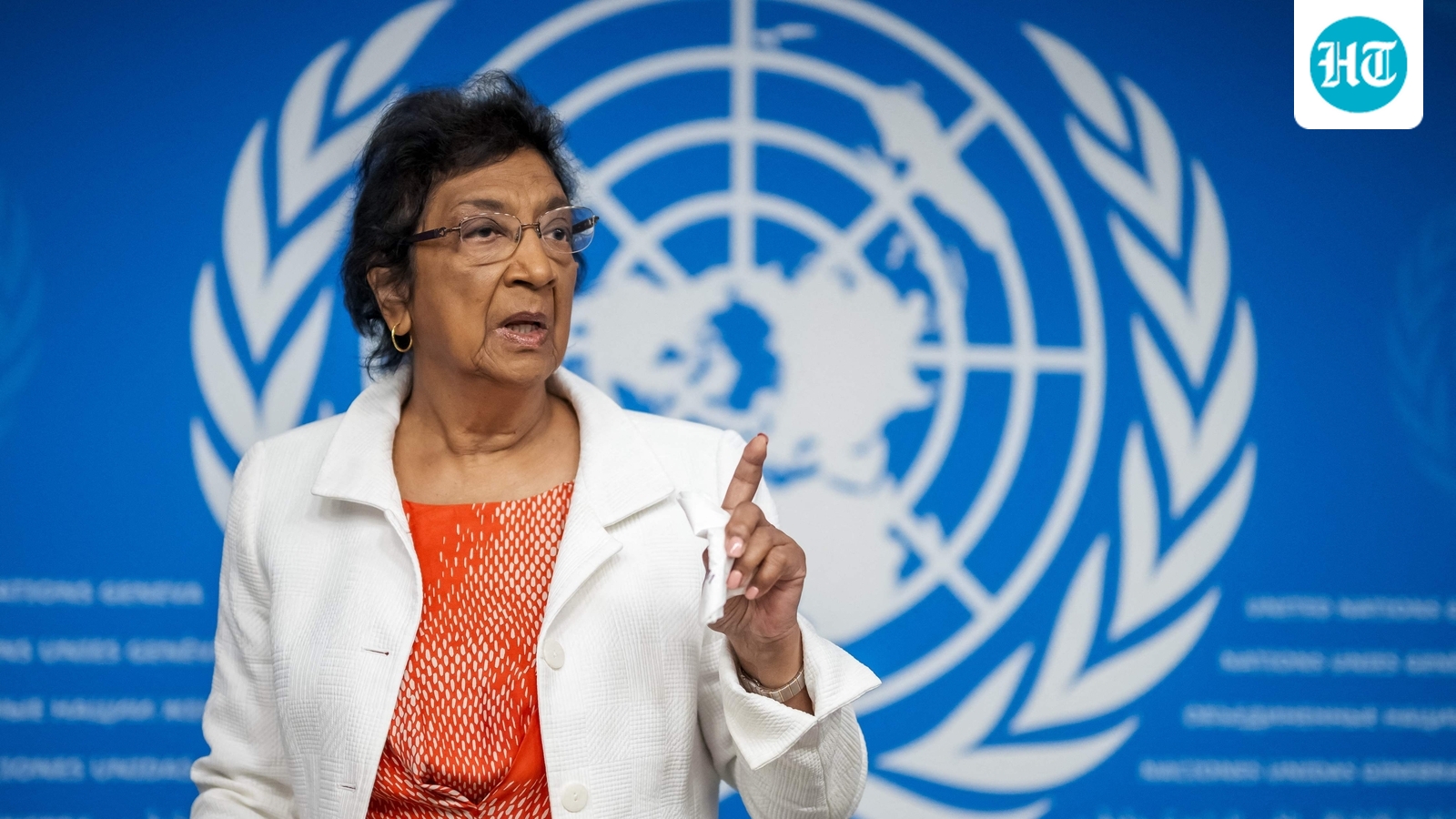
Navanethem Navi Pillay rose from poverty and apartheid-era discrimination in South Africa to become a prominent human rights advocate and international judge. Born to Indian parents of Tamil descent in Durban and raised in the slums of Clairwood, KwaZulu-Natal, Pillay grew up in a home without books, newspapers, or a radio. Poverty and discrimination shaped her early years, and she has frequently reflected on these hardships in interviews. The Indian-origin South African jurist and former United Nations High Commissioner for Human Rights was awarded the 2026 Nobel Peace Prize in recognition of her efforts to advance peace and international law. According to the Norwegian Nobel Committee, she was honoured for her instrumental role in ensuring the prosecution of war crimes, crimes against humanity, and genocide.
Pillay has often recounted her early life, noting that while deprivation and discrimination are familiar to many South Africans, they frequently surprise audiences around the world. Her journey to the global human rights stage involved overcoming significant barriers imposed by race, class, and gender. When asked how she transitioned from humble beginnings to international influence, she frequently addresses the underlying assumptions tied to her background as a Black woman from apartheid South Africa.
Pillay's father worked as a bus driver, while her mother was an uneducated homemaker who had been denied the opportunity to attend school. Her family's struggles stretched back generations, with her grandfather having been brought to South Africa as an indentured sugarcane labourer by British plantation owners. Although her grandfather predicted during her childhood that she would become a lawyer, the ambition was initially treated as a family joke. A teacher even discouraged her by suggesting her father must have considerable wealth to fund a university education.
Her path to higher education was ultimately made possible by the support of her community. After her school identified her potential and appealed for financial assistance, local residents contributed small coins and two-rand notes to help fund her studies. Pillay later emphasized that her progress was driven by self-confidence, hard work, and parents who valued education.
Earning a BA LLB degree from the former University of Natal did not immediately end her professional struggles. At age 24, she faced major hurdles in securing articles at a law firm. The university registrar declined to assist her, citing an inability to exercise authority over white staff and suggesting she pursue teaching instead. When Pillay approached white-dominated law firms, she encountered discrimination based on her race, class, and gender, facing intrusive questions about her family's wealth, potential business prospects, and whether she might become pregnant.
Pillay drew parallels between her early career obstacles and those faced by Nelson Mandela decades earlier, noting that she encountered the same systemic barriers. Despite these challenges, her career eventually carried her from the courtrooms of South Africa to the highest levels of international justice, culminating in her appointment as an acting judge of South Africa's High Court in 1995 and her subsequent global human rights leadership.