

When The Social Network was released, Mark Zuckerberg reportedly organized a staff viewing of the movie, describing it as fun. A corporate outing to its sequel is difficult to imagine. While the original film was hardly hagiographical—and Zuckerberg later called it hurtful—it still captured a plucky upstart guiding Facebook toward early growth with a valuation of $25 billion, figures that look minuscule compared to Meta's modern stature of 3.6 billion users and a $1.8 trillion valuation.
By the conclusion of that film, a steely chief executive emerged as his company pushed toward global dominance. The upcoming sequel, The Social Reckoning, picks up from there with the explicit perspective that both the founder and the entire tech industry have evolved into corporate villains. This shift is further underlined by other forthcoming projects, including the OpenAI drama Artificial, which reportedly offers a deeply unflattering portrayal of CEO Sam Altman, and Alex Gibney's four-hour documentary Musk, focusing on the world's first trillionaire. 柏 Technology is the obvious common thread connecting these projects, but another is the scathing lens trained on their leaders. Traditional cinematic villains used to be street hoodlums, rogue operatives, or figures with posh accents, but modern tech executives have effectively become the new Darth Vader.
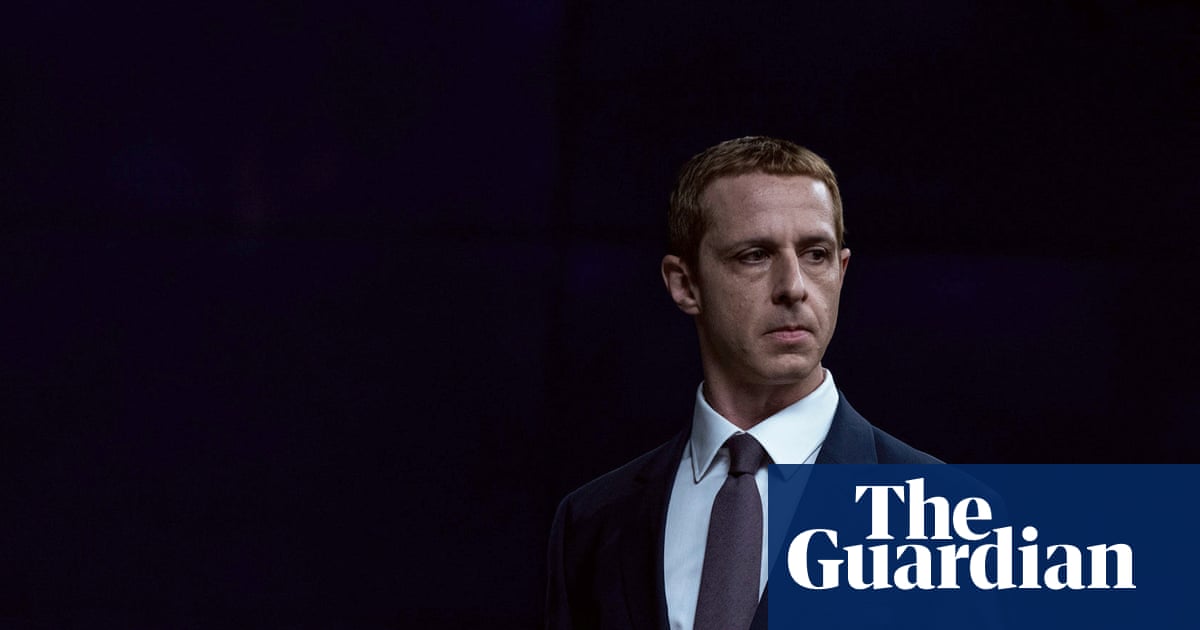
This cultural shift is emphasized by the casting of Jeremy Strong as Zuckerberg. Though Strong is older than the Meta CEO was during the film's 2019 to 2021 timeline, he brings the intense, tortured energy that viewers recognize from his role as Kendall Roy in Succession. Strong delivers a straitjacketed, emotionally restrained performance that reviewers have likened to a puppet, physically embodying Meta as a monolithic corporate antagonist.
Certain former Meta employees, including whistleblower Arturo Béjar, have described elements of the portrayal as accurate, noting a cold and unemotional demeanor during internal meetings. Public perception of social media companies had already begun to turn following controversies like Cambridge Analytica, which raised urgent questions regarding consumer data privacy.
Those concerns deepened significantly with the 2021 disclosures by whistleblower Frances Haugen and the subsequent 2022 inquest into the death of British teenager Molly Russell, who encountered harmful content on Instagram. These events made global regulation of social media platforms seem inevitable and fueled a widespread legal and political backlash.
The tone of the new cinematic wave directly reflects this erosion of public trust. In the United Kingdom, screenings of The Social Reckoning feature advertisements from an online safety charity established by Molly Russell's family, featuring her father's powerful condemnation of the platform. While Meta states it has worked diligently to enhance user safety, the growing wave of critical films demonstrates that skepticism toward big tech remains firmly entrenched.