


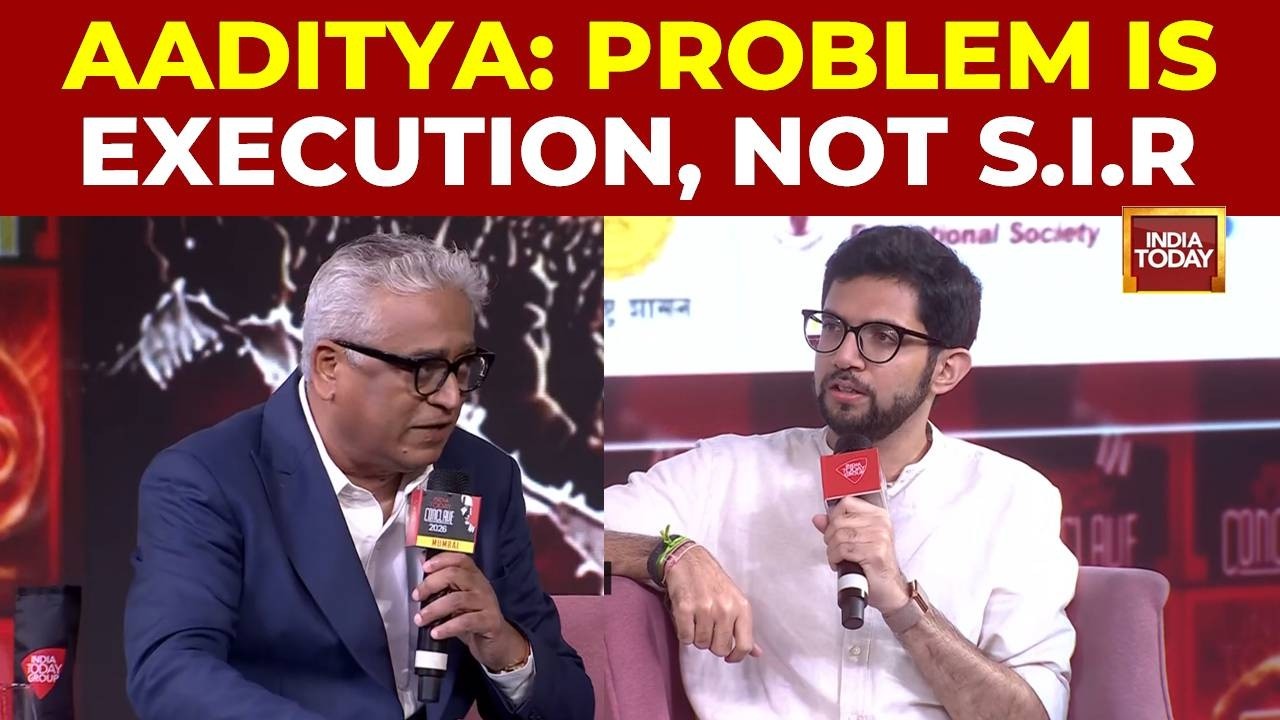
New Delhi: In an interview discussing the Special Intensive Revision of voter lists, objections were raised regarding the execution of the process, particularly in Mumbai. The guest argued that genuine, long-time voters who participated in elections between 2002 and 2026 have found their names omitted from the draft rolls. While acknowledging that an audit to remove fraudulent duplicate entries could benefit India if conducted properly, the interviewee alleged that current authorities are operating under political instructions and criticised the centralisation of powers that sidelines local Electoral Registration Officers.
In a related development, the Supreme Court intervened regarding sweeping traffic restrictions, metro closures, and train cancellations imposed in the national capital ahead of a planned CJP protest. Emphasising that public transport cannot be completely stopped, the apex court observed that the rights of ordinary commuters, workers, and students must not be disrupted by blanket prohibitions.
The court directed that metro trains and railway services operate in a regulated manner rather than facing total shutdowns, adding that proper alternate routes must be identified and publicised for the public. While acknowledging the government's primary duty to maintain law and order, the bench highlighted the critical need for proportionate action to safeguard the public right to free movement.
During the proceedings, petitioners raised serious concerns over the closure of 57 metro stations, widespread train cancellations, and alleged police intimidation. In response, Solicitor General Tushar Mehta cited past law and order incidents during a previous protest march towards Parliament to justify the security measures. The court ultimately recorded an assurance from authorities that they would reconsider full bans and permit regulated movement going forward.