


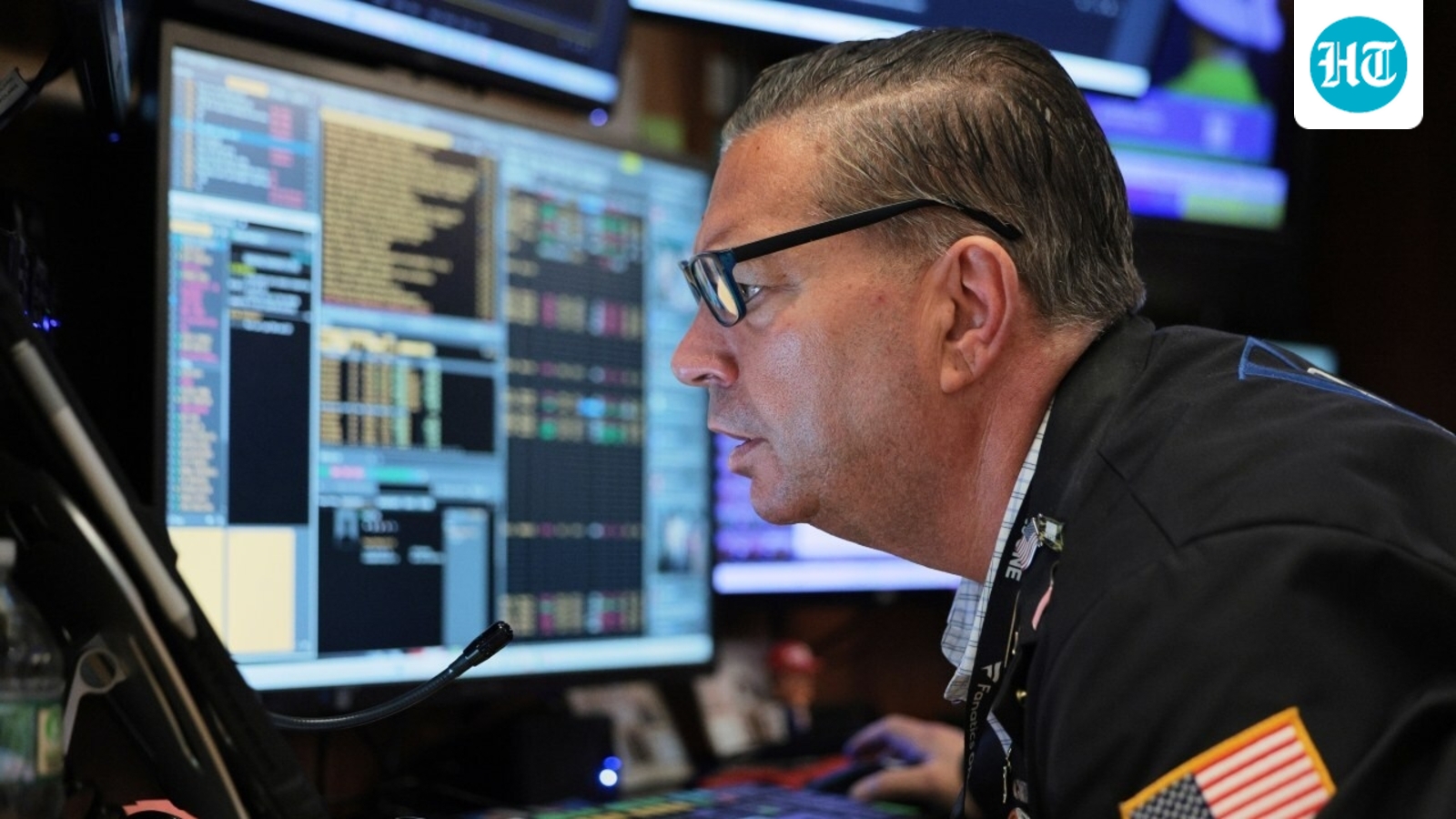
Additional major indexes also advanced, with Dow Jones Industrial Average futures ticking up 0.1% and S&P 500 futures gaining 0.4%. European equities opened on a positive note, lifting the continent-wide Stoxx 600 by 0.75% amid a broader software rally. Meanwhile, Asian markets presented a mixed picture, as the AI-concentrated Korean Kospi and Japan's Nikkei 225 both registered declines.
Telecommunications companies experienced notable weakness in both the United States and Europe. Shares of T-Mobile fell by more than 6% ahead of the market open, and European telecom firms declined following reports that Elon Musk’s SpaceX is accelerating the development of a competing mobile network.
Government bond yields moved slightly higher during early European trading hours, though they remained well below the multidecade peaks observed earlier in the month. Ten-year Treasury yields increased by 1.1 basis points to reach 5.244%, while 30-year yields ticked up 0.9 basis points to 5.615%.
Crude prices retreated from the previous day's highs following remarks from President Trump stating that the United States would not launch an attack against Iran prior to the midterms, noting productive diplomatic discussions. Front-month Brent crude contracts slipped 1% to trade at $103.20 a barrel, and West Texas Intermediate crude dropped 0.9% to $90.64 a barrel. Nonetheless, underlying supply concerns persisted due to ongoing Houthi militant strikes against Saudi Arabia and weather threats from Hurricane Isaias affecting Gulf of Mexico production.
The U.S. dollar eased from recent highs against a basket of international currencies, providing support for gold and bitcoin prices. The leading cryptocurrency gained nearly 1% to hover around $82,500, and New York gold futures climbed back above the $4,200 per troy ounce threshold.
Looking ahead to the remainder of the session, market participants turned their attention toward incoming U.S. consumer sentiment data for further economic direction.