


Dealing with challenging soil types like heavy clay can often prove frustrating for vegetable growers, particularly when standard organic mulches wash away on sloped terrain or struggle to penetrate compacted earth. While compost and well-rotted manure remain valuable tools for chemical-free and no-dig gardening, gardeners facing stubborn soil conditions often need additional strategies to restore vitality ahead of future planting cycles.
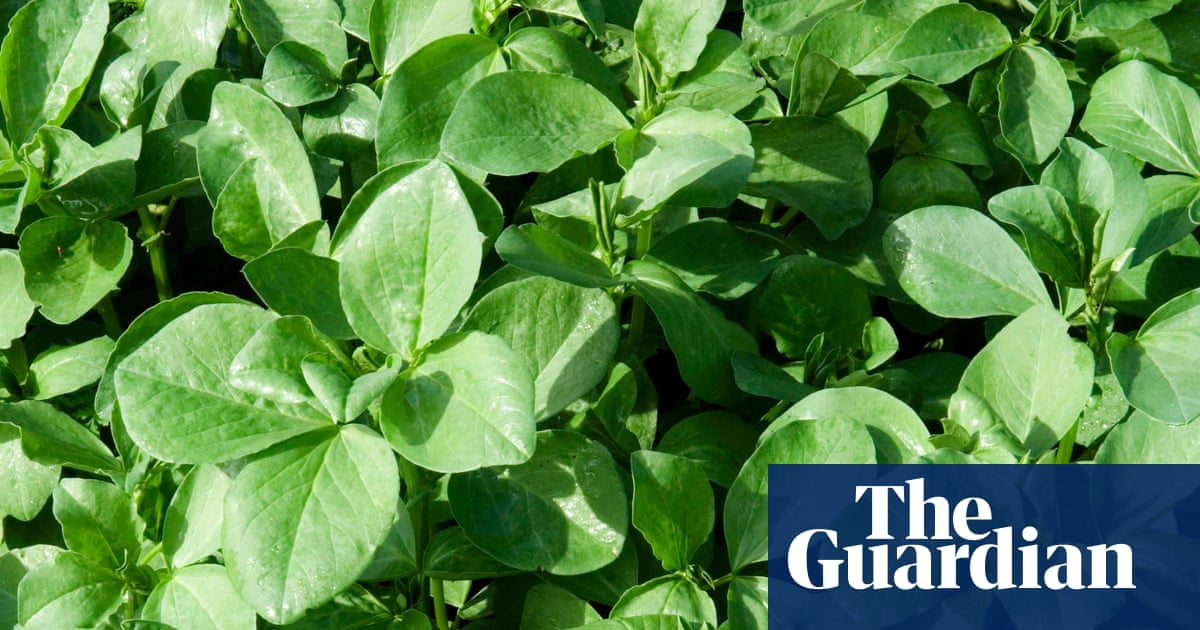
Legumes offer an effective solution for organic growers seeking to revive tired or difficult earth. These plants possess a natural ability to capture nitrogen from the air with the assistance of specialized bacteria, storing it within their tissues so it can eventually be released to nourish subsequent crops. Incorporating varieties such as vetch, also known as winter tares, along with field beans and forage peas into a seasonal rotation can yield significant improvements.
These cover crops are ideally sown in September, though October can still work well in milder regions. As they grow through the coming months, their roots push deep into the earth, helping to break up dense layers, improve overall structure, and regulate moisture by breaking down excess water and enhancing retention.
Come spring, before the plants flower and while their stems remain soft, they can be cut down at the base. Gardeners who prefer a no-dig approach can chop the stems into pieces to use as a surface mulch or add them to a compost bin, while the decomposing root systems left behind in the ground continue to condition the soil.
While dedicating vegetable beds to cover crops means sacrificing space for overwintering edibles, the practice ultimately transforms difficult earth into a more workable and fertile medium for the following spring's harvest.