

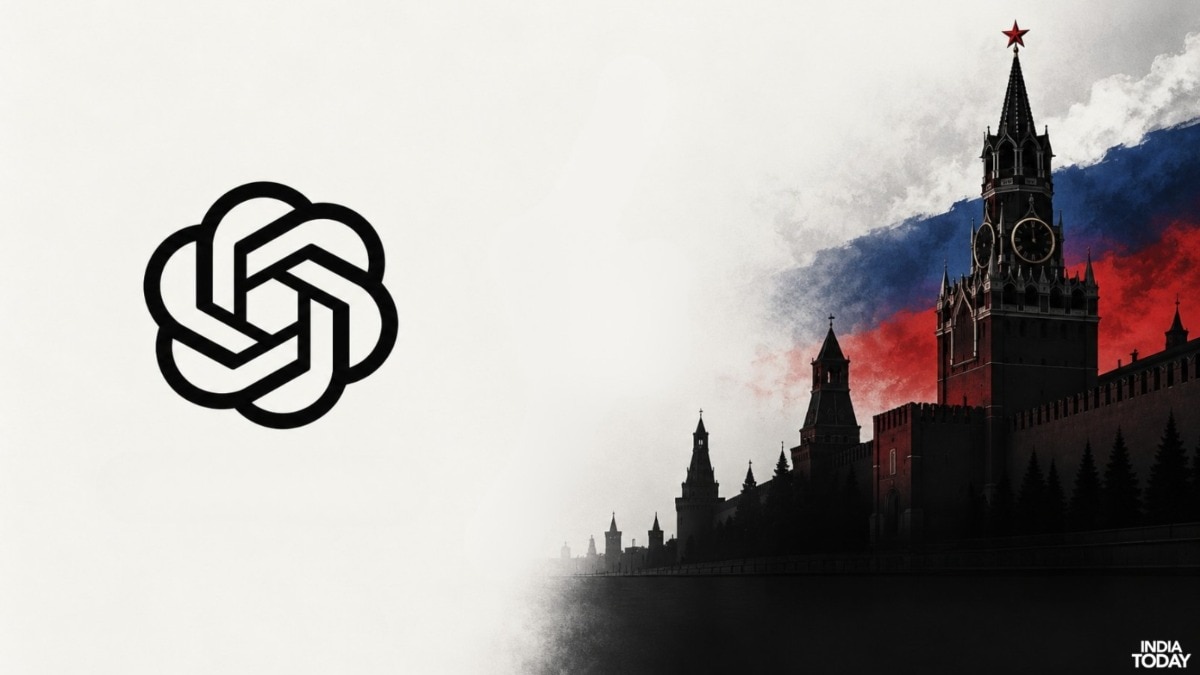
The Social Research Center initially presented itself as a benign think tank dedicated to fostering closer ties, trade, and cultural understanding between India and Latin America. However, research from artificial intelligence firm OpenAI has identified the apparently independent institution as a front for a Russian influence operation.
OpenAI stated that Russia-based operators controlled the center through a fabricated persona named Mia Clark, who reportedly managed staffing decisions, authorized salaries, and directed research initiatives. The Latin American researchers who contributed to the organization were allegedly unaware of who was truly directing their work.
OpenAI designated the covert campaign as "Dark Clark" and described it as the most intricate false-front identity scheme it has disrupted in two and a half years. An open-source investigation into the website revealed a steady stream of articles focusing on global conflicts, international sanctions, and foreign policy choices, all presented through Indian and Latin American viewpoints.
Domain registration records indicate the website was established in October 2024 through an India-based registrar. The organization's name, its stated mission bridging India and Latin America, and studies focusing on BRICS and the Brazilian economy align directly with the projects detailed in the security report.
The content published by the center avoided outright defenses of military aggression, instead prompting readers to question prevailing narratives regarding conflicts and the validity of Western sanctions. Articles examined the economic fallout of restrictions on civilians and third countries, while surveys criticized standard media framings of geopolitical disputes as lacking historical context.
India emerged as a third major focus across the published materials. Research pieces highlighted India's policy of strategic autonomy, contrasting it with Latin American diplomatic shifts and offering New Delhi's balanced diplomatic stance as a model for developing nations.
Beyond publishing articles, OpenAI reported that the network engaged in more aggressive tactics, including the circulation of forged documents and official impersonation. In Ecuador, the network allegedly distributed manipulated audio designed to make the Ukrainian consul appear to insult local citizens, alongside a fabricated video falsely claiming the Ecuadorian government was recruiting young people for foreign military service.
Technical anomalies further exposed the operation, with platform logs showing network accounts linked through the Russian Federation App Store alongside fabricated professional profiles intended to bolster the organization's legitimacy.
Analysts suggest that framing the influence campaign around India's identity and strategic autonomy provided a useful layer of credibility. As a prominent Global South nation maintaining diplomatic ties with both Western countries and Russia, India offered a convenient lens through which neutralist arguments regarding sanctions and foreign conflicts could be introduced without directly exposing Moscow's involvement.