


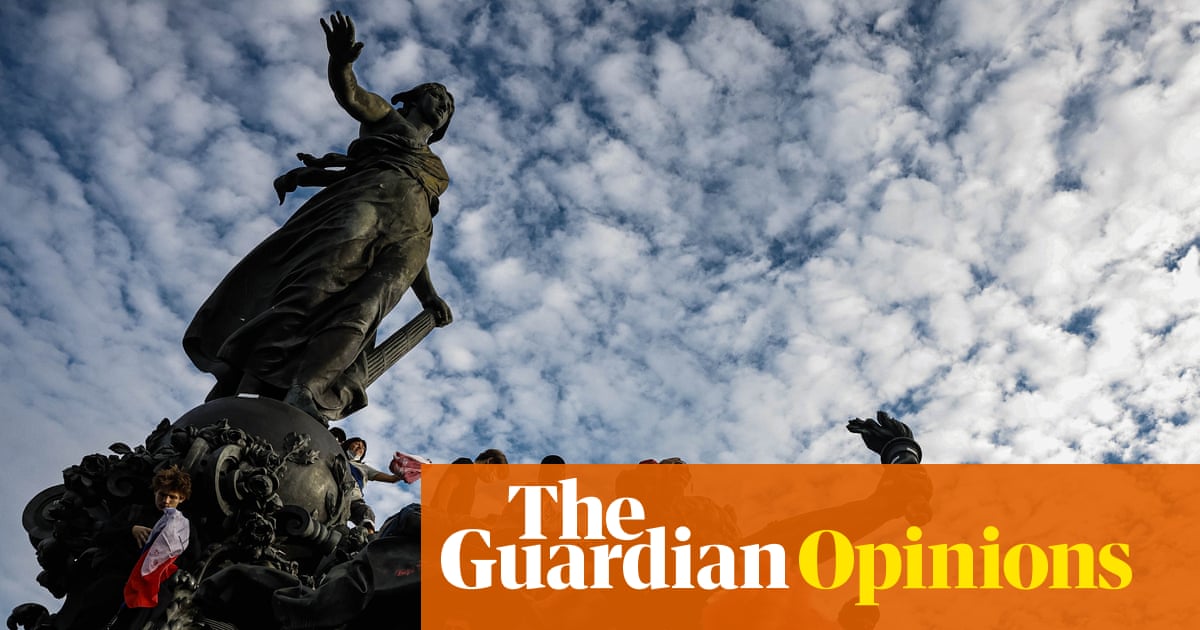
When adolescents protest that the government is failing to uphold their right to an education, and the official response is to deploy riot police, the administration has lost touch. Observers outside France might dismiss the student demonstrations in Paris and other cities as another chapter in the country's long tradition of insurrection, but the conditions that sparked this teenage anger reflect severe structural neglect.
France currently sits in 27th place in OECD education rankings. Schools grapple with collapsing ceilings, rat infestations, and a lack of drinkable water in some facilities. Average class sizes have grown from 27 students in 2010 to more than 30 today, while half of primary and high schools faced teacher shortages at the start of the academic year without adequate substitutes.
Teachers note that low salaries and poor treatment drive the staffing crises. Educators earn a fraction of what their counterparts make in countries like Germany, despite billions in public subsidies flowing annually to businesses. Although the movement could easily have begun as a teacher-led revolt, the high-schoolers themselves were the first to take action.
Students have paid a steep price for protesting the deteriorating education system. Numerous minors have suffered severe injuries from police munitions, including lost limbs and broken bones, while thousands of people have been arrested in a little over a week. Critics argue that while some students engaged in destructive behavior like burning trash cans, the greater incoherence lies in a government that has disinvested in its youth and chosen to answer facility grievances with police charges.
Protesting students emphasize that they would rather be in class than facing tear gas, but felt compelled to take a stand for future generations. Beyond crumbling school infrastructure—marked by extreme temperatures, mold, and power cuts—young people face mounting anxieties regarding the climate, the economic impact of artificial intelligence, and the rise of far-right political movements.
Successive governments have often managed troubled urban areas through heavy-handed policing and random checks that disproportionately target young people. Centralized policies also tend to assign the least experienced teachers to the most challenging schools, while senior educators secure transfers elsewhere. Right-wing politicians have responded to the current demonstrations by calling for harsher sentences and more law and order, but analysts argue that batons cannot resolve a crisis rooted in systemic neglect.
Addressing the unrest requires tangible actions, such as upgrading dilapidated facilities and investing in thoughtful architecture that fosters community respect and calmer environments. However, observers stress that superficial renovations are not enough; the fundamental challenge for the political class is to finally pay attention to a generation that feels abandoned and ignored.