


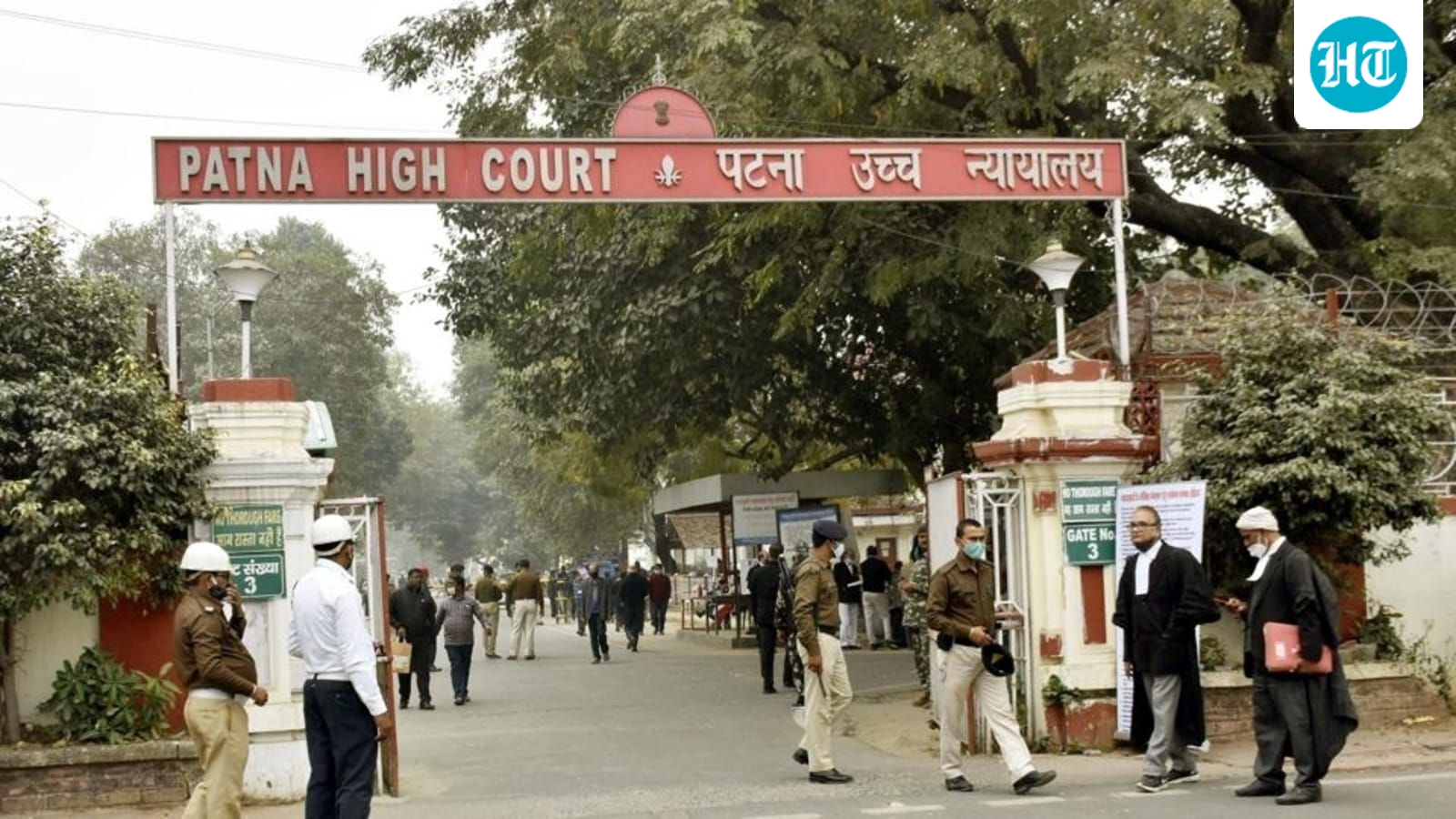
Patna: The Patna High Court has ruled that lying on top of a woman and covering her mouth, in the absence of any overt act directed toward penetration, does not constitute an attempt to commit rape when the evidence fails to demonstrate that the accused progressed beyond the stage of preparation.
The decision was issued by a single-judge bench comprising Justice Sandeep Kumar, which reviewed an appeal challenging a conviction judgment dated July 29, 2013, alongside a sentencing order from August 1, 2013.
According to the prosecution details, the complainant was a widow residing with her children who was asleep in her home on February 8, 2010. The appellant allegedly entered the premises, extinguished the lamp, lay on top of her, and placed a hand over her mouth. Upon hearing her cries, nearby villagers rushed to the location and apprehended the man.
Following the incident, the individual was sentenced to four years of rigorous imprisonment under Sections 376 and 511 of the Indian Penal Code, alongside a six-month prison term under Section 448 for house trespass, with the sentences ordered to run concurrently.
During the proceedings, the defense contended that the woman's testimony contained inconsistencies and lacked corroboration, noting further that the villagers who allegedly detained the accused were not examined as witnesses.
The high court evaluated whether the established facts justified a conviction for attempted rape under Sections 376 and 511 of the IPC or instead fell under Section 354, which addresses assault or criminal force with intent to outrage a woman's modesty. Ultimately, the bench determined the record did not sufficiently prove an attempt to commit rape.
Citing legal precedent established by the Supreme Court, the bench emphasized that indecent assaults are frequently magnified into attempted rape allegations, and tangible material must exist to demonstrate a clear determination to gratify passion regardless of resistance.
The court underscored that without evidence showing the appellant undressed himself or the victim, or undertook any physical action toward penetration, it could not be concluded that he had moved past mere preparation to execute an act that would have resulted in rape had it not been interrupted.
Taking into account the extensive time elapsed since the February 2010 incident, the absence of any prior criminal record, and the appellant's responsible conduct during more than 13 years on bail without any reported misuse of liberty, the high court modified the sentence and restricted it to the period the man had already served.