


Monitored wildlife populations across the globe have contracted by an average of 73 percent since 1970, according to the Living Planet Report 2026 released by the World Wide Fund for Nature. This comprehensive index incorporates 35,803 population trends spanning 5,790 distinct species of mammals, birds, amphibians, reptiles, and fish.
Experts note that this percentage represents an average shift in population sizes rather than a cumulative total of individual animals lost. The data reveals a polarized reality where certain animal groups have suffered catastrophic collapses while others have managed to grow, with the index calculating the average between these divergent outcomes.
Freshwater ecosystems experienced the most severe losses, registering an average plummet of 85 percent to mark the steepest drop recorded within the index. Despite these alarming global trends, the broader ecological picture is not entirely negative.
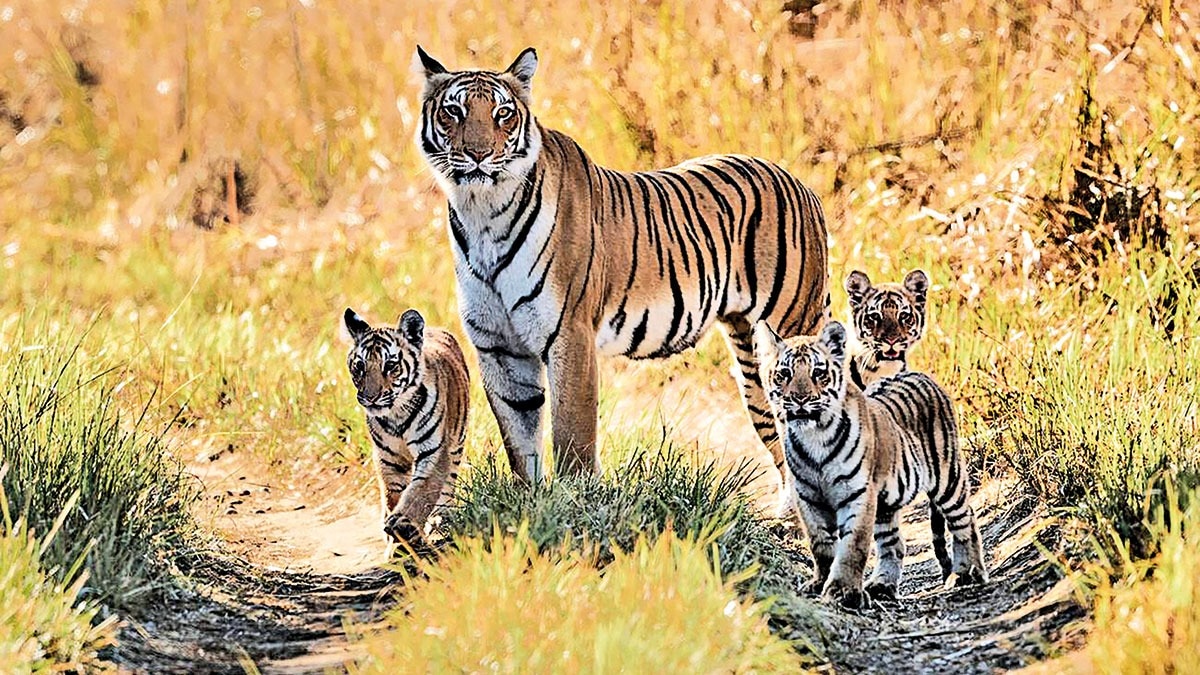
Roughly half of all the monitored populations are currently holding steady or increasing in number. However, the sheer scale of the declines continues to outweigh the recorded gains, leaving the global average at a steep 73 percent decrease while select regions, including India, offer encouraging bright spots for big cat populations.