


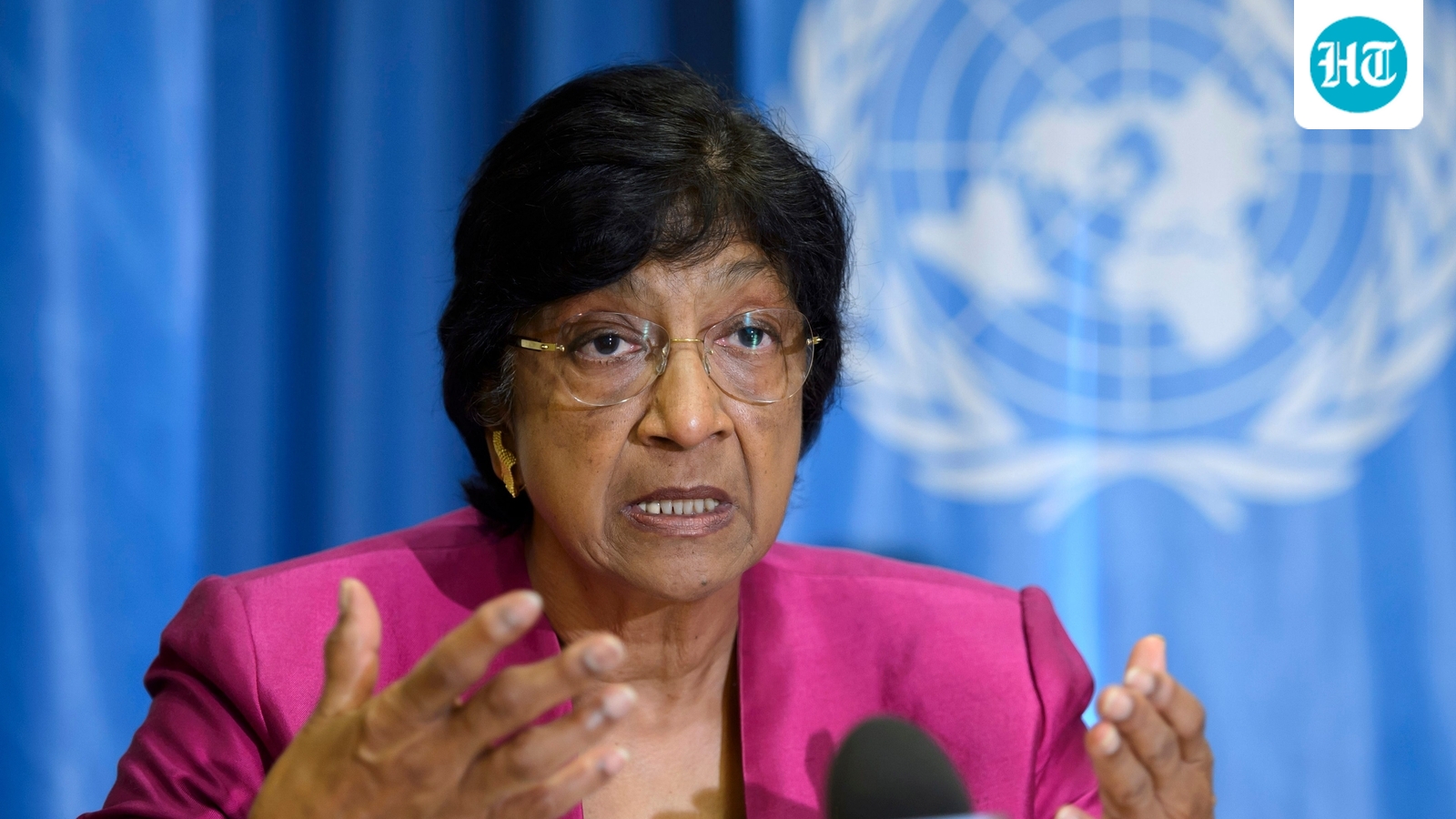
The International Criminal Court has welcomed the awarding of the Nobel Peace Prize to its former judge, Navanethem Navi Pillay, highlighting the vital importance of international law in securing lasting peace. The Norwegian Nobel Committee recognized Pillay for her pivotal contributions to prosecuting war crimes, crimes against humanity, and genocide.
ICC President Tomoko Akane described the honor as a significant acknowledgment of international justice acting as a cornerstone for peace. Akane noted that the recognition carries profound importance at a time when the international legal order and the rule of law face severe challenges.
Pillay, an 85-year-old South African jurist of Indian origin, has built a decades-long career spanning domestic courts, international tribunals, and the United Nations. Born in Durban in 1941 to a Tamil family under apartheid, she studied law at the University of Natal before obtaining a master's degree and a doctorate from Harvard University. She became the first non-white woman to open a law firm in Durban, where she actively defended opponents of apartheid and successfully fought for legal representation for political prisoners held on Robben Island.
Following South Africa's first democratic elections in 1995, Pillay became the first woman of color appointed to the country's High Court. Nelson Mandela later recommended her to the International Criminal Tribunal for Rwanda, where she participated in a landmark 1998 ruling that recognized rape as an act of genocide. She subsequently served as the United Nations High Commissioner for Human Rights from 2008 to 2014, vocalizing strong opposition to state repression and government crackdowns during the Arab uprisings in Libya and Syria.
Between 2021 and 2025, she chaired a United Nations Human Rights Council commission of inquiry examining the root causes of the Israeli-Palestinian conflict, which concluded that genocide was occurring in Gaza. Additionally, Pillay has served as an ad hoc judge at the International Court of Justice concerning allegations that Myanmar violated the Genocide Convention in its treatment of the Rohingya minority.
Established in 2002 under the Rome Statute, the International Criminal Court prosecutes individuals for genocide, war crimes, crimes against humanity, and aggression. Operating with 125 member states, the tribunal investigates situations globally despite facing jurisdictional resistance from non-member nations including the United States, Russia, and Israel.