


Europe’s football associations have raised serious concerns about the impact of the extended international break and will ask UEFA to push for a reversion to the previous scheduling format.
The new three-week break left European countries tasked with playing four Nations League games, a workload that typically used to take place within an 11-day span. This change has triggered deep misgivings across the continent regarding player workload, injuries, and financial viability, with one FA president labeling the setup a disaster and numerous others calling the schedule unworkable.
Opposition to the break was virtually unanimous during a meeting of European FAs in Berlin, a subject that prompted a series of passionate interventions. Figures including Football Association chair Debbie Hewitt and chief executive Mark Bullingham spoke out to highlight the drawbacks of the calendar change, which had been approved by the FIFA council in 2023. Many attendees expressed a clear preference for the set of five two-week breaks that preceded the current season.
The extended window, which merged the previous September and October windows into a single longer spell, was originally intended to improve player welfare and cut down on travel commitments. However, an overwhelming number of FAs are unhappy with how a bruising run of Nations League fixtures played out in practice, noting they generally occur at a higher intensity than friendlies and feature fewer available substitutions.
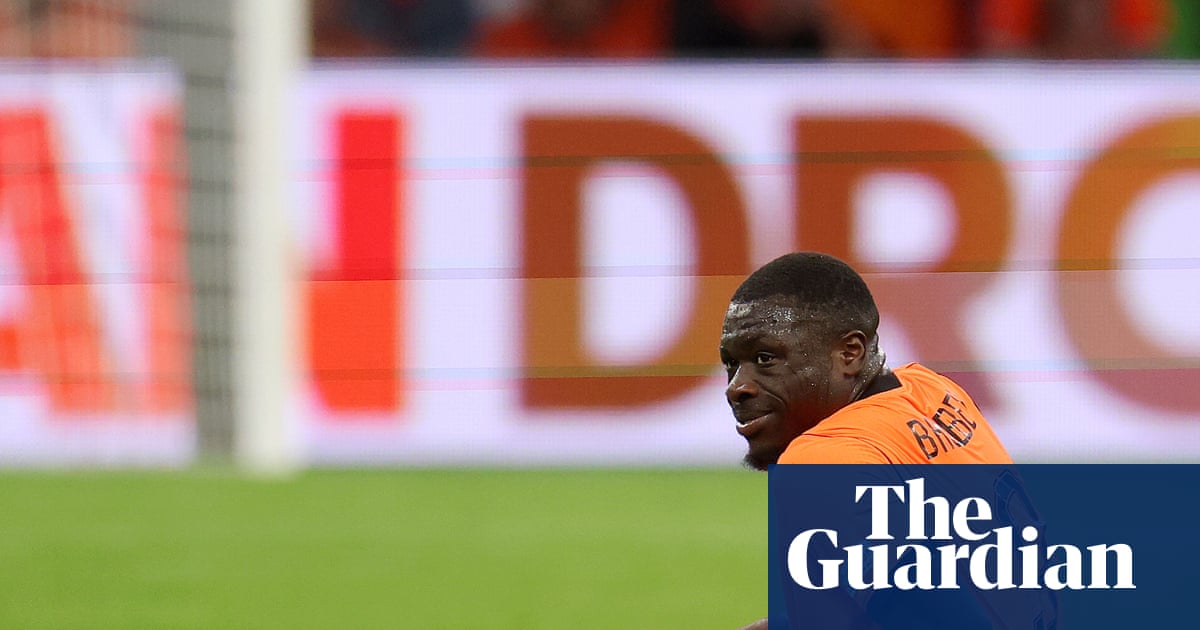
A lengthy list of players, including Kylian Mbappé, Alex Scott, Cody Gakpo, Alexander Isak, and Brian Brobbey, have picked up injury issues under the current setup. This worry unites UEFA’s membership, with smaller countries additionally concerned that their reduced player pools offer fewer opportunities to rest athletes. There is also a sense that well-resourced nations hold a competitive advantage when playing a large block of Nations League fixtures at once, a factor that carries significant weight since performance in the competition determines Euro 2028 seeding.
Several federations also voiced dissatisfaction with the commercial implications of the break, citing the difficulties of marketing and selling tickets for two home matches in such close proximity. International fixtures traditionally serve as vital fundraising mechanisms for national football associations.
While one FA president suggested the window could be tailored to the specific needs of each continent, another chief noted their federation would analyze the break's merits while highlighting the advantage of having extended time for a national team manager to work directly with players.
Although there is a strong appetite for UEFA to lobby FIFA to scrap the format, the prospects for success remain slim. Relations between the governing bodies have reached historic lows, and the international match calendar is locked in place until 2030. Any potential breakthrough may depend on a change in leadership at FIFA, where President Gianni Infantino faces an upcoming election cycle.