


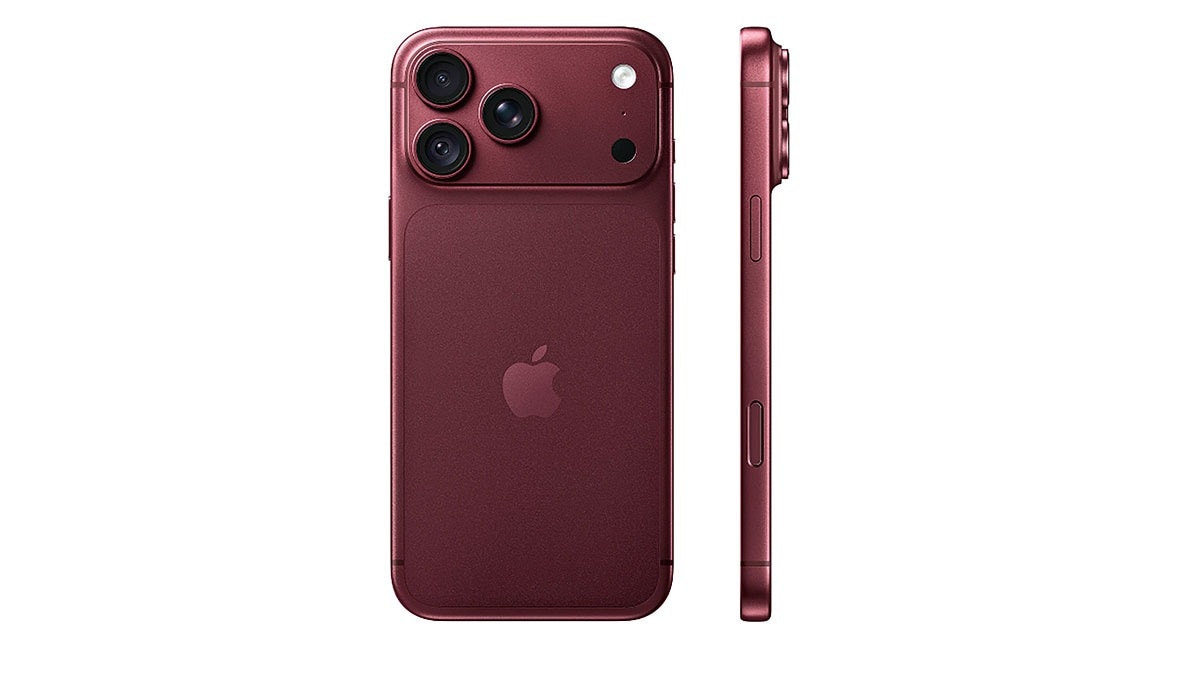
Apple has reportedly instructed select suppliers to reduce component manufacturing for the iPhone 18 Pro and iPhone 18 Pro Max as consumer demand fails to meet initial expectations. Industry reports indicate that October orders for both flagship devices have experienced cuts ranging from 15 percent to 20 percent compared to the tech giant's original forecasts.
Market observers point to rising retail prices as a primary deterrent for buyers. Apple increased baseline pricing for the Pro lineup by $100, bringing starting prices to $1,199 for the Pro model and $1,299 for the Pro Max, with regional increases reaching significantly higher in international markets such as India. Industry insiders have noted that these elevated price points may simply be too expensive for a standard smartphone upgrade. Additional indicators of cooling demand include financial analysis from UBS, which observed shrinking delivery wait times across more than 30 global markets.
Component cost inflation has also played a major role in the production adjustments. A global squeeze on memory chips, driven partly by tech conglomerates aggressively sourcing hardware for artificial intelligence data centers, has driven up manufacturing costs across the mobile industry. Apple previously adjusted pricing upward for its iPad and MacBook lines earlier in the year due to similar cost pressures.
Apple's current hardware release strategy may also be influencing sales volume. By releasing only its premium tier devices in the fall while withholding the standard iPhone 18 and the new iPhone Air until spring 2027, the company lacks the traditional volume boost usually provided by lower-priced models during the holiday shopping season. However, because each available unit carries a price increase of at least 10 percent compared to previous generations, Apple can afford to ship fewer total devices while maintaining strong overall revenues.
The broader mobile market faces severe headwinds, with market research firm IDC projecting a notable decline in global smartphone shipments alongside sharp jumps in average selling prices. While budget-oriented brands like Xiaomi, Oppo, and Vivo face intense pressure from these dynamics, analysts suggest premium market leaders like Apple and Samsung could potentially expand their overall market share.
Apple's upcoming retail tests will include the launch of the foldable iPhone Duo, scheduled to debut at $1,999. Industry analysts and supply chain partners are monitoring the release closely to determine whether consumers will embrace the ultra-premium foldable category despite ongoing cost-of-living pressures.