


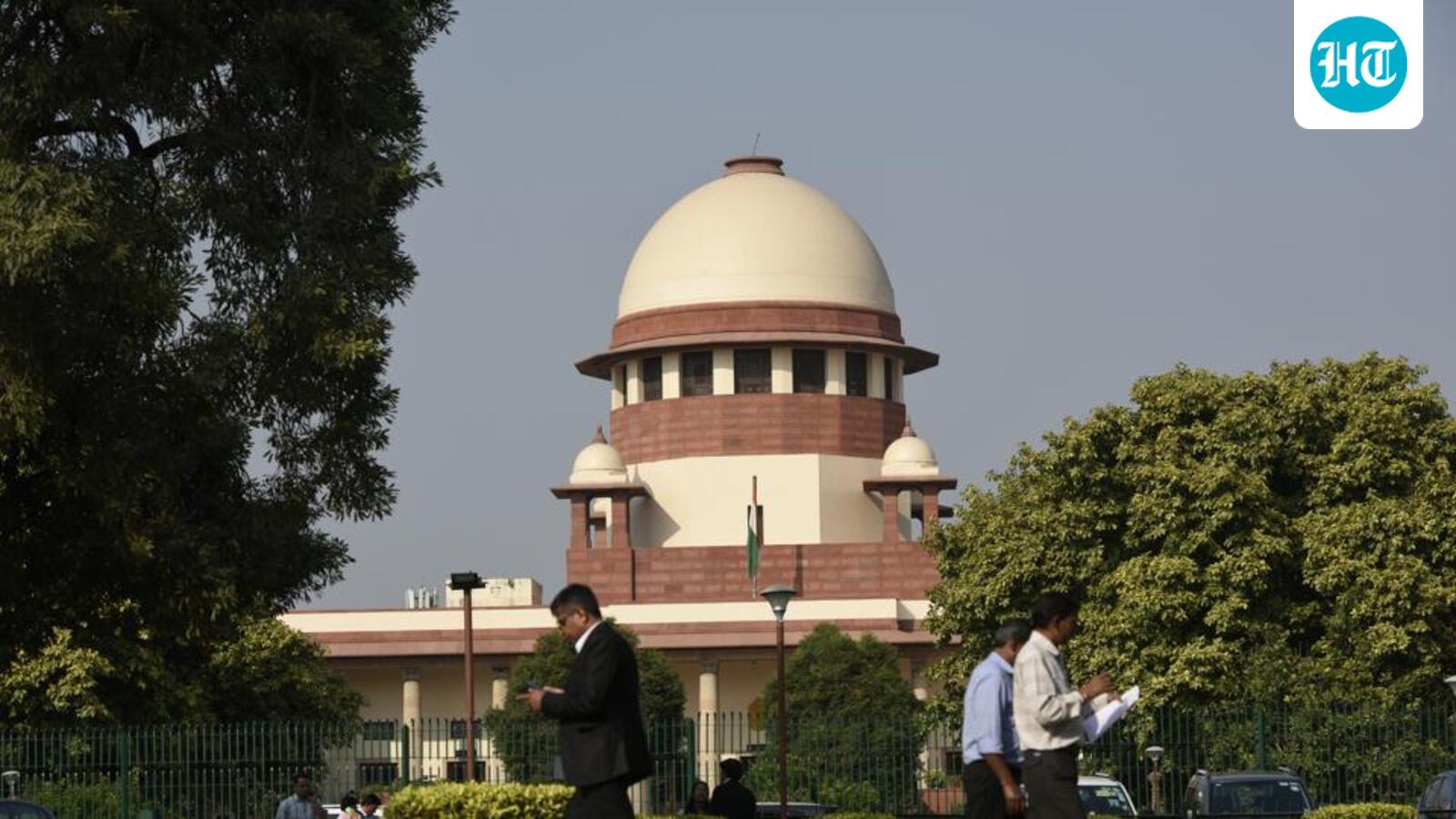
The Supreme Court on Friday declined to intervene in the Tamil Nadu assembly Speaker's decision to drop disqualification proceedings against several All India Anna Dravida Munnetra Kazhagam legislators who supported the government led by C Joseph Vijay during a trust vote in May. The top court noted that the AIADMK had condoned the actions of these legislators and stated that a legal challenge could not be pursued by an individual it termed an interloper.
A bench comprising Chief Justice Surya Kant and Justices Joymalya Bagchi and V Mohana dismissed the petition filed by lawyer PV Selvakumar, who asserted he was a member of the party. Selvakumar had approached the Supreme Court after the Madras High Court dismissed his petition challenging the Speaker's June 9 decision to drop the proceedings, which was initiated following a letter from the party general secretary on May 27.
The bench emphasized that while constitutional integrity under the anti-defection law must be maintained, the practical functioning of a democratic system must also be recognized. Counsel representing the petitioner argued that once the Speaker had admitted the disqualification petition, it should have been pursued to its logical conclusion since the lawmakers had violated the party whip against the confidence vote.
However, the court observed that although the legislators might have breached the whip and enabled the new administration to survive, they had not lost their party affiliation and remained members of the AIADMK. The bench highlighted that a multi-party framework accommodates differing perspectives within a political organization.
The judges pointed out that the party leadership had effectively pardoned the conduct of the legislators, noting that once a political entity chooses to excuse a defection for strategic reasons, the judiciary cannot enforce rigid legal constraints upon them. Previously, the high court held that once the AIADMK general secretary submitted a communication condoning the lawmakers' behavior, the matter of disqualification became moot and the Speaker acted correctly in terminating the proceedings.