


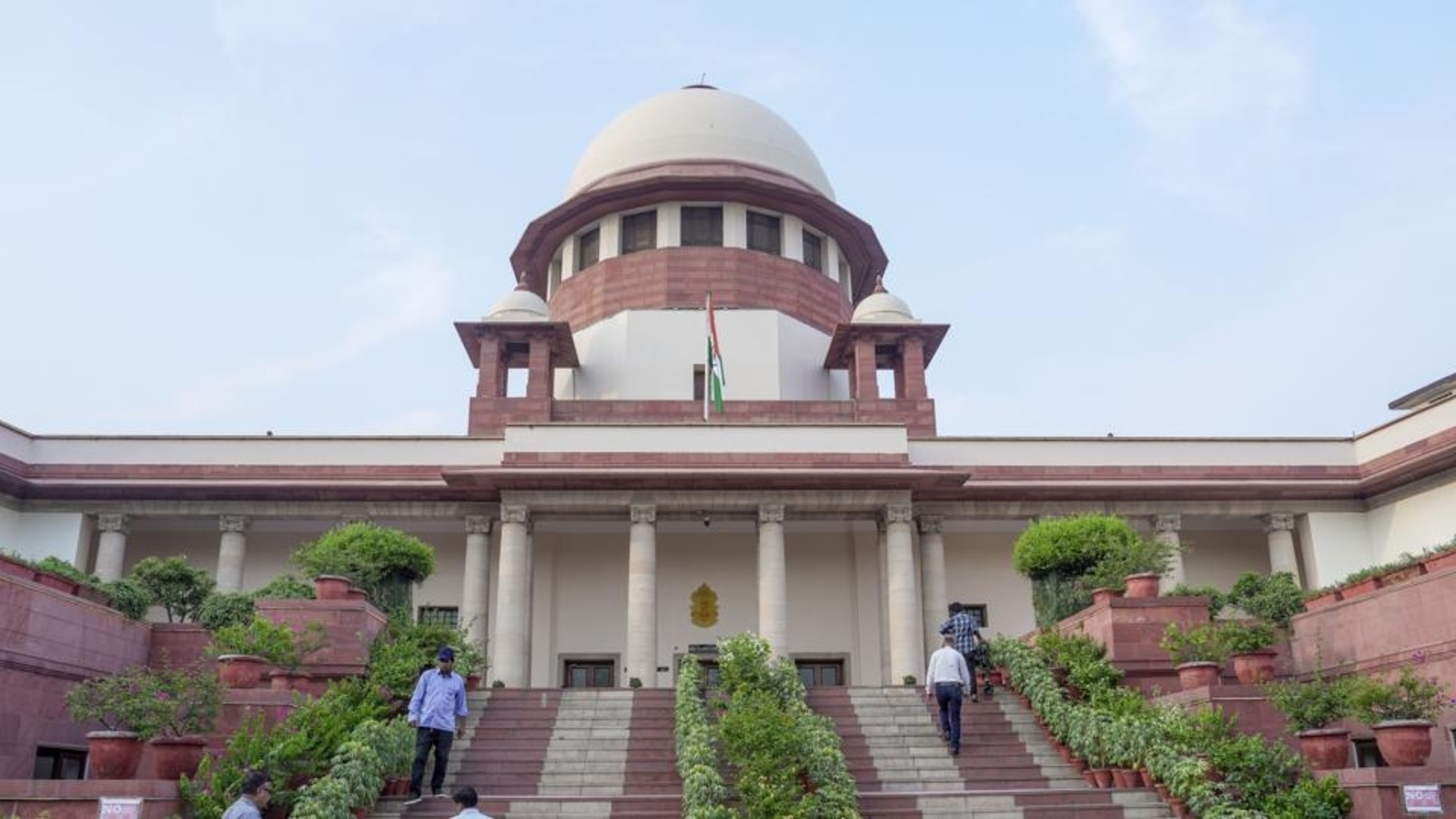
The Supreme Court on Friday raised serious concerns regarding the closure of entrances to 57 Delhi Metro stations ahead of a planned demonstration by the Campaign for Judicial Accountability and Reforms, emphasizing that authorities must not leave thousands of commuters stranded without access to public transit.
During the proceedings, the bench noted that not every citizen owns a private vehicle or has alternative means of travel, making public transportation an absolute necessity for daily life.
While addressing the situation, the court clarified that its primary focus was not on the protesters or any specific individual, but rather on the daily hardships faced by ordinary citizens traveling into Delhi for work, education, and other essential needs.
The bench highlighted the impact on students, working professionals, and elderly residents commuting from surrounding areas like Gurugram, Greater Noida, and various parts of the capital who rely entirely on the metro network.
Although acknowledging that law enforcement agencies possess the authority to implement necessary regulatory measures to maintain order, the court stressed that security protocols should remain proportionate and avoid bringing public transit to a complete standstill.
Warning against disproportionate actions, the bench remarked that preventive measures should only be applied to the extent necessary, using the analogy that authorities should not use a hammer to kill a fly when managing public demonstrations.