


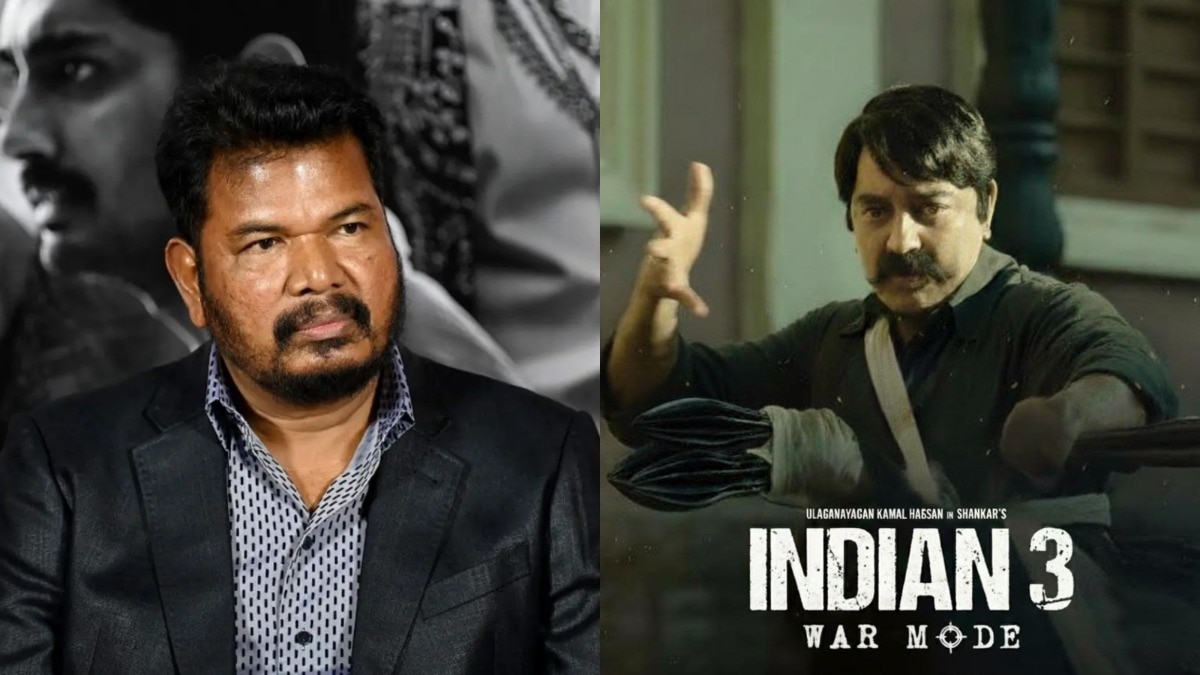
For director Shankar, Indian 3 represents far more than just another title waiting for a theatrical release. It serves as a crucial opportunity to reclaim lost momentum after Indian 2 turned out to be one of the most disappointing ventures of his filmmaking career. Following the official announcement that post-production has resumed on the Kamal Haasan-starrer, a project that many industry observers assumed had been permanently shelved is once again moving forward. However, the pressing question remains whether reviving the franchise is a prudent step or if it risks amplifying the damage inflicted by the second instalment.
The stakes surrounding the project are remarkably high. The original Indian, released in 1996, holds a legendary status in Tamil cinema, largely driven by Kamal Haasan's memorable transformation into Senapathy, an ageing freedom fighter taking matters into his own hands to combat corruption. Nearly thirty years later, Indian 2 arrived with immense anticipation and heavy legacy expectations, only to struggle significantly in justifying its existence to contemporary audiences.
After enduring multiple production delays and scheduling hurdles, Indian 2 finally premiered in 2024 but failed to strike a chord with viewers. Both critics and fans expressed widespread dissatisfaction regarding the screenplay, overall pacing, character performances, and the dated treatment of a narrative core that once felt profoundly relevant. Box office numbers similarly missed expectations, while specific elements like the Varma Kalai sequences and Siddharth's dialogue lines quickly turned into fodder for heavy online ridicule and internet memes.
The core difficulty extended beyond merely failing to match a beloved predecessor. The film made it harder for audiences to emotionally reconnect with the anti-corruption themes that originally made the first movie compelling. Indian 3 must now contend with this accumulated baggage, entering a landscape where viewers have already spent time and resources on a sequel that left many feeling let down.
Interestingly, the most promising indicator for Indian 3 surfaced even before Indian 2 hit screens. A teaser preview attached to the end credits of the second film offered a glimpse into the historical roots of Senapathy's vigilantism, featuring Kamal Haasan playing both the older Senapathy and his father, Veerasekaran Balram. Shifting the focus to examine the character's past experiences and formative influences introduces a fresh narrative dimension rather than simply repeating the modern-day corruption battle framework.
Because the third instalment was filmed simultaneously with Indian 2, a significant portion of its creative direction was established before the negative reception of the second part became apparent. While this could prove beneficial if the remaining footage delivers a cohesive story and a compelling historical context, a brief teaser does not guarantee a successful feature film. Indian 3 must prove that its flashback elements provide meaningful depth rather than serving as an extended, superficial device.
The revival of the project also places director Shankar's recent career trajectory under intense scrutiny. Long celebrated for large-scale spectacles and socially conscious storytelling, Shankar faced parallel criticisms with his subsequent release, Game Changer, demonstrating that visual scale cannot compensate for uneven screenplays and weak characterisation. For Indian 3 to succeed, it requires disciplined writing and emotional stakes that extend well beyond standard vigilante tropes.
Ultimately, whether Indian 3 functions as a successful course correction for Shankar or merely underscores the pitfalls of its predecessor will depend entirely on the final execution. While exploring Senapathy's origins offers a structural advantage, the film must earn audience approval on its own merits rather than relying solely on past nostalgia, Kamal Haasan's enduring stardom, or curiosity surrounding its troubled production history.