


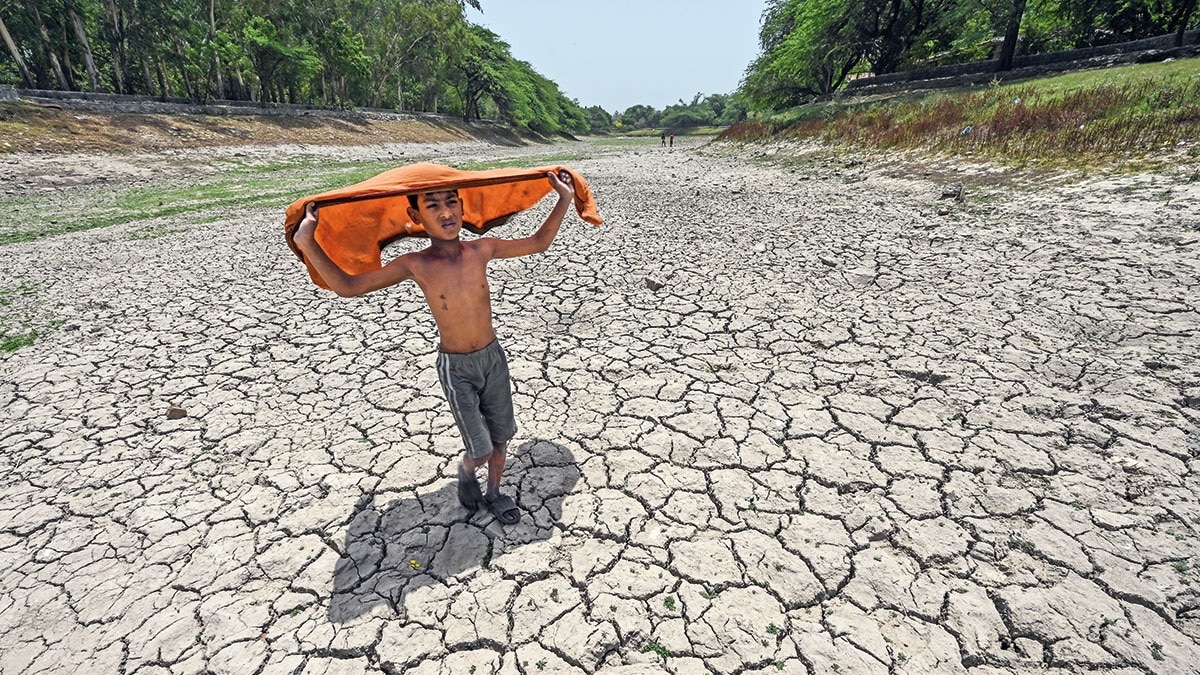
The El Nino climate phenomenon is projected to grow even stronger, peak in December, and continue through February 2027, according to warnings from the World Meteorological Organization. The agency noted that this trajectory significantly elevates the global risk of abnormal warmth and disrupted precipitation patterns.
WMO Secretary-General Celeste Saulo stated that forecasts show a near-certain probability that El Nino will remain active through February 2027, potentially ranking among the most intense events observed since at least 1950. This announcement accompanies agency projections that temperatures in the central and eastern tropical Pacific Ocean will hit unprecedented thresholds.
According to the WMO, sea surface temperatures within the core region of El Nino are anticipated to climb between October and December to levels reaching 3.7 degrees Celsius above normal. That peak would exceed the prior benchmark of 2.6 degrees Celsius observed from November 2015 to January 2016. Saulo explained that the ocean feeding the phenomenon is measuring at its warmest levels ever recorded, meaning a larger reservoir of heat is available for release.
Adding to these findings, Japan’s Meteorological Agency reported that El Nino had already strengthened to its highest level on record starting in September, alongside a total certainty that the pattern will endure through the Northern Hemisphere winter. Monitoring data indicated that sea surface temperatures in the designated zone surpassed long-term averages by 4 degrees Celsius in September, marking the peak since record-keeping began in 1949.
El Nino represents a natural climate cycle characterized by abnormally warm surface waters across the central and eastern tropical Pacific. Emerging periodically every two to seven years, the phenomenon exerts a heavy influence on weather conditions far outside its immediate oceanic origins by elevating global temperatures and shifting regional rainfall. These dynamics heighten drought vulnerabilities in certain areas while escalating heavy downpours elsewhere.
With the phenomenon gaining strength, the WMO anticipates above-average temperatures worldwide as climate consequences stretch toward 2027. These developments arrive against a backdrop of severe global temperatures, highlighted by reports from the European Union’s Copernicus Climate Change Service showing that August global averages tied with July 2023 as the hottest month ever documented.
Researchers at the University of Chicago’s Climate Impact Lab have also projected that the ongoing super-El Nino could contribute to as many as 451,000 excess deaths globally between June 2026 and February 2027 due to associated climate hazards. As the event advances toward its December peak and carries effects into early 2027, monitoring its impacts on agriculture, water availability, and extreme heat remains critical.