


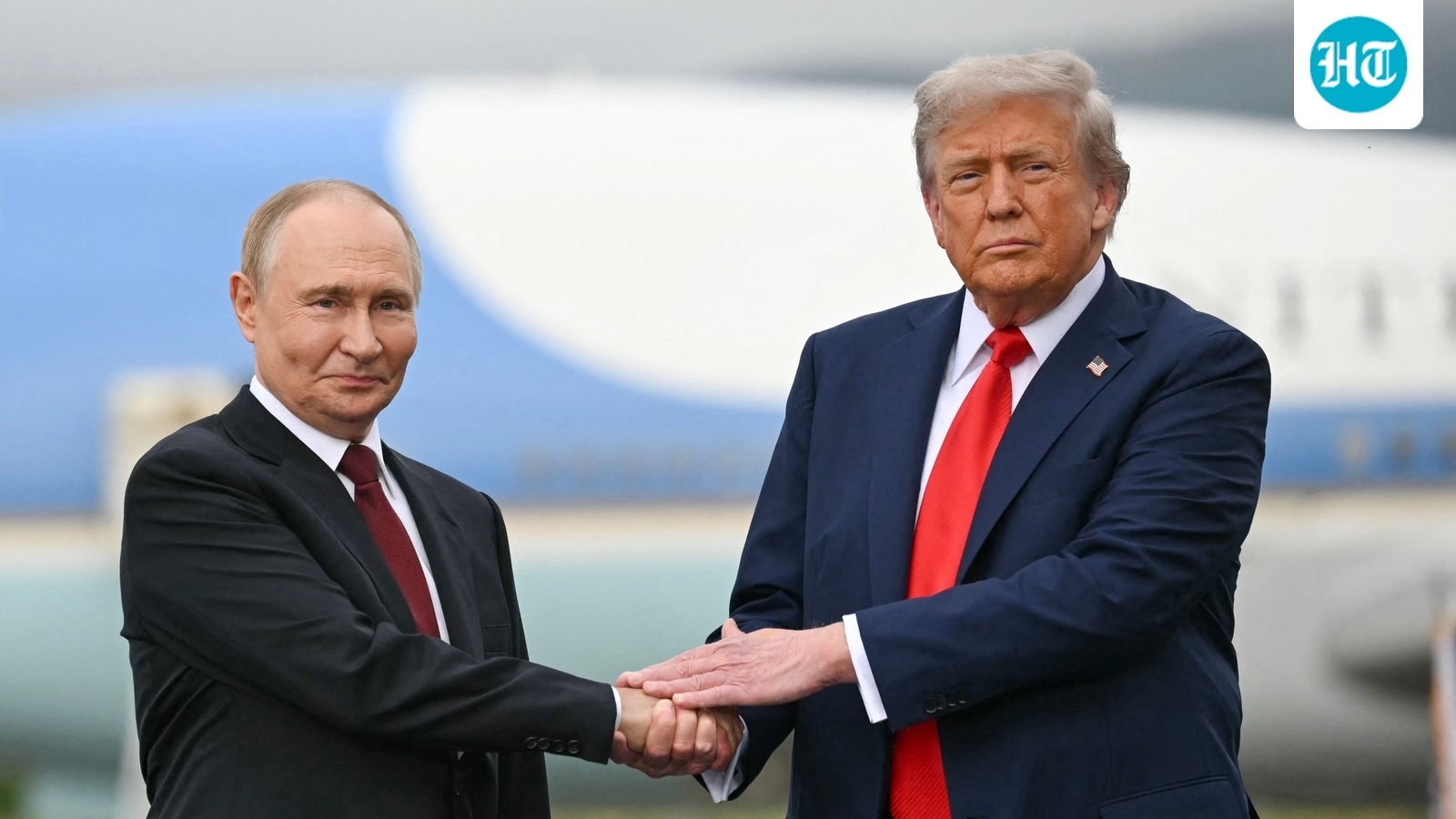
Russian President Vladimir Putin has conveyed Iran's position on a potential resolution to the ongoing conflict in West Asia to US President Donald Trump, operating in coordination with Tehran, according to the Kremlin citing Russian news agencies. Kremlin spokesman Dmitry Peskov stated that Putin communicated these Iranian viewpoints following discussions with Iranian President Masoud Pezeshkian.
Authorities in Moscow did not disclose how Trump responded to the message or elaborate on the specific details of Tehran's proposed terms for ending the hostilities. Diplomatic initiatives aimed at halting the Iran conflict, which has persisted for over seven months following initial US-Israeli strikes in February, have faced repeated deadlocks since the summer months.
Putin met with the Iranian president earlier in the week on the margins of a summit held in Turkmenistan, during which the Russian leader indicated a willingness to assist in mediating a peaceful settlement. Although Washington and Tehran established a memorandum of understanding in June outlining a framework to conclude hostilities, subsequent Iranian maritime attacks in the Strait of Hormuz led to renewed American military actions. Subsequent indirect negotiations on the sidelines of the United Nations General Assembly also concluded without achieving a breakthrough.
In a separate diplomatic exchange, Trump shared concepts concerning the de-escalation of the war in Ukraine during a telephone conversation with Putin, according to the Kremlin. Peskov noted that the Russian leadership received the American proposals with understanding, though Moscow withheld specific details regarding the measures suggested by Washington or the nature of Putin's reply.
Simultaneously, international diplomatic engagement continued as American, Ukrainian, and European officials convened in Miami to pursue potential pathways out of the prolonged military stalemate. These diplomatic tracks unfolded against a backdrop of ongoing violence, as recent Russian aerial strikes in Ukraine's Zaporizhzhia region resulted in multiple casualties, prompting sharp criticism from Ukrainian leadership regarding international policy adjustments on energy trade and sanctions.