


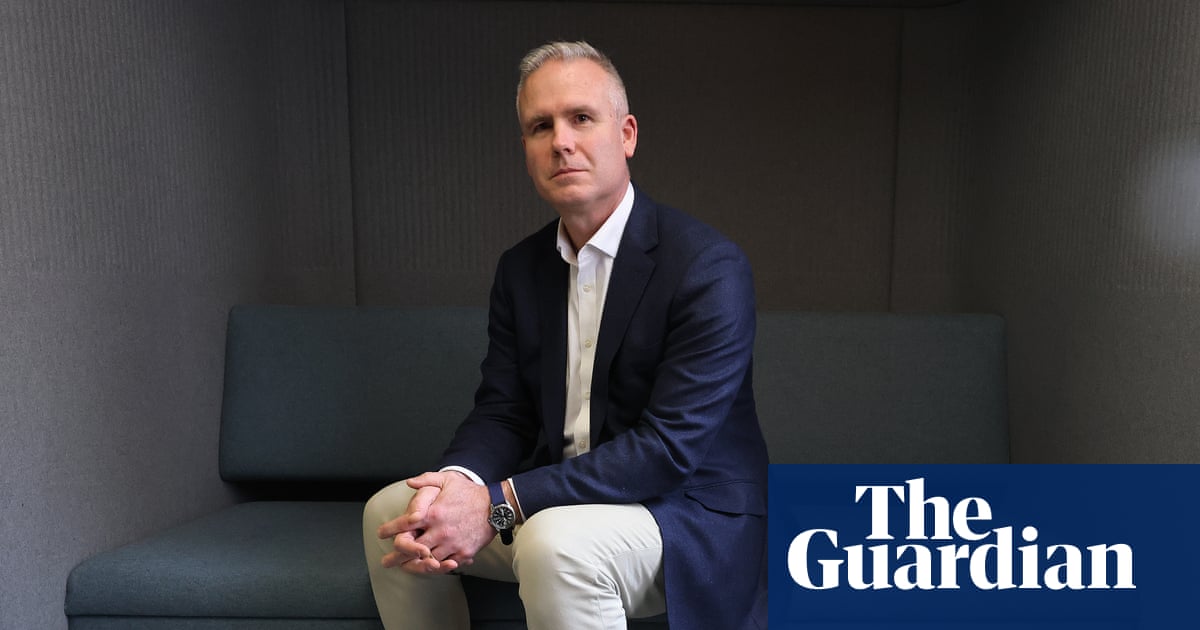
The United Kingdom must avoid becoming reliant on foreign artificial intelligence systems that could face sudden restrictions or be switched off at short notice, according to the head of the Alan Turing Institute. George Williamson stated that achieving a stronger domestic position in artificial intelligence is vital for national resilience, particularly as the United States and China maintain a dominant lead in the sector.
As the UK's leading artificial intelligence research body, the institute is operating under new leadership after the government requested a strategic pivot toward national security and defence applications. Williamson noted that artificial intelligence is becoming deeply embedded in critical services, including defence, national security, critical infrastructure, and healthcare, making it dangerous to rely entirely on systems that the nation cannot fully inspect, control, or access unconditionally.
Recent international events have underscored these vulnerabilities, such as Washington temporarily blocking the release of certain models outside the United States and reportedly asking leading laboratories to withhold models from British safety testers. Williamson emphasized that political and commercial pressures mean the UK might not always have guaranteed access to foreign technology when needed, creating an uncomfortable dependency for any sovereign economy.
To counter these risks and address an increasingly adversarial geopolitical landscape, the Alan Turing Institute will prioritize securing critical systems, countering artificial intelligence-driven threats, and helping shape strategic capabilities for the UK. Williamson noted that the institute can support this transition by producing public-good applications ranging from weather forecasting and farming support to spotting state-backed disinformation campaigns.
Addressing concerns regarding technology originating from China, Williamson pointed out that foreign systems might not align with British values or historical perspectives. While acknowledging that the UK cannot match the financial resources of major international frontier laboratories, he suggested that the country can still develop valuable nationally owned intellectual property and smaller models to support domestic startups.
Williamson also addressed broader existential discussions surrounding artificial intelligence, expressing skepticism toward speculative risk percentages that lack solid scientific grounding. He added that the institute's renewed focus on national resilience will encompass environmental and climate challenges, framing climate change as a critical national security issue alongside traditional defence priorities.