


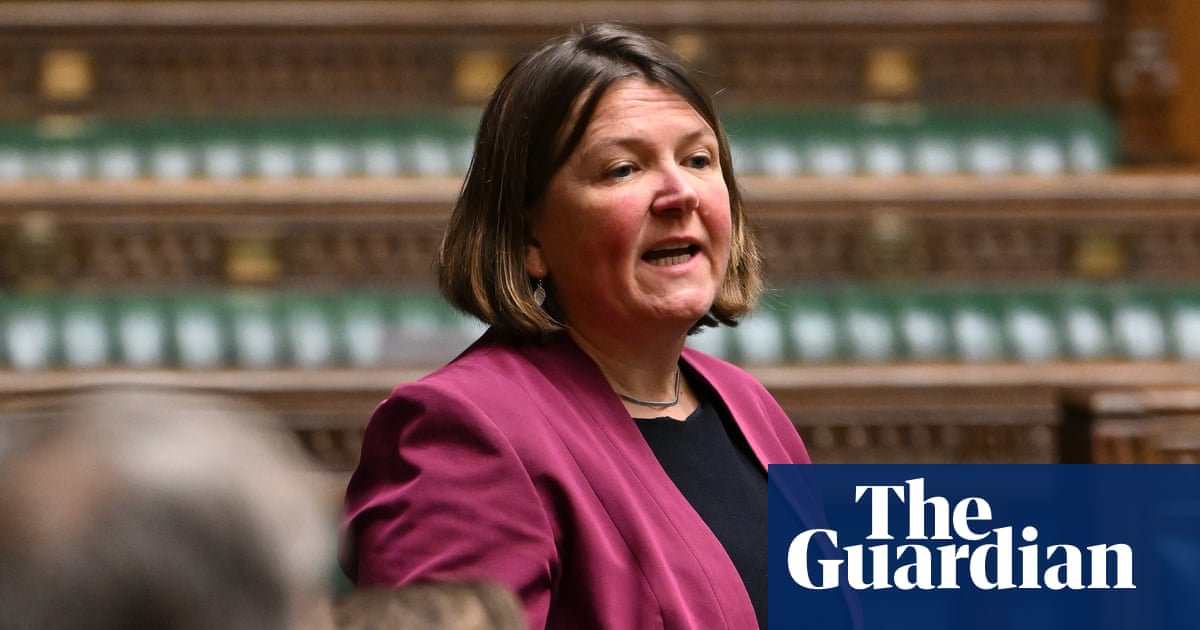
A Green Party Member of Parliament has stated that she wants to ensure her organization is not vulnerable to being captured by extremists and racists, following ongoing fallout from a contested policy vote. The party has faced intense political scrutiny over a decision made at its annual conference to treat Zionism as a form of racism and to support a single Palestinian state instead of a two-state solution. The resolution passed with just over 1,000 votes, representing approximately 0.4 percent of the party's total membership.
Ellie Chowns, the party leader in the House of Commons, argued that the capacity to pass such a significant and damaging policy through such a small fraction of members demonstrates that the party's internal structures and policy-making processes are currently failing. Speaking on a radio broadcast, Chowns asserted that the policy does not reflect the views of the vast majority of Green Party members or the wider public, emphasizing that the party should focus on criticizing the actions of the Israeli government rather than engaging in debates over contested definitions.
The debate over decentralised policymaking structures comes shortly after the party's leader for England and Wales, Zack Polanski, suffered a defeat against Labour in a recent byelection. Despite calls to step down, including from the chair of the Jewish Greens, Polanski stated his intention to remain in his leadership role until the next scheduled election cycle in the summer of 2027.
Chowns described Polanski's lack of leadership regarding the Zionism motion as disappointing, though she noted he still has an opportunity to unite the membership after acknowledging flaws in the proposal. Polanski faced criticism for missing the debate and vote while campaigning in the byelection. He subsequently stated that he would have voted against the motion had he been present, pointing out that amendments he supported regarding Palestinian self-determination were defeated.
When questioned about potential extremism within the organization, Chowns stressed the importance of robust internal processes to guarantee that official policies accurately represent the mainstream membership. While noting that legitimate differences of opinion exist on complex geopolitical matters, she maintained that safeguarding the party's integrity against extremist influence remains a top priority.