


New York: In her essay The Oppositional Gaze, writer and philosopher bell hooks explores how the act of looking has historically carried severe consequences for Black people, who have faced continuous surveillance originating from slavery. Despite these dangers, hooks notes that individuals managed to rebel by secretly observing their surroundings and rejecting the white gaze as the sole framework of reality, allowing them to look back and name what they see. This analytical framework resonates within Edge Control, artist Deana Lawson’s photography exhibition at the Gagosian gallery.
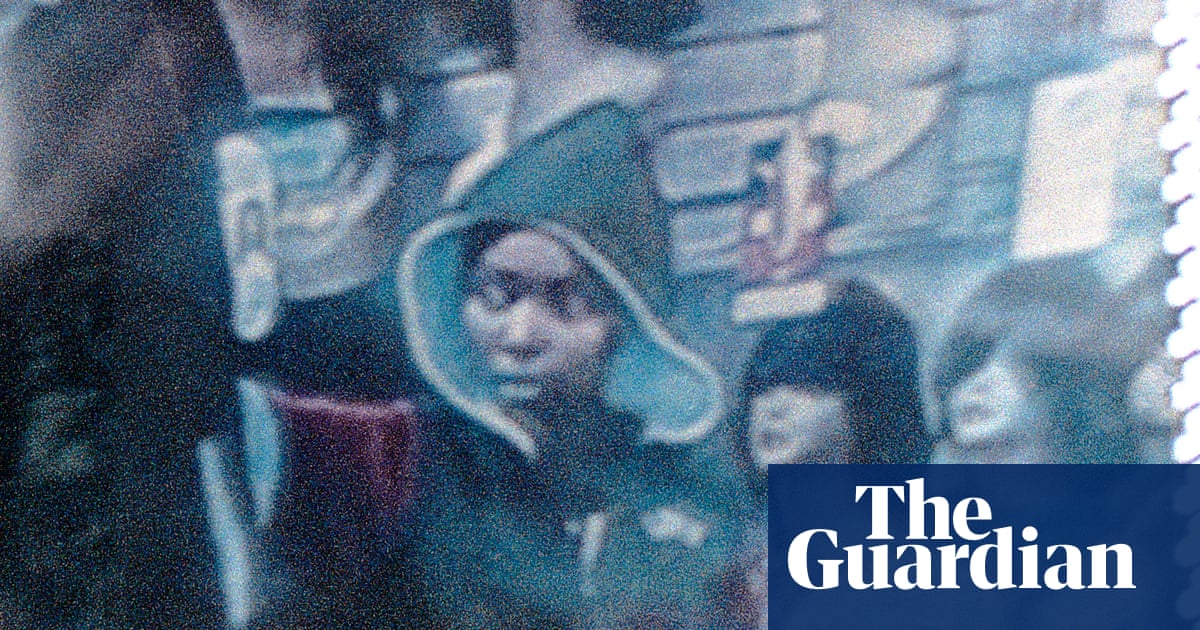
While edge control typically refers to styling products used on a Black woman's hairline, the phrase expands in Lawson's exhibit to investigate the beauty industry, consumerism, and the intersection of race and surveillance. To highlight these themes, Lawson incorporates large-scale photographs of alleged shoplifters taken from security cameras in beauty supply stores. These shops, which predominantly cater to Black haircare needs within Black neighborhoods, are rarely Black-owned and often display small, indistinct surveillance photos as a warning to customers.
Lawson transforms these low-resolution security images by blowing them up into life-size portraits framed by mirrors, compelling onlookers to witness themselves while observing the alleged shoplifters. Passive spectatorship shifts into active participation, a dynamic heightened by holograms in the center of the room that display shifting images of Black women's bodies depending on the viewer's angle. By using evasive, blurry, or partially masked source material, the artist avoids casting moral judgment, instead prompting audiences to question the boundaries between ordinary consumers and suspected criminals.
To establish a sense of neutrality, these surveillance-derived images are juxtaposed with Lawson's signature portraits displayed on the opposite wall, featuring Black men and women in intimate, private settings. Across the exhibition, subjects maintain direct eye contact with the audience, challenging viewers to confront their own personal biases. By placing these contrasting visuals within the same space, Lawson presents Blackness across a complex continuum of everyday life rather than a simplistic binary of behavior.