


New Delhi, Oct 10, 2026 17:30 ISTWellness has firmly established itself in daily discourse, ranging from step-counting and sleep tracking to intermittent fasting, dietary supplements, and specialized treatments designed to boost longevity. Yet, as the market expands, industry leaders and health professionals are questioning whether society is confusing genuine wellness with the pursuit of the latest viral trend.
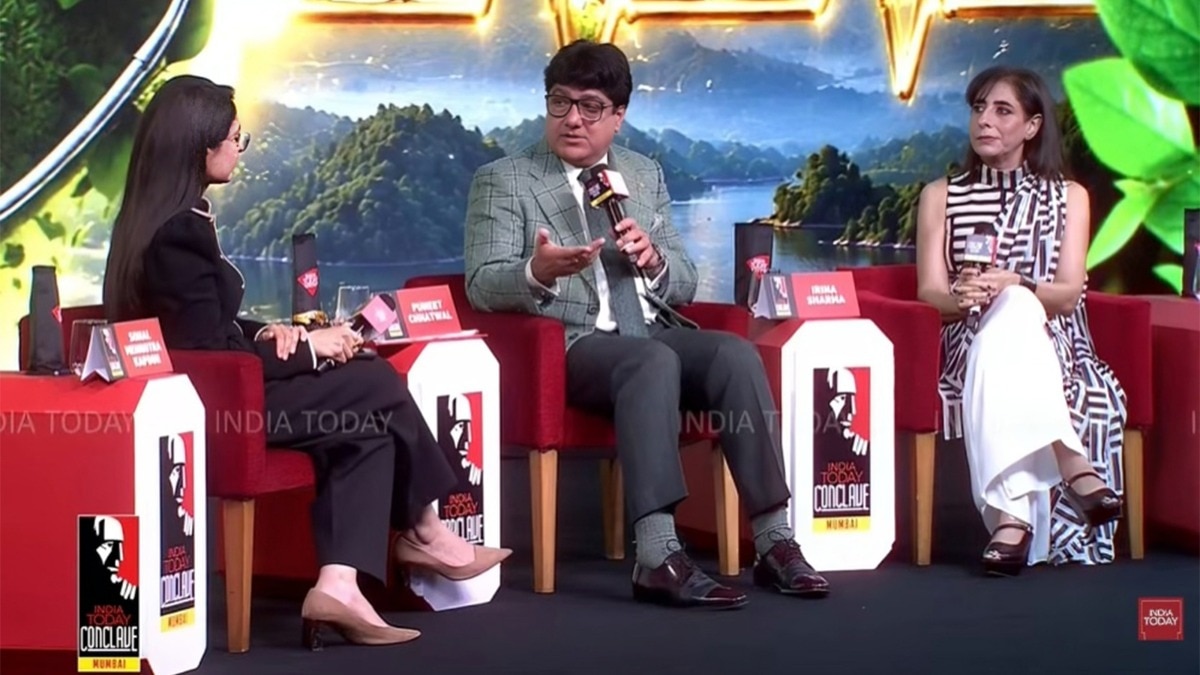
This dilemma took center stage on the second day of the India Today Conclave Mumbai 2026 during a session entitled Wellness Tourism: The New Mark of Luxury. The panel featured Irina Sharma, strategic partner and expert at Austria's VIVAMAYR Medical Health Resort, alongside Puneet Chhatwal, managing director and chief executive officer of Indian Hotels Company Ltd.
While the discussion acknowledged that wellness retreats can assist individuals in forming constructive habits, it highlighted a broader issue: navigating a saturated landscape of health advice to separate beneficial practices from unsuitable fads. Influencers regularly advocate for specific supplements, workout routines, and fasting schedules, creating a widespread impression that health is universal.
However, experts at the conclave stressed that individual biological requirements differ significantly. Irina emphasized the necessity of evaluating a person thoroughly and customizing regimens rather than implementing a uniform protocol for everyone. Similarly, Puneet advised against consuming supplements, purchasing wellness products, or undergoing injections based purely on social media endorsements, urging people to consult qualified medical professionals instead.
The conversation also addressed the rising demand for clinical-style wellness interventions. Irina noted that while the pandemic inspired people to take charge of their health, it simultaneously opened the door for procedures administered outside strict clinical parameters.
Specific concern was voiced regarding advanced treatments such as ozone therapy, hyperbaric oxygen therapy, and intermittent hypoxia-hyperoxia training, which speakers argued should not be categorized as casual lifestyle routines. Furthermore, criticism was directed at the recreational use of intravenous drips for hangovers or at events like weddings, emphasizing the urgent need for heightened regulation and responsibility within the wellness sector.