


The federal government's attempt to reduce the private health insurance rebate for citizens aged 65 and older has stalled in parliament after the Greens refused to back the legislation without a specific exemption for pensioners. The legislative package, originally scheduled for implementation in April 2027, was projected to yield $3 billion in federal budget savings.
This parliamentary setback follows another recent reversal for the administration, which was previously compelled to abandon plans to cap allied health payments for veterans. Under the current framework, Australians aged 65 and older receive an elevated premium rebate, which increases further for individuals 70 and above.
On Wednesday, the Greens joined forces with the Coalition and crossbench senators in the upper house to block the measure. In an unusual parliamentary maneuver, the bill was discharged from the Senate, requiring the government to officially reintroduce it if they wish to pursue the matter further. Health Minister Mark Butler confirmed plans to bring the exact legislation back to parliament.
Butler emphasized the need for proper parliamentary debate and criticized the opposition parties for using the issue for political maneuvers. Freedom of information documents released by the health department indicate that approximately 80,000 older Australians would likely drop their private coverage by the 2028-29 financial year if the changes were enacted.
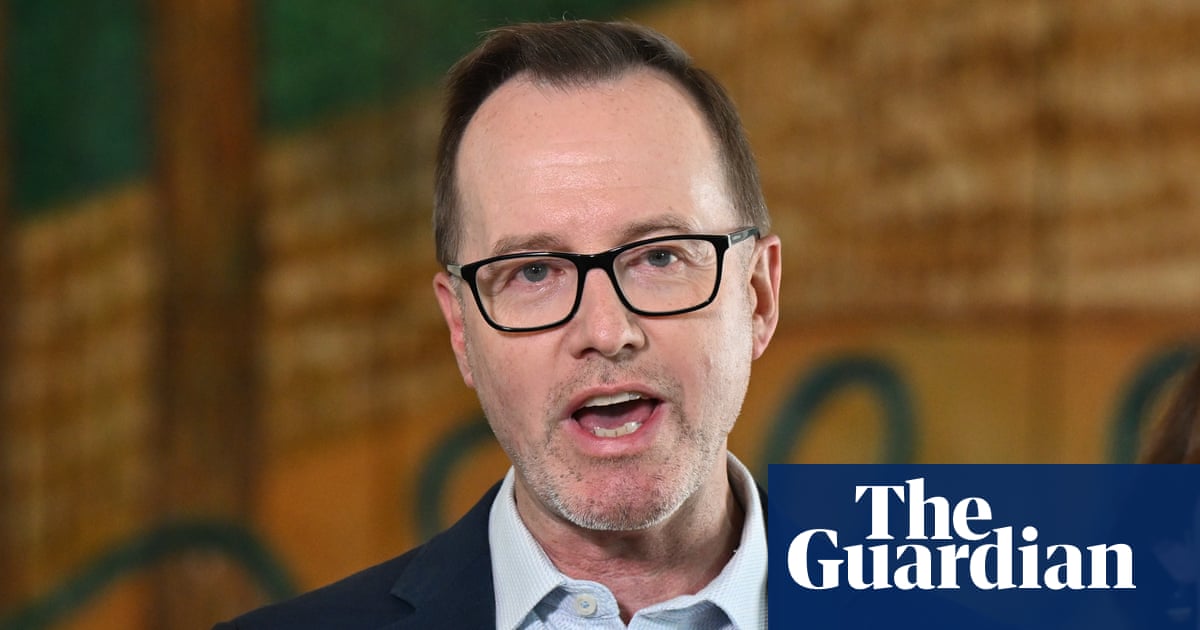
Greens leader David Shoebridge stated that his party would support the measure immediately if the government agreed to protect pensioners. He asserted that the party would not participate in policies that negatively impact pensioners during an ongoing cost-of-living crisis, noting that roughly 1.2 million pensioners should be shielded from the adjustment. Conversely, Butler accused the new Greens leadership of capitalizing on a political opening by aligning with the Coalition.
Stakeholders and advocacy groups also voiced opposition to the proposal. Patricia Sparrow, chief executive of the Council on the Ageing Australia, argued that older citizens should not be forced to compromise their health coverage for everyday expenses or to subsidize aged care funding. Shadow health minister Anne Ruston contended that the policy would have impacted up to 1.5 million pensioners and criticized the administration's fiscal management.
State and territory health ministers raised alarms regarding the potential impact on public health infrastructure. Victorian Health Minister Ingrid Stitt warned against shifting financial pressure onto state hospital systems. New South Wales Health Minister Ryan Park pointed to existing strains caused by inadequate commonwealth aged care placements, while Queensland Health Minister Tim Nicholls and Tasmanian counterpart Bridget Archer similarly argued that the proposed changes would worsen delays and hospital bottlenecks for vulnerable older residents.