


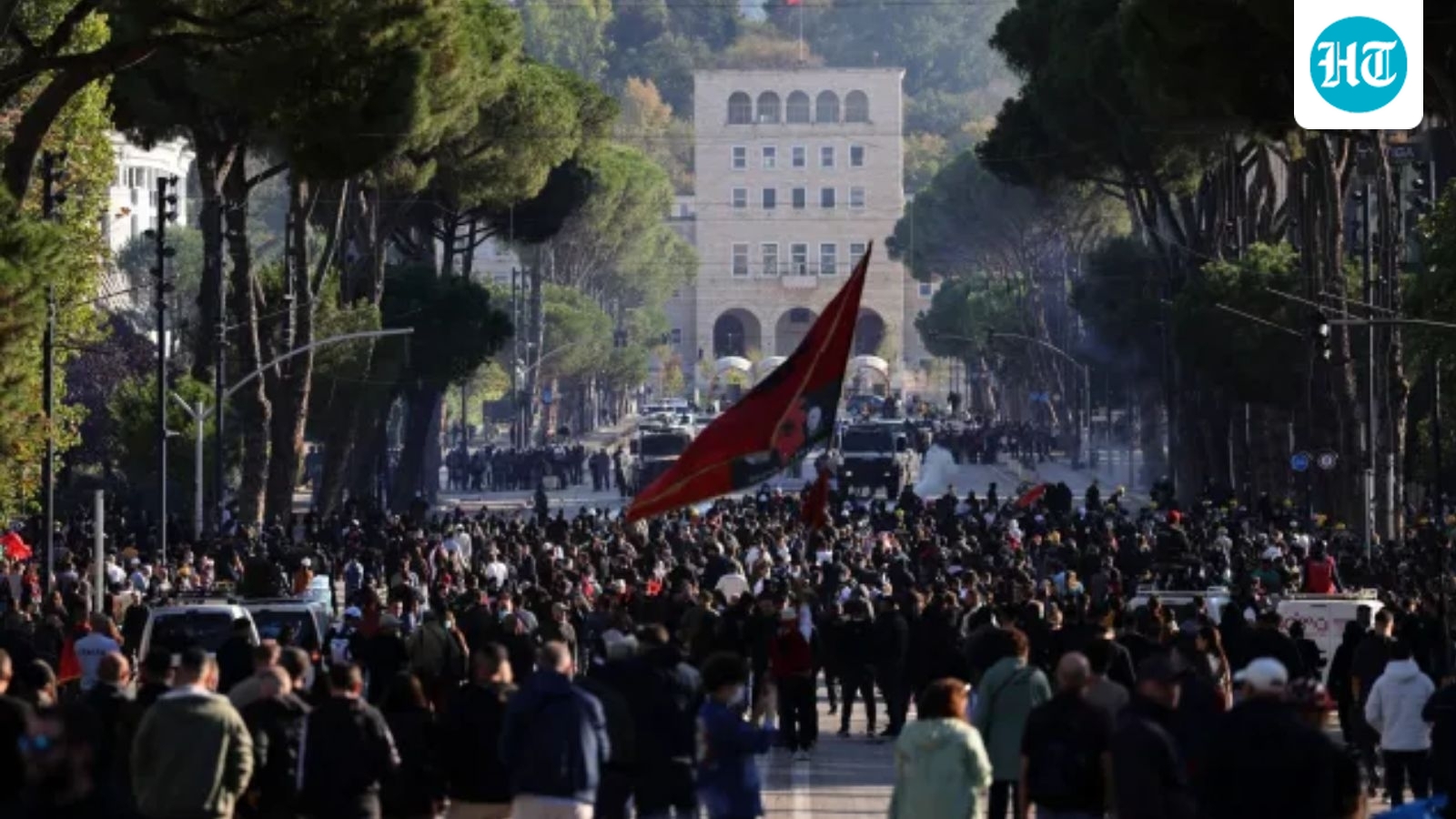
Europe has experienced a wave of civil unrest as surging living costs, economic pressures, and growing frustration over deteriorating public services fuel demonstrations across the continent. From violent clashes and looting in France, Italy, and Albania to long-standing tent camps in Spain and Portugal, protesters are taking to the streets to voice widespread economic anger.
France has implemented heightened security measures, including targeted overnight curfews and gathering restrictions, following a weekend of severe rioting and looting that resulted in approximately 2,400 arrests. The demonstrations, triggered by rising living costs and declining public services, turned violent in multiple cities and impacted thousands of businesses and public buildings. In Limoges, a historic town hall was largely destroyed in a fire during the unrest. Political reactions followed internationally, while French authorities and law enforcement have not attributed the riots to immigration.
Spain is experiencing its own wave of protests centered on education and housing. Teachers in Madrid launched an indefinite strike to demand better wages and working conditions, while housing activists have maintained tent camps in the central Puerta del Sol square for weeks to protest soaring rents and evictions.
In Italy, thousands of citizens joined the Italia in Piazza demonstrations to demand higher salaries, increased job opportunities, and better access to healthcare, education, and affordable housing. These protests unfolded as government data showed inflation reaching 4.2 percent in September. While the demonstrations began peacefully, some later turned violent in cities such as Turin, Bologna, and Milan, where masked participants confronted police, damaged shops, and ignited property fires.
Anti-government protests have also shaken the Albanian capital of Tirana, where tensions escalated after school and university students joined the Flamingo movement. This student participation has reinforced an ongoing opposition campaign demanding the resignation of Socialist Prime Minister Edi Rama. Meanwhile, in Serbia, university students who have led prolonged anti-corruption demonstrations for nearly two years are challenging an attempted political return by former populist leader Aleksandar Vucic in upcoming parliamentary elections.