


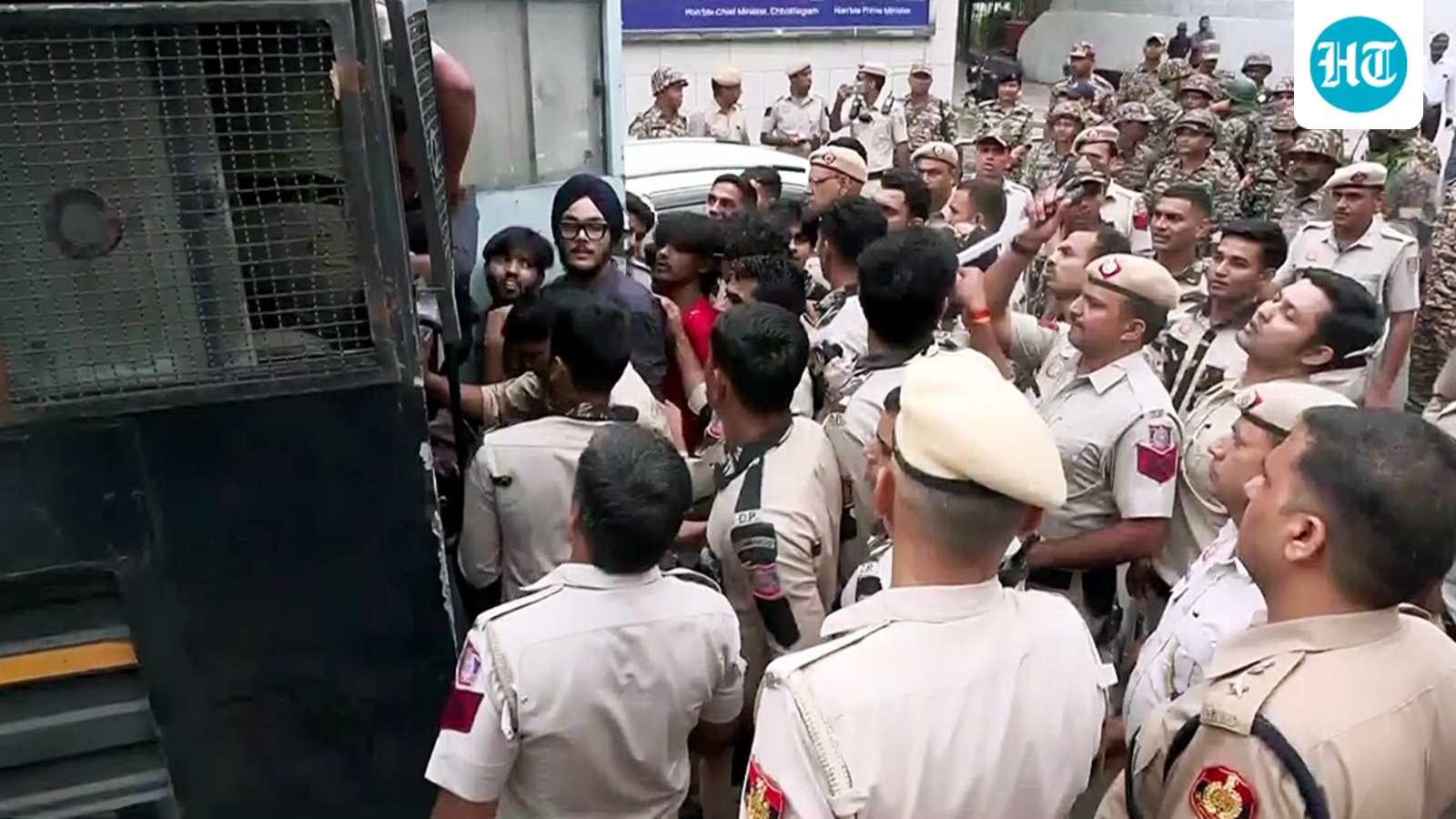
New Delhi: Individuals detained ahead of the October 10 protests in Delhi regarding alleged discrepancies involving the Election Commission of India were provided with meals, tea, coffee, and other refreshments, and were not placed in jails, the Delhi Police informed the Supreme Court in a counter-affidavit. The affidavit was filed in response to contempt proceedings concerning alleged non-compliance with Supreme Court directives on regulating public transport during demonstrations.
According to the police, detained leaders were accommodated within police station offices rather than lock-ups or jails. The detainees were released within a few hours, well before the maximum 24-hour period permitted under relevant provisions, and were allowed to leave once the circumstances requiring their removal had ended. Commissioner Anurag Kumar defended the denial of permission for the anti-CEC protest at Jantar Mantar, stating that individuals were removed under Section 65 of the Delhi Police Act and Section 172 of the Bharatiya Nagarik Suraksha Sanhita where Section 163 orders were active.
The affidavit noted that those removed were kept in makeshift centres, served hot and fresh meals, and released within two to six hours. Political leaders were accommodated in Station House Officer chambers and offered refreshments. The Delhi Police maintained that the preventative detentions successfully averted a major public order situation through timely, proportionate, and lawful measures.
Commissioner Kumar described the actions as proportionate to the objective of preserving law and order and preventing harm, noting the organization's prior history of mob violence and property destruction during NEET exam-related protests on July 20. The police commissioner cited the unauthorized nature of the July march and alleged breaches of written undertakings regarding participant limits and unapproved marches toward Parliament as the basis for restricting the subsequent October mobilisation.