


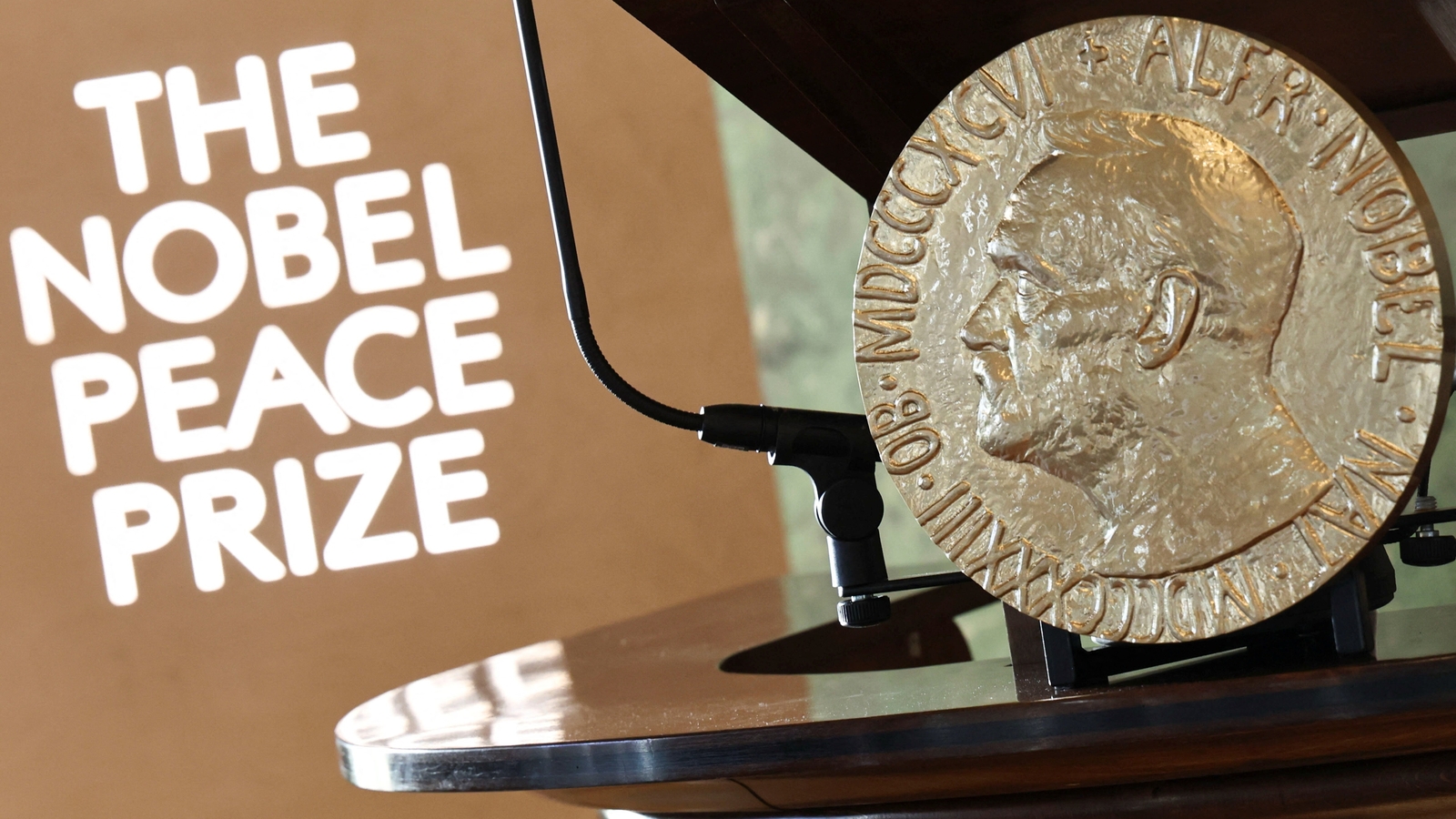
The Nobel Peace Prize for 2026 has been granted to Navanethem Navi Pillay in recognition of her tireless work advancing peace and international law. According to the Nobel Prize committee, Pillay's career has been anchored by her steadfast moral compass and dedication to universal legal principles. From her early days defending anti-apartheid figures like Nelson Mandela to her tenure presiding over major international tribunals, her path reflects a consistent defense of justice.
Born into a family of Tamil descent in Durban, South Africa, Pillay pursued a legal education and started her own law firm in 1967. She later pursued advanced studies at Harvard University, earning her Doctor of Juridical Science degree in 1988 while actively defending activists opposing the apartheid regime.
In 1995, Pillay joined the high court of South Africa. She was subsequently appointed as a judge and President of the International Criminal Tribunal for Rwanda in 1999. In that role, she earned widespread recognition for establishing pivotal legal precedents determining that rape, sexual violence, and propaganda could serve as grounds for indictments involving genocide and crimes against humanity.
Following her time at the tribunal, Pillay served as a judge on the International Criminal Court and held the post of United Nations High Commissioner for Human Rights from 2008 to 2014. Her extensive international service also includes chairing the UN Independent International Commission of Inquiry on the Occupied Palestinian Territory from 2021 to 2025, alongside serving as an ad hoc judge starting in 2019 on the International Court of Justice for a case accusing Myanmar of genocide.
Throughout her decades-long career, Pillay has consistently challenged national leaders and governments to answer for abuses while offering support and hope to victims of conflict. Across every institutional role she has undertaken, she has continually stressed the obligation of both individuals and sovereign states to respect the rule of law.
The Norwegian Nobel Committee in Oslo evaluated a pool of 287 nominees for the 2026 award, with organizations accounting for roughly a quarter of the total candidates. Observers noted that the committee frequently highlights the quiet contributions of institutions and individuals who work to sustain peace and international cooperation over the long term.