


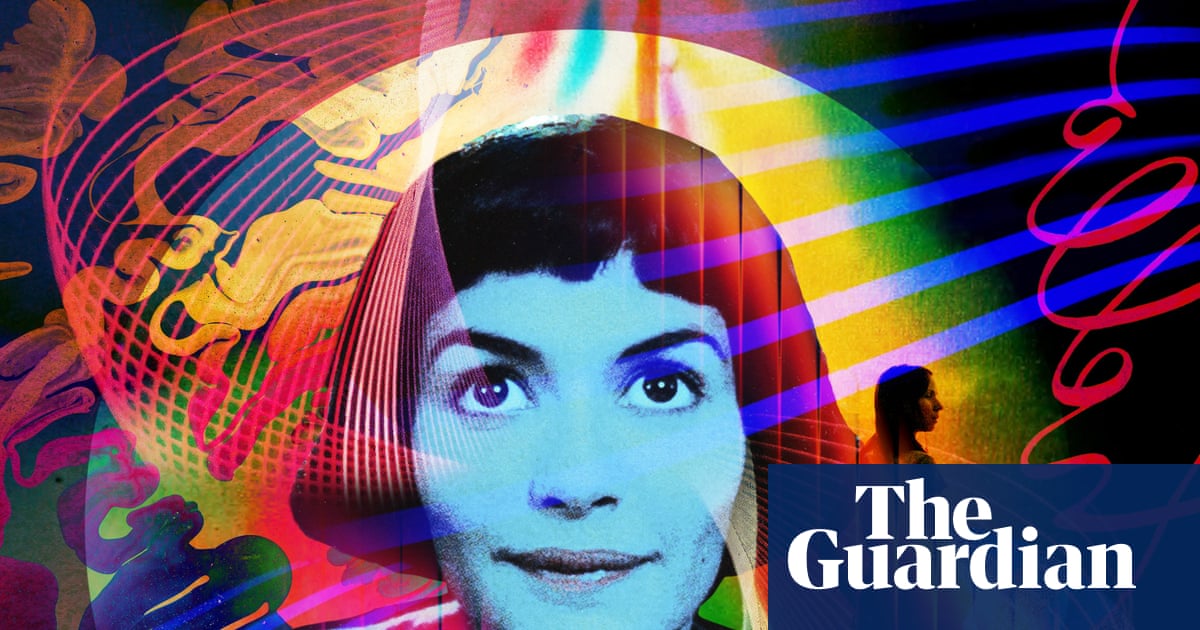
For one writer, discovering the 2001 French film Amélie on a DVD player while studying at the University of Cambridge marked a profound turning point in self-understanding. The movie presented a character who navigated the world with distinct sensory sensitivities, specific likes and dislikes, and a strong sense of social justice. While earlier films featured eccentric female characters who resonated with neurodivergent viewers, Amélie was the first time such a person took center stage as the titular protagonist, allowing audiences to experience the world directly through her perspective.
Childhood experiences had already hinted at neurodivergence, marked by a preference for solitude, difficulty understanding peers, and intense special interests. Because diagnostic criteria historically focused on male presentations of autism, and girls frequently mask their traits to blend in, a formal diagnosis did not happen until the writer was in her early twenties. Yet, much like the character on screen, labels mattered less than the profound sense of recognition.
The film subtly incorporates neurodivergent traits throughout its runtime. During the opening credits, the young protagonist engages in self-regulatory movements such as hand-flapping, spinning coins, and running fingers along the rims of glasses. As an adult, her experiences of sensory overload on the Paris Métro are vividly portrayed through specialized cinematography and intensified sound design, while her emotional states are mirrored in her physical environment, from glowing warm tones to melting entirely onto the floor.
Revisiting the film years later deepens the connection, bringing an urge to reassure both the character and the younger version of herself about facing the unknown. Reflecting on personal growth, including the successful launch of a book and organizing community film screenings for autistic audiences, highlights how far things have come since those isolated years in university rooms and libraries. Echoing advice given by the Glass Man to Amélie in the film, the journey has proven that it is possible to withstand life's challenges, overcome fear, and truly take up space in the world.