


By the fourth or fifth day of Navratri, individuals may notice a heavier feeling in their stomach as regular meals like roti, dal, and sabzi are replaced by traditional vrat foods. Altered meal timings and eating habits, such as starting the day with only tea, fasting until the afternoon, and then consuming a large plate of puris due to intense hunger, can contribute to digestive issues. Reduced water intake, altered fibre consumption, and extended gaps between meals often lead to bloating and discomfort.
However, fasting does not require giving up favorite seasonal foods. According to culinary nutrition and holistic wellness coach Eshanka Wahi, portion sizes, meal schedules, and overall nutritional balance significantly influence how the body reacts during a fast. Consuming specific foods in large portions or after long fasting periods can trigger gas, bloating, and excessive fullness. Seven common fasting items require careful management.
The first category involves fried kuttu or singhara puris and pakoras. While buckwheat and water chestnut flours are staples during Navratri, deep-fried items can prove difficult to digest, particularly in large quantities following hours of fasting. High-fat meals delay stomach emptying, leading to prolonged fullness. Wahi recommends avoiding fried preparations at every meal and balancing them with curd or suitable vegetables depending on individual fasting rules.
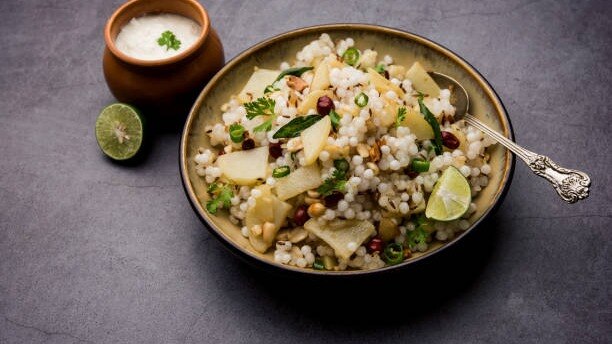
The second item is sabudana khichdi and vada. While sabudana supplies carbohydrates for energy, it remains relatively low in protein and fibre when eaten alone, and large portions can cause excessive fullness. Adding peanuts and pairing the dish with curd can introduce necessary protein and fat for a more balanced meal.
Potatoes make up the third category. Frequently consumed to maintain energy levels during Navratri, relying continually on potatoes, sabudana, and fried items limits dietary variety. Including other permitted fasting foods like bottle gourd or pumpkin can help diversify nutrient intake.
Consuming too much dairy at once represents the fourth concern. Milk, paneer, lassi, and kheer provide vital nutrition, but ingesting large quantities of multiple dairy products simultaneously can distress individuals with lactose sensitivity, resulting in gas and abdominal discomfort. Spreading dairy consumption across the day or identifying suitable alternatives can mitigate these symptoms.
Sweets on an empty stomach form the fifth consideration. Festive treats like halwa are common during celebrations, but eating large amounts after long gaps between meals can cause digestive distress. Moderating portions and enjoying sweets after a meal rather than using them to satisfy severe hunger helps prevent discomfort.
Large bowls of fruit after long gaps constitute the sixth point. Although fruits supply essential vitamins, water, and fibre, consuming massive portions at once can provoke bloating. Fermentable carbohydrates in certain fruits may trigger gas in sensitive individuals, making portion awareness crucial.
Finally, large portions of makhana and nuts act as the seventh food group. Frequently utilized as snacking options, nuts and seeds are energy-dense and can cause discomfort if consumed continuously throughout the day. Eating a satisfying, controlled portion instead of habitual snacking prevents excessive fullness.
To reduce bloating and maintain comfort during Navratri, several simple habits can help. Eating at regular intervals rather than relying solely on tea for most of the day manages hunger effectively. Balancing carbohydrates with protein, staying consistently hydrated, chewing slowly to minimize swallowed air, and taking a gentle walk after meals all support better digestion. Focusing on portion control, meal balance, and individual tolerance ensures that fasting remains both traditional and nutritionally supportive.