


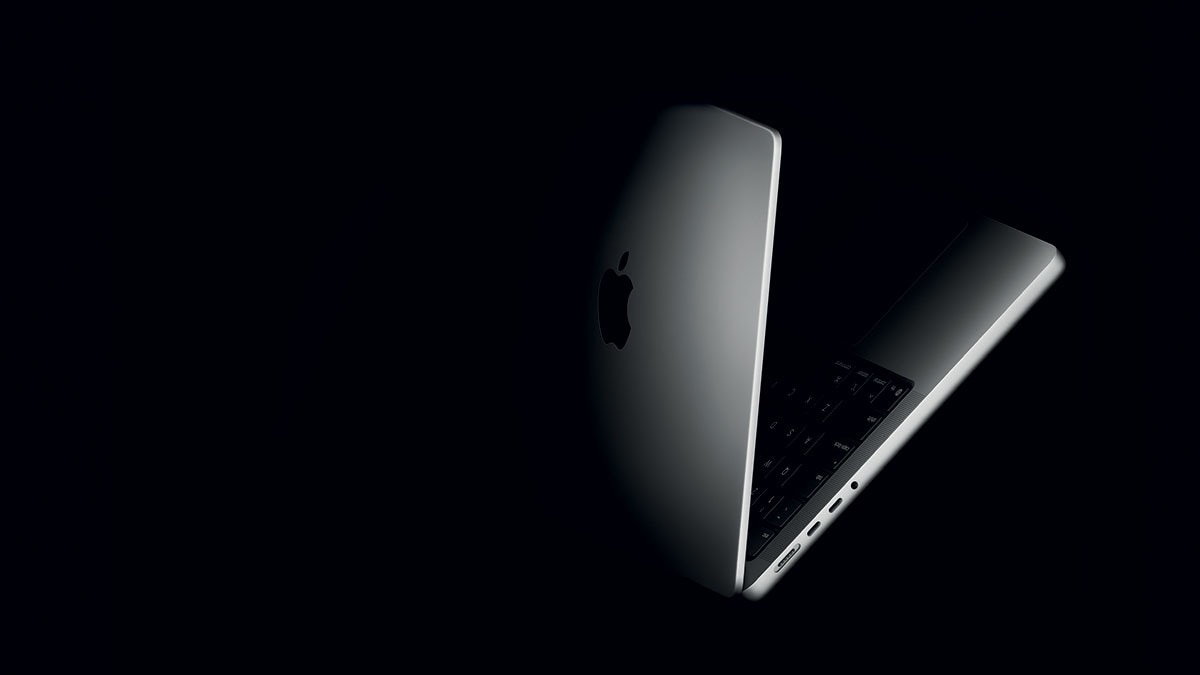
October is shaping up to be a busy month for Apple with a potential two-event schedule, following a recent smart home product unveiling. Reports indicate that another presentation is slated for October 27, where the main attraction is expected to be the debut of the first MacBook Pro equipped with an OLED touchscreen.
This move would represent a major milestone for the Mac lineup, which has historically avoided touch interfaces for decades. Alongside the anticipated MacBook Pro, industry reports suggest the event could also introduce a new iPad mini with an OLED display, alongside a 14-inch MacBook Pro and an iMac powered by the M6 chip.
Regarding the purported OLED MacBook Pro, some industry speculation suggests the device might carry the MacBook Ultra moniker. A primary focus of the new laptop is its advanced display technology, which is expected to replace the existing mini-LED panels with OLED screens. OLED technology allows individual pixels to turn off independently, delivering deeper blacks, richer colors, and enhanced contrast ratios that will likely appeal to creative professionals like video editors and photographers, though mini-LED panels can sometimes achieve higher peak brightness levels.
Another significant addition is the touchscreen functionality, enabling users to interact with the display through taps and swipes similarly to an iPad. Apple reportedly views touch as a complementary input method rather than a substitute for traditional controls, meaning the physical keyboard and trackpad will remain primary. To prevent screen wobble during tactile interaction, rumors suggest Apple has engineered a reinforced hinge. Clues pointing toward this shift have appeared in macOS Golden Gate software references, which feature direct touch input for Sidecar and smartphone-style pull-to-refresh gestures within applications like Safari and Mail.
In terms of physical design, the conventional display notch is expected to be eliminated in favor of the Dynamic Island interface popularized on iPhones. This hardware evolution could also help unify Siri artificial intelligence behaviors across both macOS and iOS ecosystems. Furthermore, the laptop is anticipated to feature a lighter chassis available in both 14-inch and 16-inch configurations, marking the most substantial structural redesign since the introduction of the M1 Pro and M1 Max models in 2021.
Under the hood, reports indicate that Apple may bypass immediate M6 Pro or M6 Max iterations, opting instead for M5 Pro and M5 Max processors to avoid waiting for the subsequent M7 generation. A follow-up second-generation release utilizing M7 Pro and M7 Max architecture is tentatively projected for late 2027 or early 2028.
Pricing for the upcoming device is expected to sit at a premium tier. Following previous price adjustments that placed the 14-inch M5 Pro MacBook Pro starting at Rs 239,900 and the 16-inch variant starting at Rs 359,900, the OLED configuration is anticipated to command an even higher cost, though exact retail pricing remains unconfirmed.