


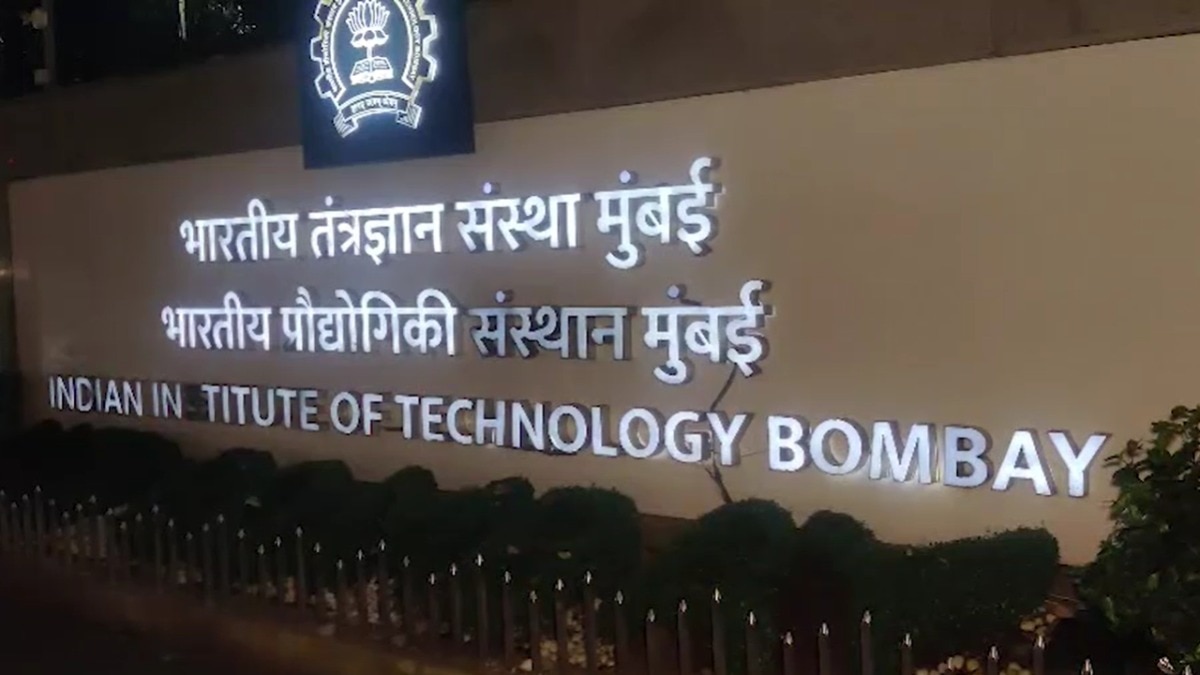
The Indian Institute of Technology Bombay has resumed its postponed mid-semester examinations on October 10 and 11 under tighter examination protocols, while reverting to its 2015 rules on academic malpractice that prescribe comparatively lighter penalties for cheating.
The examinations were suspended following the death by suicide of second-year BTech student Sahil Wakode on September 18, after he was found using a mobile phone during an examination. The incident triggered student protests and renewed debate over the institute’s disciplinary procedures and student welfare measures.
According to instructions issued by the Office of the Dean (Academics) a day before the start of the mid-semester exams, students and teaching assistants must report to examination venues 30 minutes before the scheduled start.
Students are required to leave mobile phones, bags, books and other unauthorised materials outside the examination building and may be checked for prohibited items. Students must be seated at least 10 minutes before the examination begins, with entry prohibited 30 minutes after the paper starts. Only identity cards and essential stationery are permitted inside the examination hall, except for materials authorised during open-book examinations.
The institute has also reverted to its April 2015 academic malpractice rules, replacing the stricter disciplinary framework introduced in July 2026. Under the July rules, students found carrying a mobile phone into an examination could face an FR grade and suspension for a semester. Under the 2015 framework, carrying a phone attracts a one-grade reduction, while using it during an examination can result in an FR grade.
The change follows a special meeting of the institute’s Senate, which considered concerns about how allegations of examination misconduct are handled and the consequences students may face.
Following Wakode’s death, students staged protests and submitted an 18-point charter of demands to IIT Bombay Director Shireesh Kedare, seeking changes to examination procedures, student welfare measures and mental health support.
The institute subsequently formed an eight-member committee comprising four faculty members and four student representatives to review examination protocols and recommend a clearer process for dealing with suspected malpractice.
While the committee has submitted its report to the Senate, proposals concerning the handling of suspected cheating cases are yet to be finalised.
The renewed examination protocols reflect the institute’s effort to maintain examination integrity while reviewing its approach to disciplinary action.