

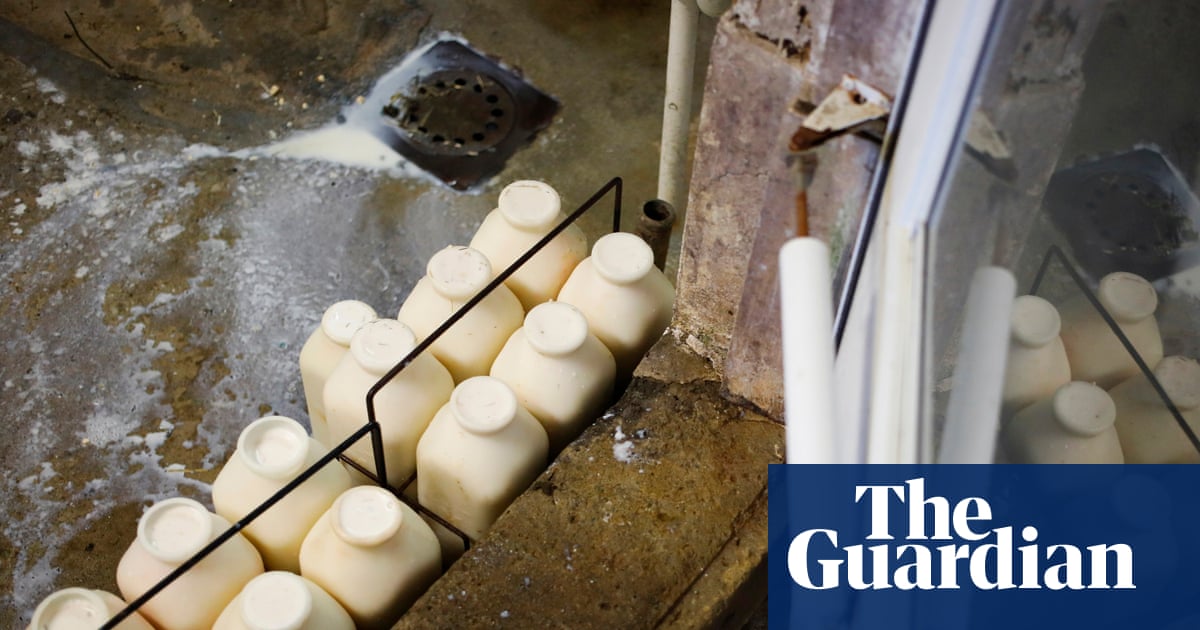
As unpasteurized milk grows increasingly popular among consumers across the United States, a rising number of disease outbreaks tied to the product has sparked alarm among public health officials. Last week, the American Academy of Pediatrics called for a total ban on the sales of raw milk nationwide.
Medical professionals note that the surge in raw milk consumption is partly driven by social media influencers promoting its purported health benefits, along with broader distrust in government regulators. Proponents, including some prominent political figures, have previously advocated for the beverage and criticized federal oversight. However, the Food and Drug Administration and major public health organizations maintain that there is no scientific evidence supporting claims that raw milk cures allergies, boosts immunity, or reduces lactose issues.
While raw milk producers argue that pasteurization strips away flavor and health benefits, public health experts stress that the heating process is critical for eliminating dangerous pathogens. Milk pasteurization became standard practice in the United States during the late 19th century, leading to a dramatic drop in infant mortality rates. Although the FDA banned the interstate sale and distribution of raw milk in 1987, individual states have continued to regulate intra-state sales, with many loosening restrictions over the last decade. Market research firm Circana reported that raw milk sales increased by 17.6% in 2024 alone.
Farmers and producers attribute the rising demand partly to post-pandemic shifts in consumer behavior and a growing skepticism toward traditional food safety guidelines. Operations utilizing legal loopholes such as herd-share agreements have reported significant annual sales growth since 2020. Proponents often point to older European studies suggesting farm milk consumption might offer protection against asthma and allergies, but public health agencies note that those studies relied on boiled milk samples or lacked clear distinctions regarding raw milk status, rendering the findings insufficient to recommend raw milk as a preventive measure.
Despite stringent in-house and third-party testing protocols implemented by some dairy farms to ensure safety, public health concerns persist. Recent public health data highlights multiple illnesses and hospitalizations linked to unpasteurized dairy products, including an E. coli outbreak affecting young children across several states. Infectious disease specialists emphasize that raw milk poses a severe risk to young children, who possess less developed immune systems and are more susceptible to severe illness. Public health advocates argue that stricter bans and renewed efforts are necessary to rebuild public trust in pasteurization systems that have protected consumers for over a century.