

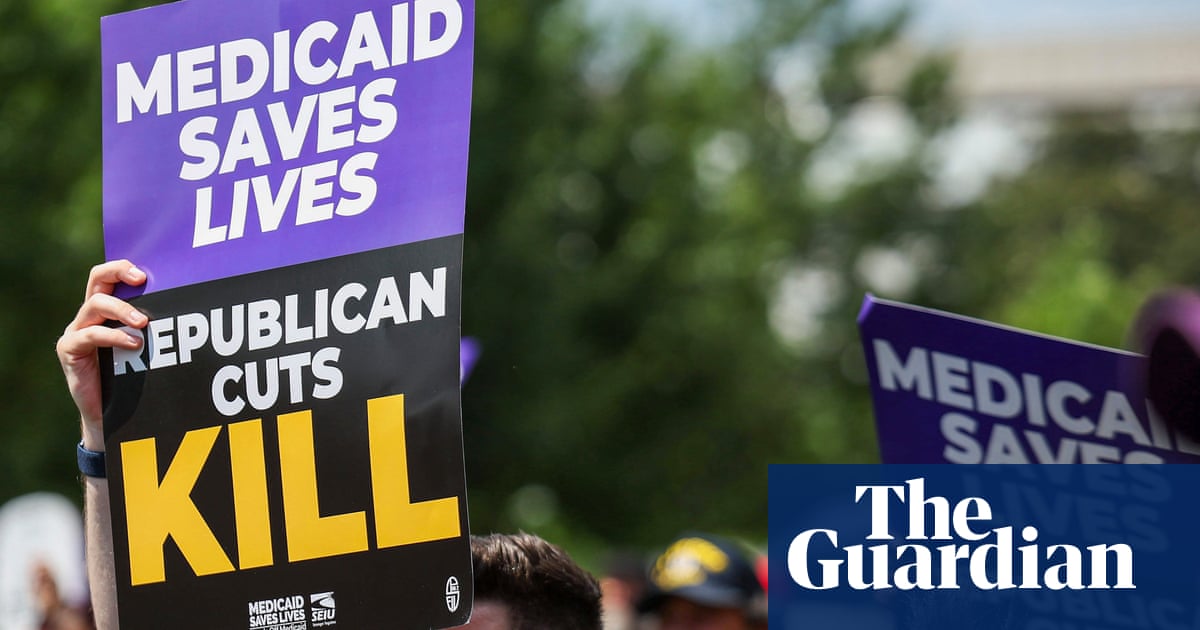
Maternity wards across the United States are facing a wave of closures as cuts to federal Medicaid funding take effect, according to warnings from healthcare experts. Analysis by the non-profit advocacy group Protect Our Care indicates that 52 maternity wards have closed since the HR1 bill was announced in July 2025, with an additional eight facilities announcing upcoming closures.
The legislation, set to take full effect in the new year, introduces stricter work requirements and more frequent eligibility checks for adults covered by Medicaid, alongside reductions in federal funding sent to states. Facilities such as the Centra Southside Community hospital in Virginia and St Mary’s Sacred Heart hospital in rural north-east Georgia have already permanently closed their maternity units, explicitly citing impending federal policy shifts regarding Medicaid.
Industry experts expect the trend of hospital unit closures to accelerate leading up to and following the implementation of the new rules. Erin Jones, senior director of legislative and strategic counsel for the non-profit March of Dimes, expressed deep concern that these regulatory updates are exacerbating an already serious national crisis in maternity care, putting heavy pressure on state budgets and community hospitals.
Rural communities are expected to bear the brunt of the consequences. The March of Dimes has identified 31 at-risk rural hospitals that maintain labor and delivery services, warning that their potential closure could leave 96 counties entirely without a local unit for childbirth. Because about 40% of all US births are financed through Medicaid, and the nation maintains one of the highest maternal mortality rates among high-income countries, losing these regional providers creates severe safety risks.
Benjamin Sommers, a healthcare economics professor at the Harvard T.H. Chan School of Public Health, noted that while the legislation supposedly includes exemptions from work requirements for pregnant women, many individuals are not formally enrolled in the specific Medicaid pregnancy pathway. As a result, states may remain unaware of a patient's pregnancy status, leading to unexpected coverage terminations for vulnerable mothers.
Vaishu Jawahar, director of policy and programs at Protect Our Care, pointed out that trillion-dollar cuts to Medicaid directly drain revenue from hospitals. Because labor and delivery departments are notoriously expensive to operate, struggling facilities operating in the red frequently target maternity wards when making difficult financial cuts.
At the same time, the broader monitoring of maternal health has faced disruptions. Earlier in 2025, the entire team managing the Centers for Disease Control and Prevention pregnancy risk assessment monitoring system was placed on administrative leave by the administration. An upcoming report by academics and former CDC staff warns that this action has severed access to a critical four-decade-old data surveillance system used to track maternal and infant health trends.
Researchers like Rita Hamad, a professor of social epidemiology and public policy at Harvard, caution that the combination of safety-net funding cuts and the loss of tracking data will likely widen existing geographical and maternal health disparities while blinding researchers to emerging public health crises.