


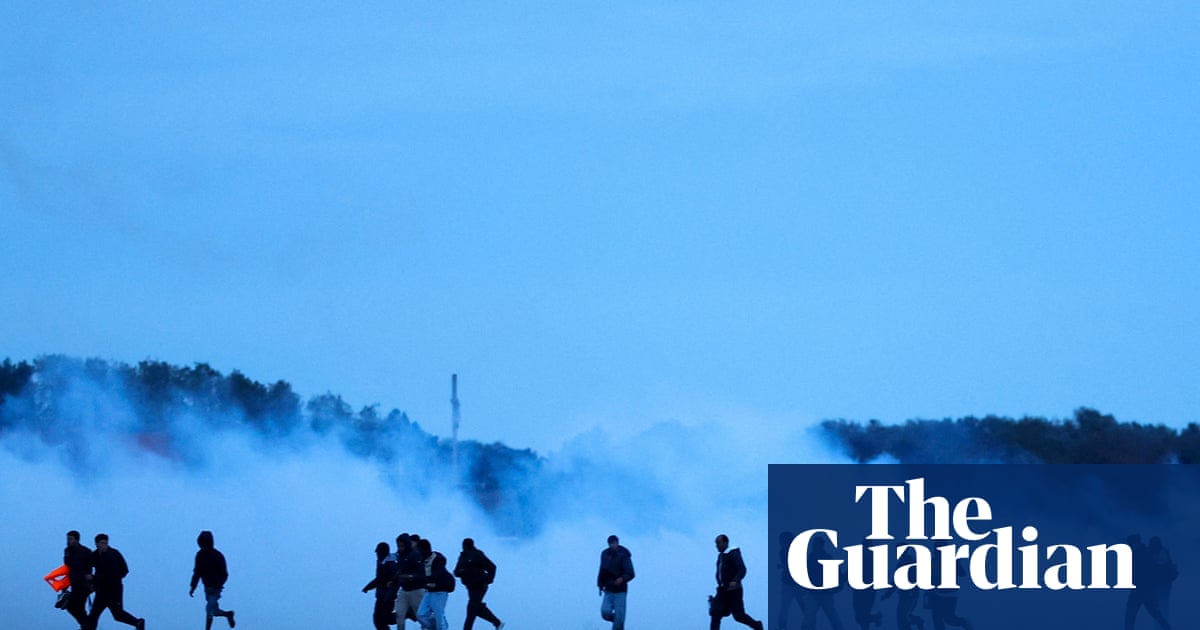
Human traffickers operating along the northern coast of France continue to exploit desperate asylum seekers, demonstrating sophisticated methods to launch small dinghies across the English Channel despite ongoing government efforts to stop the illicit trade. Observers and refugees in the region note that smugglers maintain multiple fallback plans, ensuring that departures continue whenever weather conditions allow.
This ongoing traffic persists against the backdrop of changing official policies. A recent experimental framework known as the one-in, one-out scheme, which involved approximately 1,500 total transfers between the UK and France, has officially concluded after officials determined it could not be effectively scaled up. The end of the arrangement has left non-governmental organizations calling for a broader evaluation of how authorities handle cross-channel migration.
In response to ongoing arrivals, the UK government has pointed toward broader resettlement pathways, though critics contend these limited initiatives will do little to stem the flow of small boats. Meanwhile, frontline aid workers in northern France report severe living conditions in makeshift camps. Organizations such as Utopia 56 have reported an increase in aggressive police interventions along the beaches, coinciding with heightened financial backing from the UK to bolster French enforcement operations.
Medical charities operating in Calais and Dunkirk warn that harsher enforcement measures are failing to deter migrants while causing substantial physical and psychological trauma. According to international migration monitors, hundreds of individuals have lost their lives attempting the maritime crossing since 2018.
In search of alternative solutions, labor unions and refugee charities have proposed introducing a controlled travel visa framework. Proponents argue that allowing individuals to travel legally for the purpose of making asylum claims would undermine the business models of criminal gangs while preserving standard security screening and removal procedures for unsuccessful applicants. While officials continue to prioritize border security and deterrence, humanitarian advocates maintain that sustainable progress will remain out of reach until accessible, legal avenues are established.