


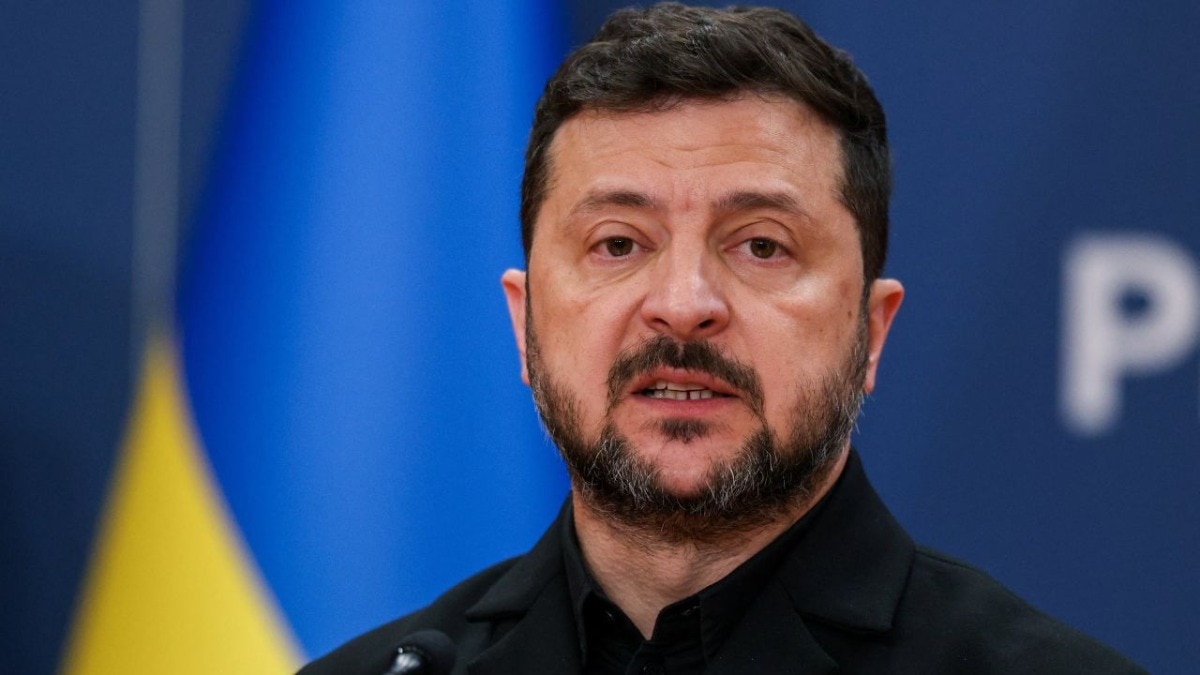
Ukraine is prepared to halt its attacks on Russian oil refineries on the condition that Moscow ceases its own strikes against Ukrainian energy infrastructure, according to President Volodymyr Zelenskyy. The position rejects a unilateral concession previously demanded by US President Donald Trump.
The diplomatic disagreement exposes a clash between Kyiv's urgent need for protection against ongoing Russian bombardments and Trump's political urgency to contain rising fuel prices in the United States ahead of upcoming midterm elections.
Trump criticized Ukrainian operations against Russian refineries for driving up American diesel costs, asserting that Zelenskyy needed to halt the campaigns immediately. The US leader also suggested that Ukraine should consider replacing its president, accusing him of missing previous opportunities to negotiate a deal with Moscow.
Zelenskyy reiterated Kyiv's consistent stance that any suspension of refinery strikes must be met with a corresponding end to Russian assaults on Ukrainian power facilities, accompanied by reliable security guarantees. Although not directly addressing Trump's remarks about leadership changes, the Ukrainian leader emphasized that Moscow bears sole responsibility for the war and noted that Russian President Vladimir Putin has shown no willingness to stop targeting energy infrastructure.
The friction is further complicated by a recent diesel supply agreement announced by Trump between the United States and Russia. Zelenskyy criticized the arrangement, arguing that it would embolden Moscow's military aggression. Global diesel prices have climbed significantly following the outbreak of the war in Iran in February, creating domestic political challenges for Republicans facing legislative elections.
Energy analysts have questioned whether the announced supply volumes from Russia will be sufficient to meaningfully lower fuel prices, noting they fall well short of historical export levels when Russian refineries operated without disruption. The arrangement has also encountered pushback from domestic US politicians, including Republican Representative Don Bacon, who advocated for enacting harsher sanctions against Moscow rather than relaxing them.
For Kyiv, agreeing to a unilateral pause on refinery strikes risks removing a key point of leverage against Moscow while leaving domestic energy networks vulnerable to continued attacks.
In light of the widening gap with Washington, Ukraine is intensifying its outreach to European partners to secure enhanced defense assistance and maintain economic pressure on Russia. Zelenskyy announced ongoing discussions with European leaders regarding daily air defense packages, including crucial ammunition for intercepting Russian jet-powered drones.
These diplomatic efforts coincide with broader European military expansion, with European Defence Agency data showing that EU defense spending reached 418 billion euros in 2025, marking a 20 percent increase from the previous year. Meanwhile, Ukrainian Foreign Minister Andrii Sybiha is scheduled to participate in an EU Foreign Affairs Council meeting to advocate for stricter sanctions and advance accession negotiations as Kyiv seeks solid commitments from European allies.