


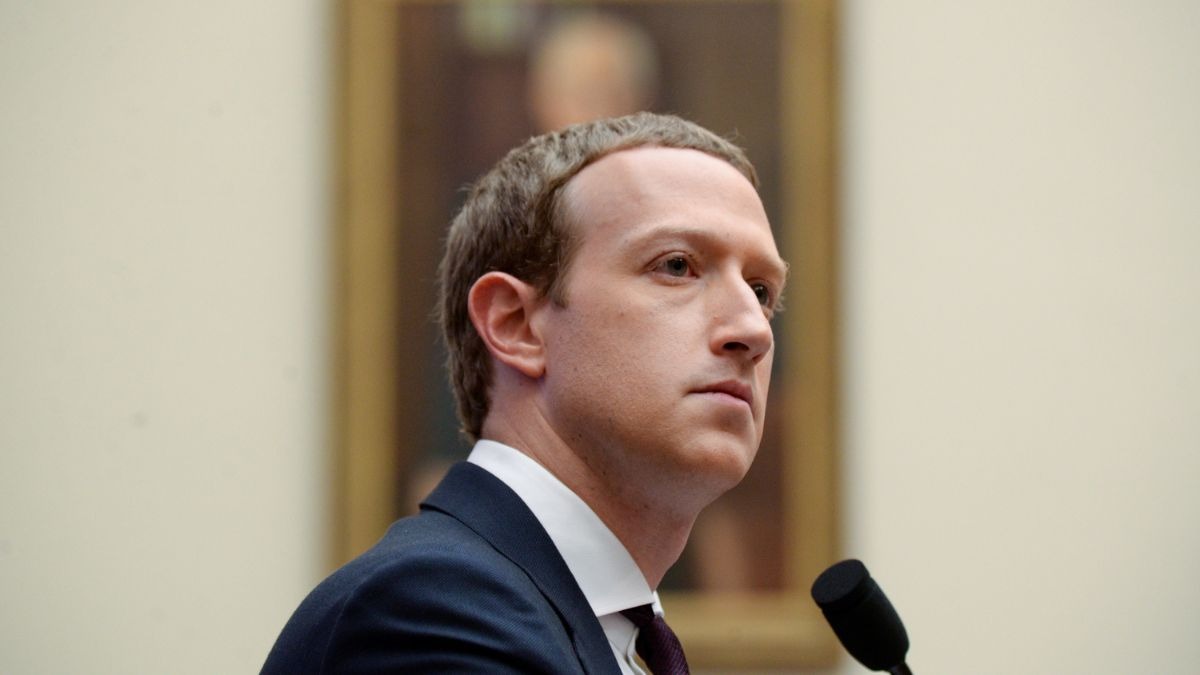
A video featuring Meta CEO Mark Zuckerberg drinking beer during a podcast appearance has circulated widely online, sparking internet trolls to mock his facial expressions and label his appearance performative. Social media users questioned why he appeared so awkward while taking a sip during the interview, turning his reactions into a wave of memes and jokes. Addressing one user who criticized the moment on X, Zuckerberg lightly brushed off the banter by responding that his expressions are simply how his face looks.
The clip originated from Zuckerberg's guest appearance on the Cheeky Pint podcast, where he was joined by Meta chief AI officer Alexandr Wang and Stripe co-founder John Collison. In the widely shared footage, Zuckerberg holds a pint of Guinness and sips from it while Wang is speaking. Although the internet focused heavily on the beer clip, the interview itself primarily centered on Meta's ambitious artificial intelligence strategies and the substantial risks involved in developing next-generation models.
During the conversation, Zuckerberg disclosed that he was willing to allocate between $100 billion and $200 billion toward AI before knowing for certain whether the technology would succeed. Reflecting on a discussion with Wang near the end of 2025, Zuckerberg noted he had questioned whether the approach was guaranteed to work, to which Wang acknowledged the outcome was uncertain at the time and based on a provisional progress report rather than definitive proof of success.
Meta chief financial officer Susan Li was reportedly fully aware of the heavy financial stakes involved in the venture. Wang remembered that Li consistently cautioned that a failure would carry severe financial consequences, underscoring the absolute necessity for the model to succeed.
Zuckerberg defended the massive expenditure by arguing that the gamble was not as reckless as outsiders might assume. He explained that Meta aimed to create a personal artificial intelligence agent tailored for everyday consumers, moving past the standard text assistants and coding helpers provided by industry competitors. He emphasized that no other company had yet built that specific consumer-focused version, convincing him that it was the right direction for Meta to pursue.