


The UK’s cost of living squeeze means fewer people plan to ringfence money for a holiday abroad next year, the travel industry warned on Tuesday. Despite war, wildfires and new border checks, the numbers of Britons taking holidays climbed back to pre-pandemic levels this year, but rising costs may mean the numbers have peaked, according to an annual travel industry report.
Numbers taking holidays both at home and abroad continued to rise, although late bookings and shorter city breaks have been an increasing feature of getaways through the year. Confidence in travel dropped slightly year on year but rebounded as fears over jet fuel shortages and flight disruption faded, according to research from the industry body Abta.
Overall, 88% of Britons took a holiday this year, matching the 2019 pre-pandemic peak, with a new high of 74% taking breaks in the UK and 62% heading abroad. However, Abta’s report found that almost one in three people were planning to spend less on travelling abroad next year, suggesting that the annual holiday is no longer sacrosanct. Fewer people now say they are willing to reduce spending on phones or other gadgets than on an overseas trip.
Abta said the holiday business remained resilient, despite a dip in its travel confidence index to plus 50, which measures the net proportion of people who felt secure in going abroad compared with those who were worried. The organization noted that the score had rebounded since disruption from Middle East conflicts, fears about fuel availability, and concerns regarding the European Union's entry and exit system.
Abta chief executive Mark Tanzer said it had been a tough year for the travel industry. He added that demand had held up well despite a range of challenges, and that willingness to prioritise spending on travel over other discretionary items looked set to continue.
Speaking at the annual Abta travel convention in Madeira, Tanzer noted that it had been a stop-start year, but the market recovered during the summer. He explained that people switched their holiday plans and booked later, waiting and seeing, perhaps hoping for better deals while also managing uncertainty.
He stated that the industry would continue lobbying ministers hard to reduce aviation taxes and increase assistance for the transition to sustainable aviation fuels in order to cut costs and support a sector contributing billions to the UK economy. Tanzer acknowledged that tourism investment continues, but admitted that recent pressures are unlikely to disappear over the next 18 months.
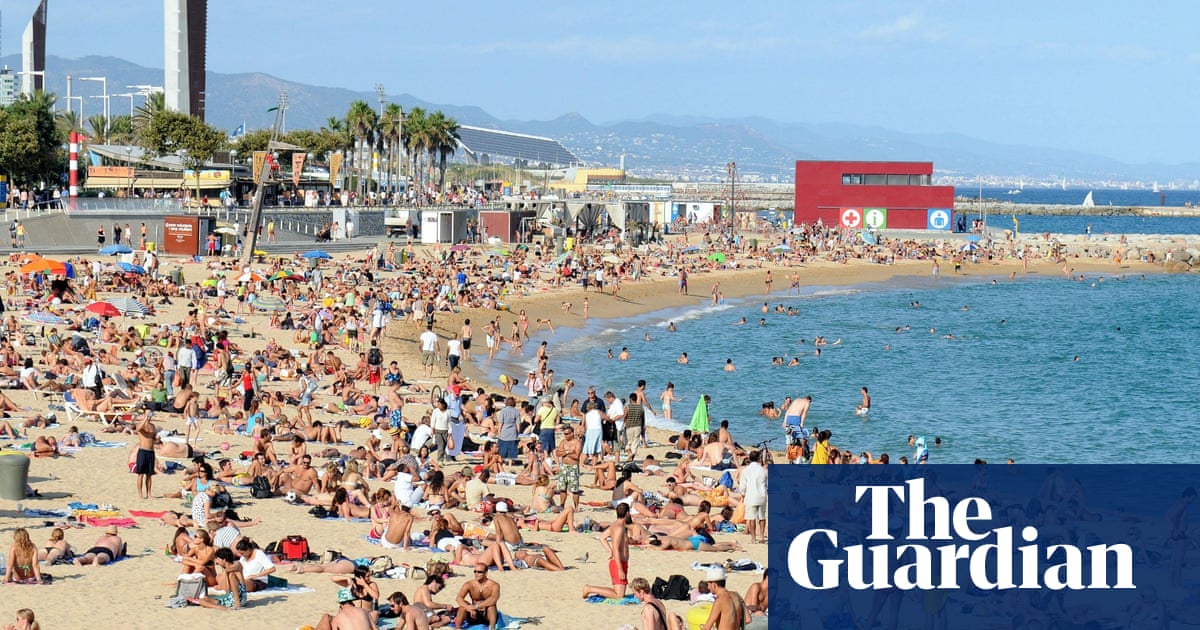
Spain further increased its dominance of the British outbound market during the period. The proportion of respondents who stated they visited Spain rose by four percentage points to 36%, while Portugal climbed to sixth place in holiday popularity. When polling participants about travel intentions for next year, only 26% indicated plans to visit Spain, with destinations such as Japan and Norway appearing in the top ten, though past surveys show British travelers frequently return to Spain regardless of more exotic ambitions.