


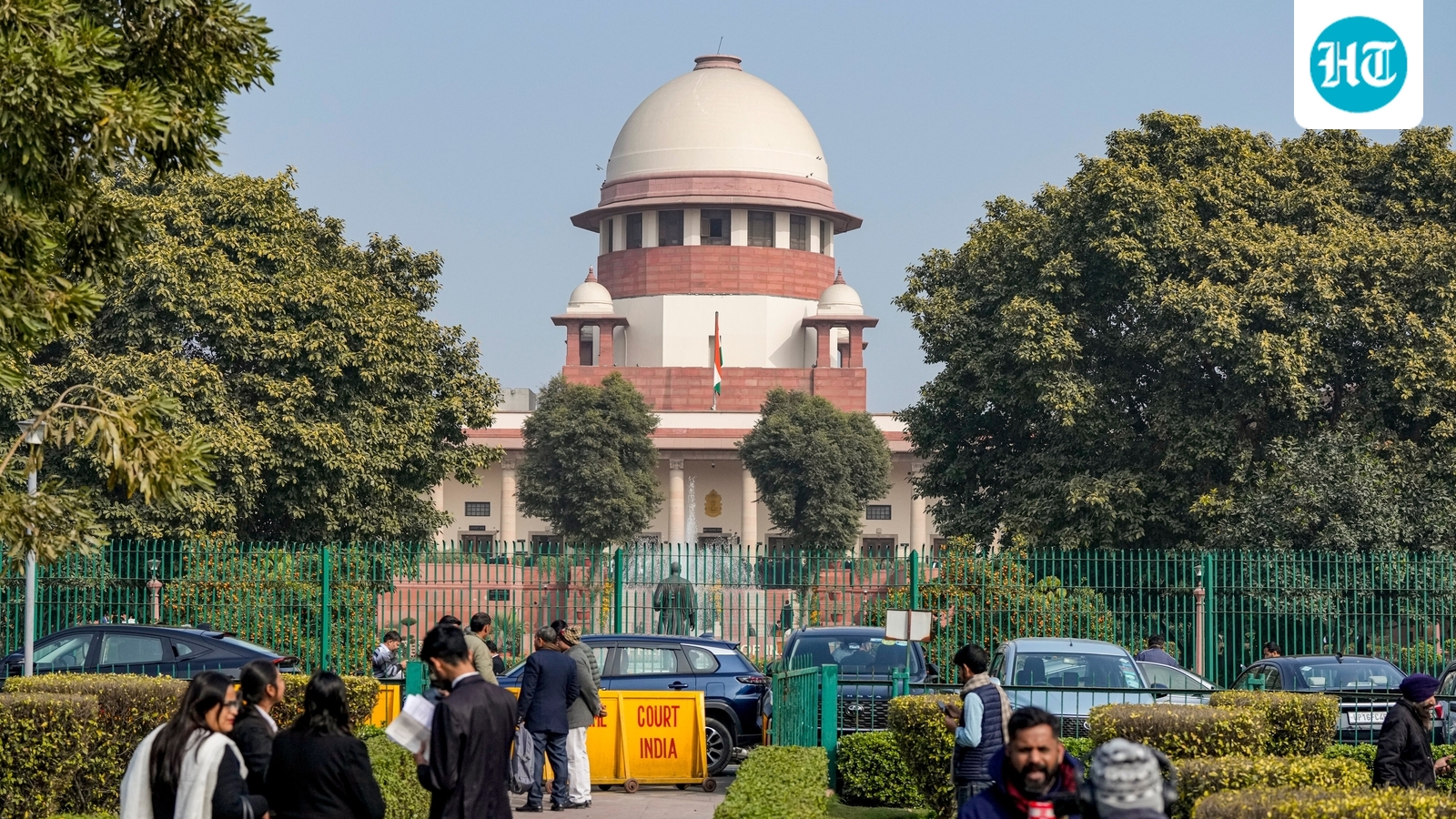
The Supreme Court-appointed National Task Force on student mental health and suicide prevention in higher education institutes is weighing specific safeguards for those from marginalised communities and those with disabilities, alongside broader support measures. The 18-member body, which submitted its interim report to the top court in November 2025 and made it public in June 2026, is currently writing its final report and aims to submit it by the original October 31 deadline.
In the final report, the recommendations will include general measures for student well-being as well as specific safeguards for students hailing from marginalised communities of Scheduled Castes, Scheduled Tribes, Other Backward Classes, minorities, and students with disabilities, as they are more vulnerable to facing discrimination on campuses. The task force has consulted students and faculty from different backgrounds and communities while analysing survey responses covering caste, religion, disability, and gender.
The interim report previously flagged widespread discrimination, weak grievance redressal mechanisms, academic pressure, and severe gaps in mental health support across higher education institutions. A substantial section focused on caste-based discrimination as a key lens for understanding the social dimensions of student suicides in contemporary India, with the panel aiming to examine the combination of circumstances that can lead to prolonged distress rather than looking for a single trigger.
Regarding the accountability of institutions in student suicide cases, members indicated that responsibility should extend beyond cases involving a fatality to encompass the support provided to students experiencing economic difficulties, discrimination, academic stress, family expectations, and treatable mental health conditions. The drafting of the final report comes amid renewed scrutiny following recent student deaths at prominent institutions, though the task force has not investigated those specific circumstances.
The interim findings had highlighted significant gaps in campus mental health services, noting that out of 2,119 responding higher education institutions, 65 percent reported no access to mental health service providers, while 73 percent lacked a full-time professional. While existing directives mandate counsellors, nationwide implementation faces recruitment and financial hurdles across tens of thousands of institutions.
The task force itself will not monitor the implementation of its final recommendations, leaving compliance to the Supreme Court and relevant government agencies. Meanwhile, the Union education ministry has directed universities and higher education institutions to immediately report every student suicide or unnatural death to the police and comply with judicial directives on preventing student suicides and addressing mental health concerns. The Supreme Court established the panel in March 2025 following proceedings concerning student deaths at IIT Delhi.