


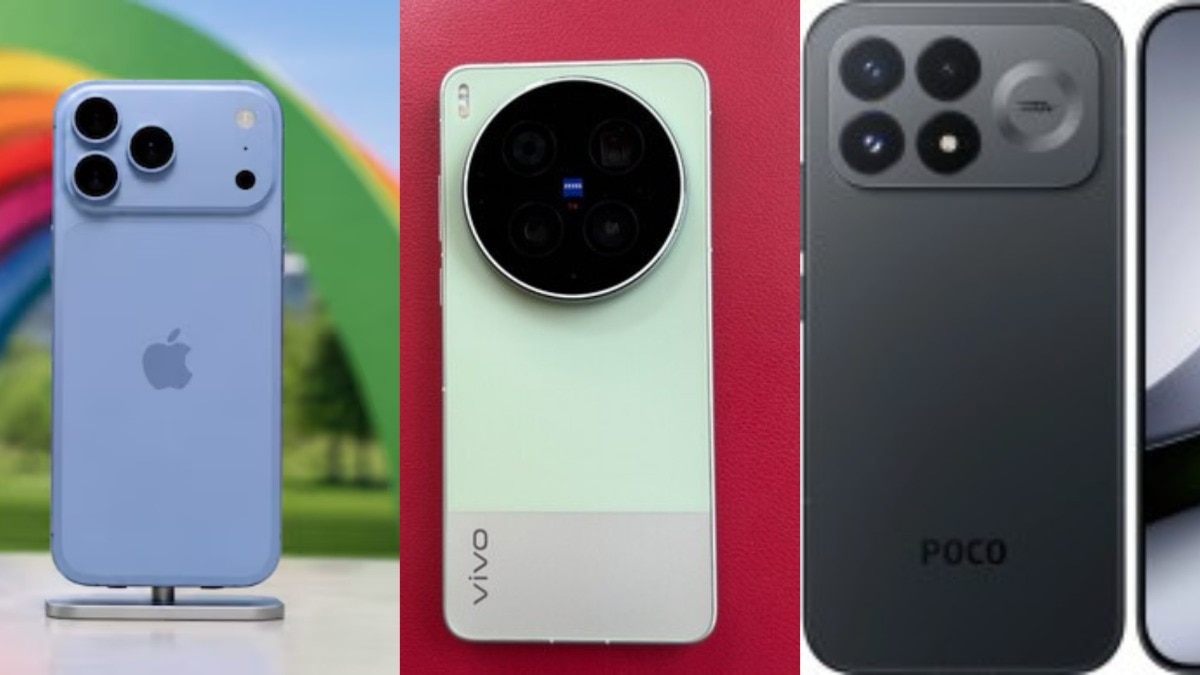
Consumers looking to purchase a new smartphone have likely noticed creeping price increases across various categories. The global smartphone market experienced its worst third-quarter slump in 14 years, driven by a severe shortage of memory chips that has made devices significantly more expensive to manufacture and buy.
Preliminary estimates from a Counterpoint Research report indicate that global smartphone shipments fell by 20% year-on-year during the third quarter spanning July to September 2026. This represents the lowest third-quarter shipment volume recorded by the technology industry since 2012.
The primary driver behind the market downturn is an ongoing crisis involving DRAM and NAND flash storage components. The rapid expansion of artificial intelligence infrastructure and data centers has consumed a substantial portion of the global memory chip supply, leaving fewer affordable components available for standard consumer electronics.
This squeeze on memory components has sharply elevated the bill of materials for manufacturing mobile devices. Rather than absorbing the financial impact, smartphone brands have passed the increased production costs onto consumers, lifting retail prices globally while prioritizing profit margins over sheer shipment volume.
Shilpi Jain, a Senior Analyst at Counterpoint Research, noted that the third quarter of 2026 marked the second consecutive period impacted by the memory shortage. Consumers are responding by retaining their devices longer, turning to refurbished alternatives, and leaning toward higher-value purchases, forcing manufacturers to adjust their strategies to safeguard profitability.
Despite the overall contraction in shipments, market leaders Samsung and Apple managed to expand their respective market shares compared to the same period in 2025. Samsung retained its position as the world's leading smartphone manufacturer with a 23% global market share in the third quarter, supported by demand for its Galaxy Z Fold8 series and stable mid-range component supplies, though its total shipments dipped 3% year-on-year.
Apple secured the second position with a 22% market share, marking the first time the company crossed the 20% threshold during a third quarter. Despite the market share milestone, Apple's absolute shipment numbers declined due to the absence of a standard base iPhone 18 model release during the period.
Meanwhile, Chinese manufacturers heavily reliant on high-volume budget and mid-range devices suffered the steepest declines. Xiaomi maintained the third global spot but saw its market share slip to 10% following a year-on-year shipment drop exceeding 30%, prompting the company to scale back low-cost device production and withdraw from select overseas markets. Oppo and Vivo similarly experienced shipment declines exceeding 20% for the quarter.
Looking ahead, Counterpoint Research warns that market conditions will likely remain difficult through the remainder of 2026. Production reductions, streamlined product portfolios, and an emphasis on premium hardware are expected to persist until the memory chip supply chain stabilizes.