


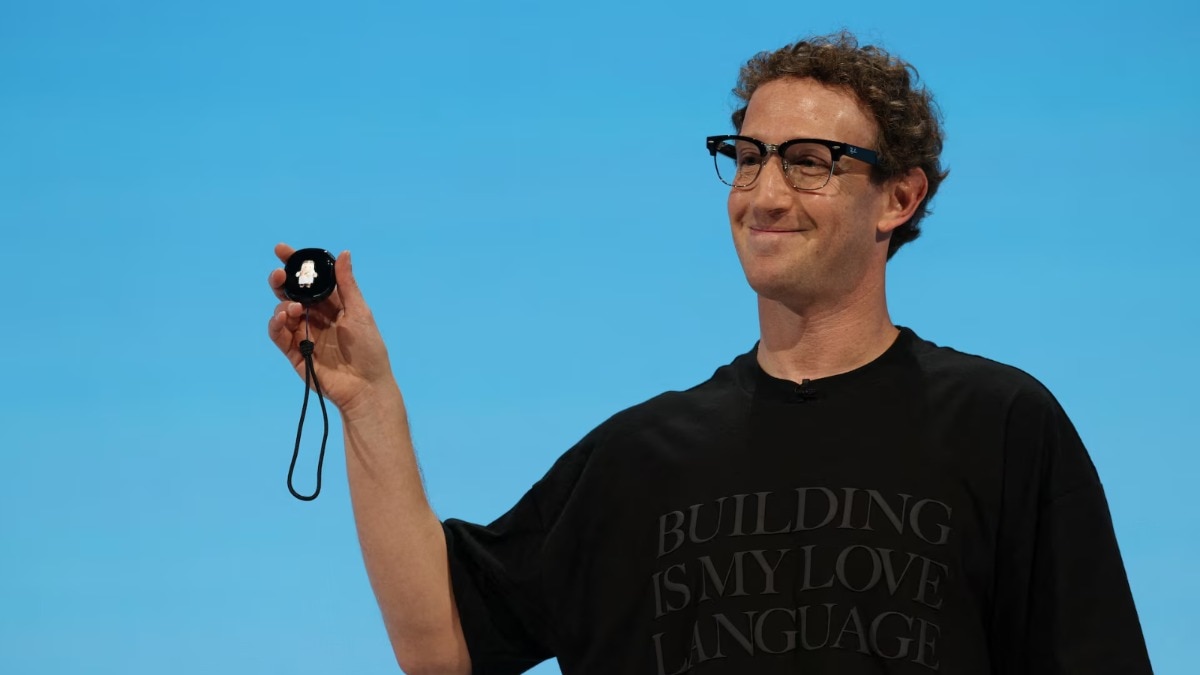
In the latter half of September 2026, Meta introduced its prominent new line of AI models named Muse, following substantial financial investments and mounting scrutiny regarding its technology strategy. Meta Chief Executive Officer Mark Zuckerberg acknowledged that he was prepared to allocate as much as $200 billion toward artificial intelligence even before verifying that the emerging models would function properly.
During an appearance on the Cheeky Pint podcast hosted by Stripe co-founder John Collison, alongside Meta chief AI officer Alexandr Wang, Zuckerberg reflected on the high-stakes gamble. He recalled questioning Wang about the immense financial commitments made prior to seeing the results of the development phase, wondering aloud whether they were certain the initiative would succeed.
The discussion highlighted a period near the end of 2025 when Meta drew confidence from early research progress despite lacking guarantees of technological triumph. Wang noted that he could only provide a preliminary assessment and basic charts tracking research progress at the time, admitting that success was far from certain despite his optimism.
Wang also described the immense pressure surrounding the capital allocations, recalling warnings from Meta Chief Financial Officer Susan Li during a leadership retreat in Hawaii. Li reportedly cautioned him repeatedly that a failure of the AI initiative would carry severe financial repercussions for the organization, emphasizing the absolute necessity of delivering a successful product.
Zuckerberg emphasized that Meta's aggressive infrastructure expansion was driven by a vision to deliver a novel consumer-facing AI product rather than merely accumulating computing power. Even without knowing the exact consumer demand or whether the product timelines would align, the company built out the required inference compute to support consumer-focused AI agents.
Reflecting on the rapid evolution of artificial intelligence from basic text assistants to advanced coding tools, Zuckerberg identified a gap in the market for a tailored consumer AI agent. Believing that no other entity had yet delivered a personal consumer-oriented version, Zuckerberg concluded that building such an innovation was a critical objective for Meta.